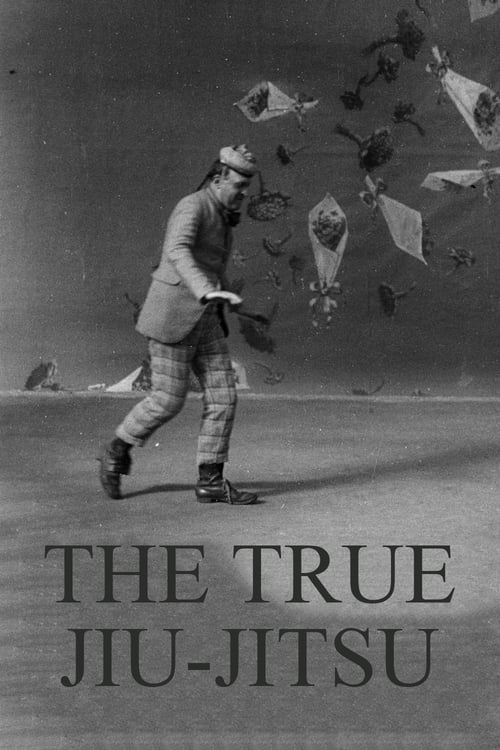
Dranem Performs The True Jiu-Jitsu
1905
No user ratings available yet
Representation score: 2.7 out of 10
Representation Score
Minimal
1905
Director
Alice Guy-Blaché
Runtime
2 minutes
Average Rating
No ratings yetNew Showbiz Analysis
This early phonoscene is a specialized musical recording that lacks narrative complexity. Its diversity is limited by its nature as a brief celebrity performance within a specific cultural moment. While the content adheres to the social norms of 1905 France, the film holds historical significance due to the directorial involvement of Alice Guy-Blaché, who challenges the male-dominated film industry of the era.
Category Breakdown
The film includes a brief musical scene featuring a male performer. There are no representations of LGBTQ+ identities or narratives.
The film centers on masculine humor typical of the Belle Époque era. However, the directorial involvement of Alice Guy-Blaché offers a significant counterpoint to the male-dominated industry of the time.
The cast is uniform, reflecting the social norms of 1905 France. The film lacks diversity in race and ethnicity, focusing instead on a localized cultural context.
The film celebrates established celebrities and traditional entertainment within the cultural norms of the time. It does not address diverse religious or secular perspectives.
There are no characters depicted with visible or invisible disabilities in this musical recording.
Present on Screen
Limited or Absent
Official Synopsis
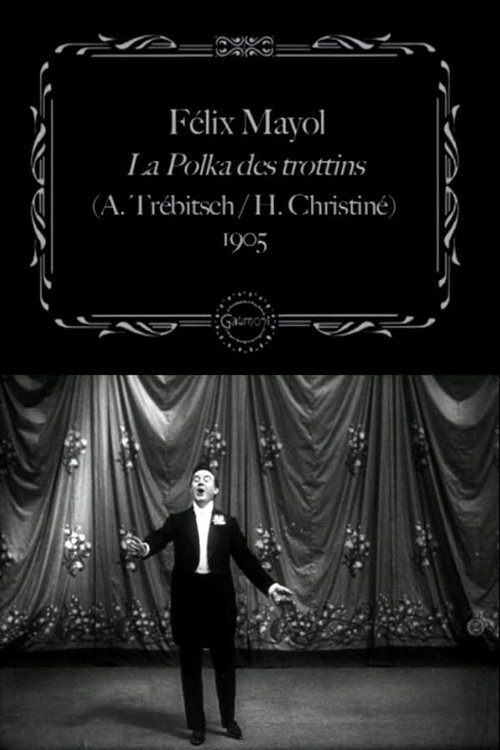
Félix Mayol performs The Trottins Polka (La Polka des Trottins, by A. Trebitsch and H. Christine) in this phonoscene by Alice Guy. This early form of music video was created using a chronophone recording of Mayol, who was then filmed "lip singing". Guy would film phonoscenes of all three major Belle Époque celebrities in France: Polin, Félix Mayol, and Dranem.
1905
1905
1905
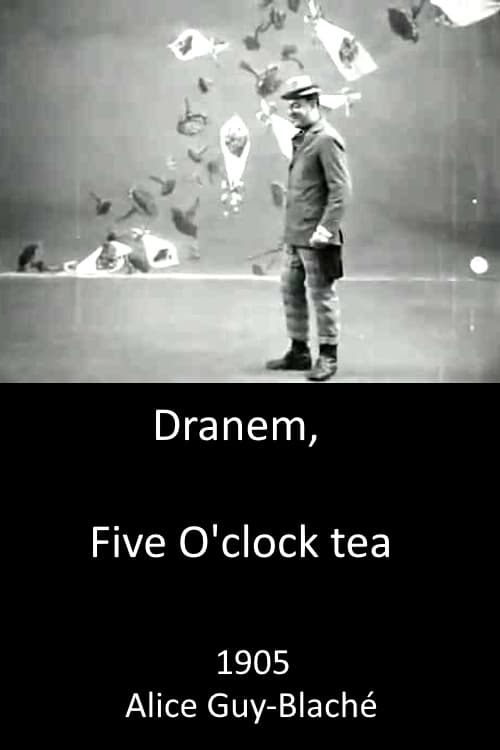
1906
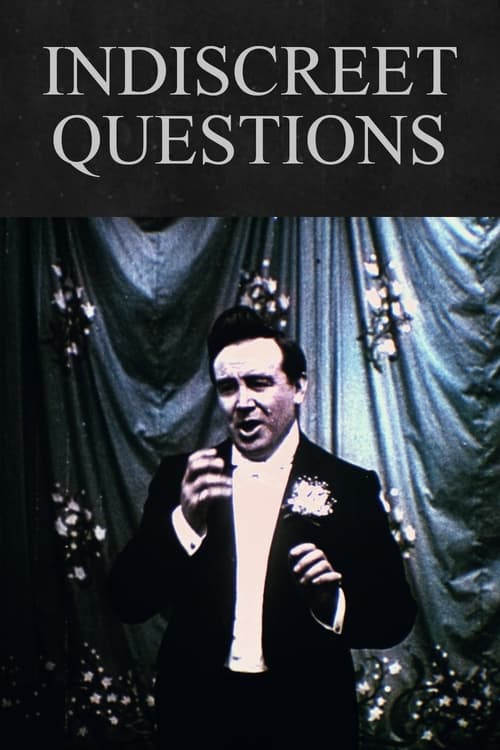
1905
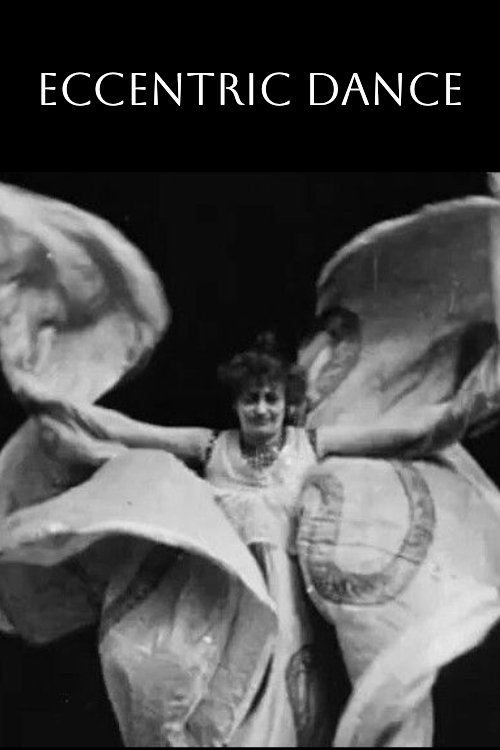
1902
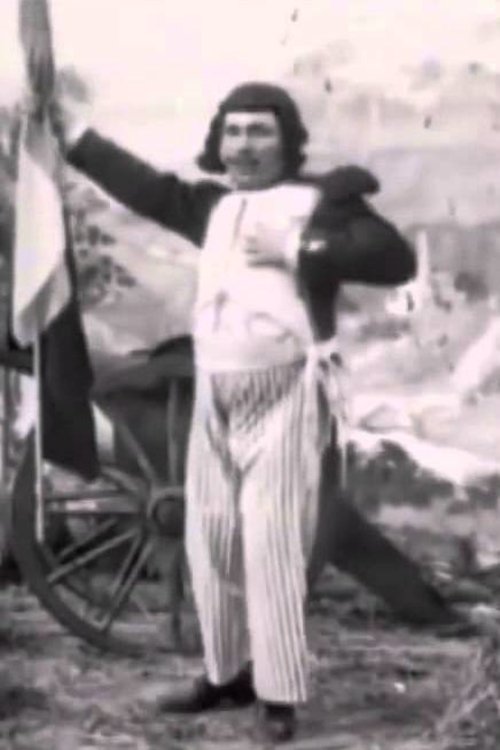
1907
1936
No reviews yet. Be the first to share your thoughts on this movie!
Use the rating form above to leave a star rating and optional review.