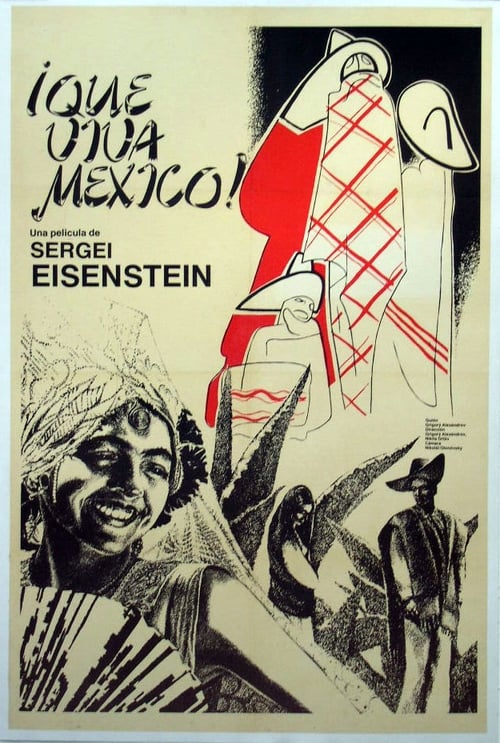
Hurray Mexico!
1932
No user ratings available yet
Representation score: 4.4 out of 10
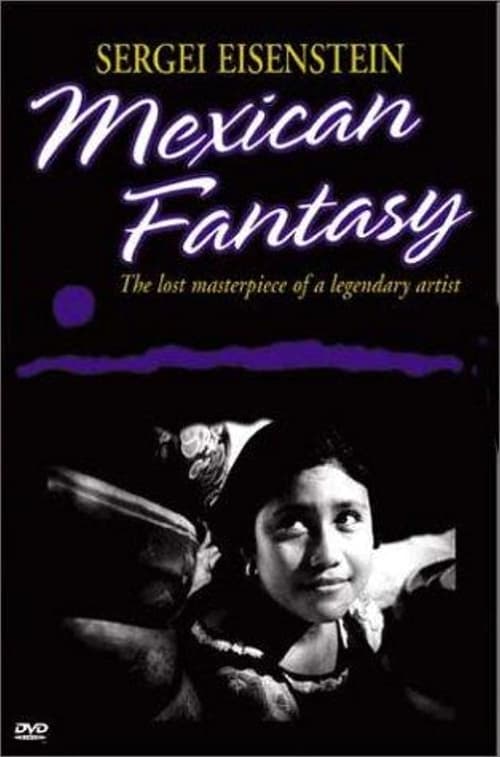
Representation Score
Good
1998
Director
Sergei Eisenstein, Oleg Kovalov
Runtime
99 minutes
Average Rating
No ratings yetNew Showbiz Analysis
This documentary reconstruction succeeds by disrupting the Eurocentric perspective through its focus on Mexican indigenous and mestizo life. The archival material provides a powerful platform for racial and cultural ability to act, moving beyond Western-centric cinematic traditions. However, the film's impact is limited by its nature as a historical compilation. It lacks the contemporary narrative depth needed to explore complex LGBTQ+ identities or to actively challenge traditional gender hierarchies. Ultimately, the work is a profound celebration of non-Western culture, even if it remains a historical observation rather than a modern social critique.
Category Breakdown
The archival footage focuses on landscapes and cultural rituals without highlighting specific LGBTQ+ identities. It does not include explicit depictions of same-sex relationships or non-binary gender stories.
Women are shown in various social and labor roles, contributing significantly to the cultural landscape. However, the film does not provide a narrative arc that challenges traditional gender roles.
The film excels by focusing on indigenous and mestizo populations. Eisenstein's montage techniques highlight these communities as central, vibrant figures in a complex civilization.
The documentary emphasizes anti-colonial perspectives and celebrates non-Western identity. It highlights the connection between the Mexican people and their land through a collective, historical lens.
There is no significant evidence regarding the portrayal of visible or invisible disabilities within the archival footage.
Present on Screen
Limited or Absent
Official Synopsis
Eisenstein shot 50 hours of footage on location in Mexico in 1931 and 32 for what would have become ¡Que viva México!, but was not able to finish the film. Following two wildly different reconstruction attempts in 1939 (Marie Seton's 'Time in the Sun') and 1979 (Grigori Alexandrov's '¡Que viva México!') Kovalov has here compiled another hypothetical version of what Eisenstein's film might have been.
1932

1929

1934
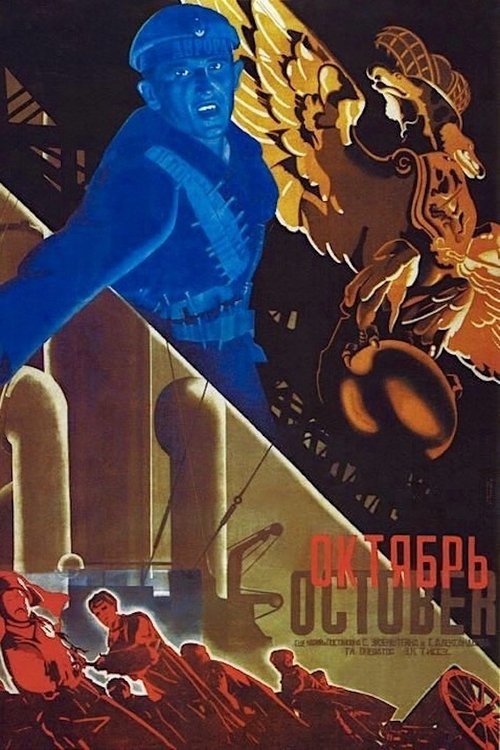
1928
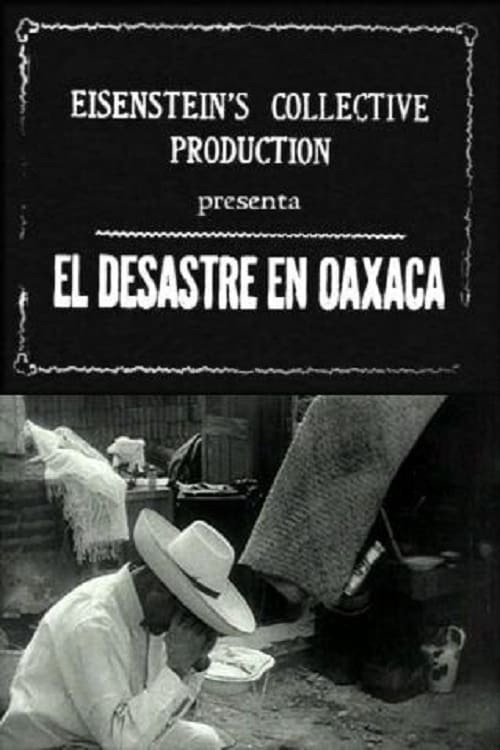
1931

1997
2008
1922
No reviews yet. Be the first to share your thoughts on this movie!
Use the rating form above to leave a star rating and optional review.