
Echoes from a Sombre Empire
1990
No user ratings available yet
Diversity score: 5.8 out of 10
1971
Director
Robert Amram
Runtime
18 minutes
Average Rating
No ratings yetSynopsis
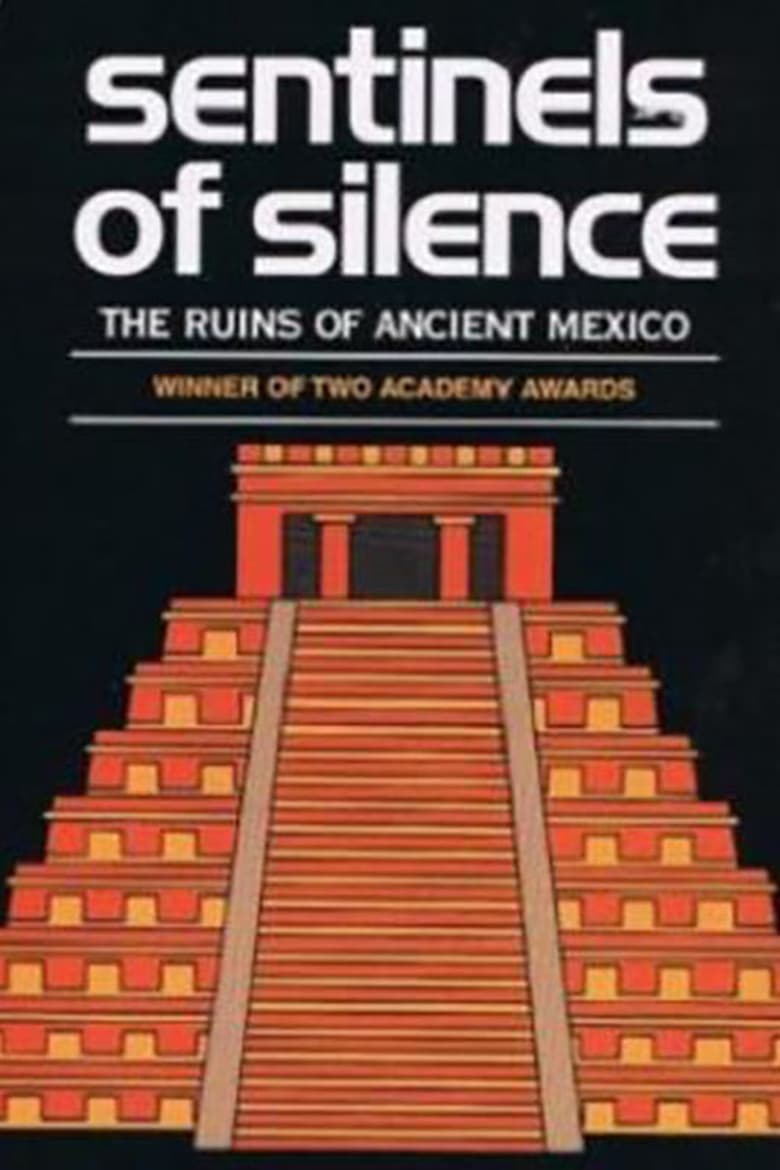
Sentinels of Silence is a 1971 short documentary film on ancient Mexican civilizations. The film was directed and written by Mexican filmmaker Robert Amram, and is notable for being the first and only short film to win two Academy Awards.
Overall Score
Fair
Category Breakdown
LGBTQ+ Representation
The documentary focuses on ancient Mexican civilizations rather than character-driven narratives. Consequently, there are no depictions of LGBTQ+ identities or queer-coded subtext.
Gender Representation
The film functions as an observational study of antiquity. It maintains a neutral stance, though it lacks the agency-driven character arcs necessary for higher representation.
Racial & Ethnic Diversity
The film centers the achievements of indigenous Mexican civilizations. This elevates non-Western history and disrupts the Eurocentric cinematic norms prevalent during the early 1970s.
Religious & Cultural Diversity
By prioritizing the sophistication of pre-colonial societies, the film challenges Western-centric historical perspectives. It presents a non-Western framework of intellectual achievement and historical importance.
Disability Representation
The documentary format provides no evidence of depictions regarding physical or neurodivergent identities.
Strengths
Areas for Improvement
AI Analysis
Sentinels of Silence serves as a vital tool for historical reclamation. Its primary strength lies in shifting the cinematic gaze away from Western hegemony toward the profound legacies of indigenous Mexican cultures. By centering these civilizations, the film disrupts typical ethnographic tropes of its era. However, the documentary's format limits its ability to address interpersonal diversity. Because the subject matter is archaeological and historical, it lacks the character dynamics required to explore gender or LGBTQ+ identities effectively. Ultimately, the film's impact is found in its cultural agency. It successfully communicates complex, non-Western histories to a global audience, earning significant international recognition for its portrayal of ancient heritage.
1990

2012

1986
2021

2019

1968

1959
2019

2005
2003

2016

1969
No reviews yet. Be the first to share your thoughts on this movie!
Use the rating form above to leave a star rating and optional review.