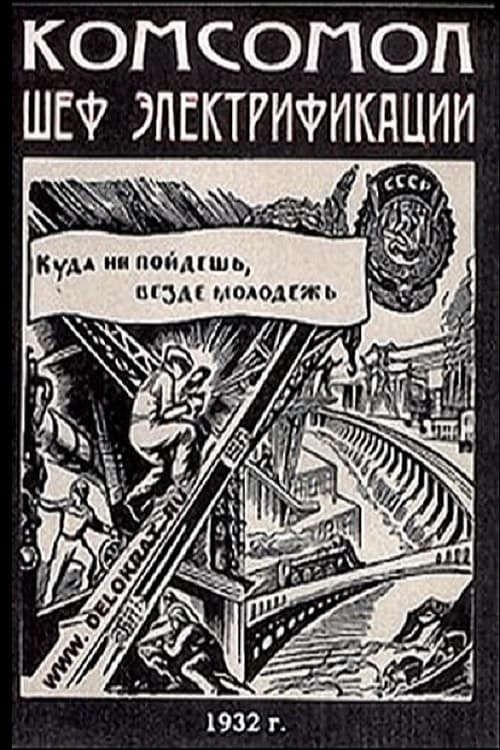
The Komsomol - Chief of Electrification
1932
No user ratings available yet
Representation score: 4.8 out of 10
Representation Score
Good
1929
Director
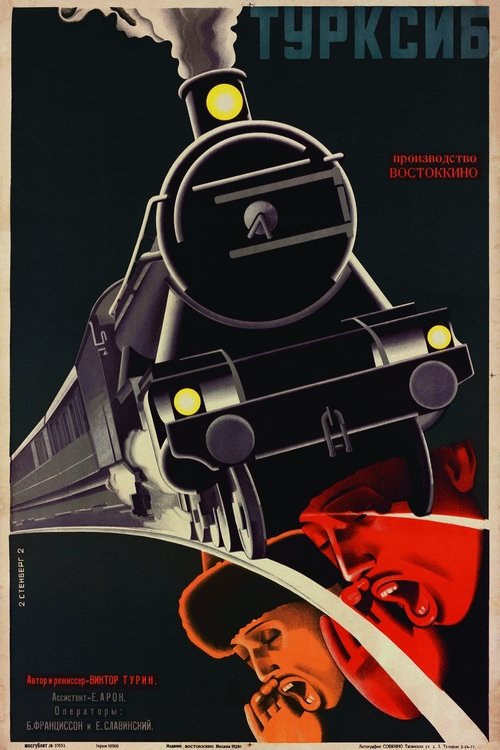
Victor Turin
Runtime
78 minutes
Average Rating
No ratings yetNew Showbiz Analysis
The Steel Road stands out in its portrayal of a multi-ethnic, non-Western collective identity, shifting away from individual heroism towards a systemic, socio-political movement. By showcasing the Turkestan region, it presents a richly diverse ethnic landscape that challenges Western-centric cinematic norms. However, the film's diversity is uneven. It does not include LGBTQ+ identities or individuals with disabilities, focusing instead on a narrow view of the 'heroic' worker. While women are depicted as active participants in the industrial process, the narrative remains centered on masculine industrial themes.
Category Breakdown
The film does not include any LGBTQ+ characters or stories. The focus is entirely on industrial labor and infrastructure rather than personal relationships.
Women are shown working in industrial jobs, avoiding typical domestic roles. However, the story centers on masculine industrial themes without challenging traditional gender roles.
The documentary highlights a multi-ethnic workforce in the Turkestan region, using the diverse geography to represent a unified, non-Western industrial movement.
The film emphasizes industrial progress over religious traditions, celebrating the communal worker and the triumph of a new social order over nature.
Characters with disabilities are not featured in the narrative. The story focuses solely on able-bodied workers overcoming environmental challenges.
Present on Screen
Limited or Absent
Official Synopsis
Bold and exhilarating documentary account of the building of the Turkestan-Siberian railway, presented as a heroic triumph of Soviet progress over natural adversity.
1932

1927

1932

1929
1931
1922
1953
1924
No reviews yet. Be the first to share your thoughts on this movie!
Use the rating form above to leave a star rating and optional review.