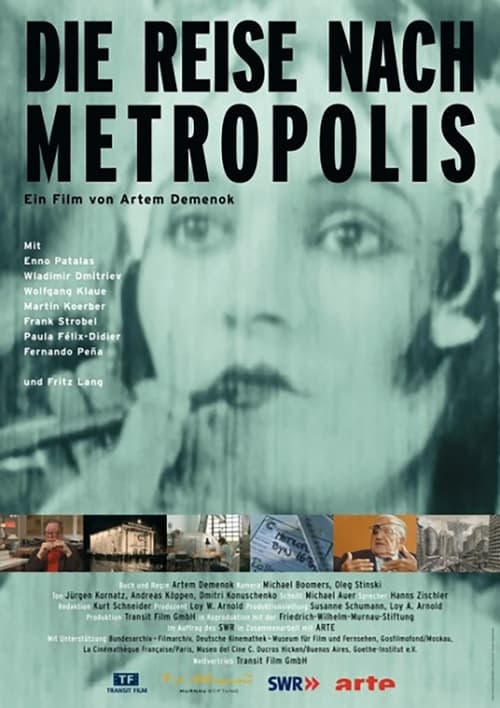
Voyage to 'Metropolis'
2010
No user ratings available yet
Representation score: 0.0 out of 10
Representation Score
Fair
2010
Director
Evangelina Loguercio, Sebastián Yablón, Diego Panich, Laura Tusi
Runtime
47 minutes
Average Rating
No ratings yetNew Showbiz Analysis
Metropolis Refound successfully shifts the cultural focus by placing Argentinian experts at the forefront of a major European film restoration project. This decentralizes the traditional authority of Western art history, giving the Global South more prominence. Although the film does not feature explicit identity-based character arcs or diverse social representation, its structure promotes a collaborative view of global history. It moves beyond nationalistic interests to treat film preservation as a universal human endeavor. Ultimately, the documentary serves as a sophisticated examination of institutional frameworks. It replaces individual character studies with a broader, more inclusive look at how international expertise preserves shared human heritage.
Category Breakdown
The documentary does not focus on LGBTQ+ characters or stories. There are no explicit depictions of non-straight identities or queer themes.
The film highlights female perspectives through its directorial roles, suggesting a shift away from male-dominated archival spaces. However, the gender balance among the interviewed historians is not specified.
The narrative challenges Eurocentric hierarchies by centering Argentinian historians as key figures. This shifts intellectual authority from Europe to the Global South, altering traditional cultural dynamics.
The film emphasizes a global, collaborative approach to cultural heritage. It treats cinema as a subject of scientific and historical investigation rather than a means for religious instruction.
There is no portrayal of characters or subjects through the lens of disability. No instances of neurodivergence or physical disabilities are shown.
Present on Screen
Limited or Absent
Official Synopsis
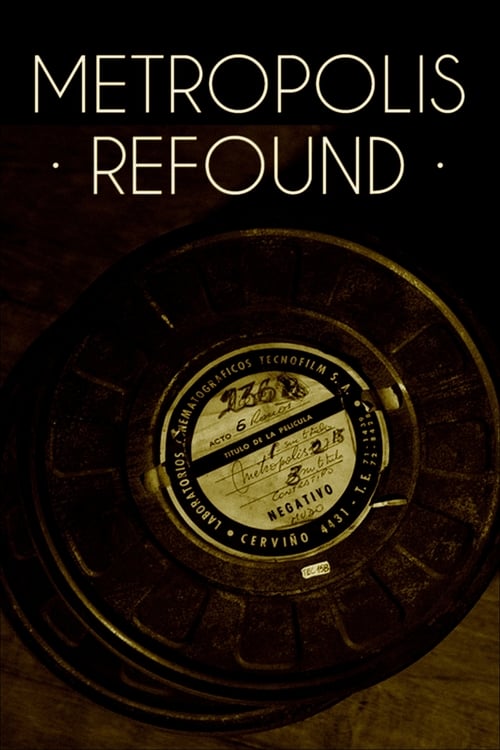
Argentinian film historians find a complete print of Fritz Lang's “Metropolis” (1927) at Buenos Aires Film Museum and take it to Germany for its restoration.
2010

2003
2011
1989

2021
2004
2007

2002
No reviews yet. Be the first to share your thoughts on this movie!
Use the rating form above to leave a star rating and optional review.