Études sur Paris
1928
No user ratings available yet
Representation score: 3.8 out of 10
Representation Score
Fair
1929
Director
Eugène Deslaw
Runtime
17 minutes
Average Rating
No ratings yetNew Showbiz Analysis
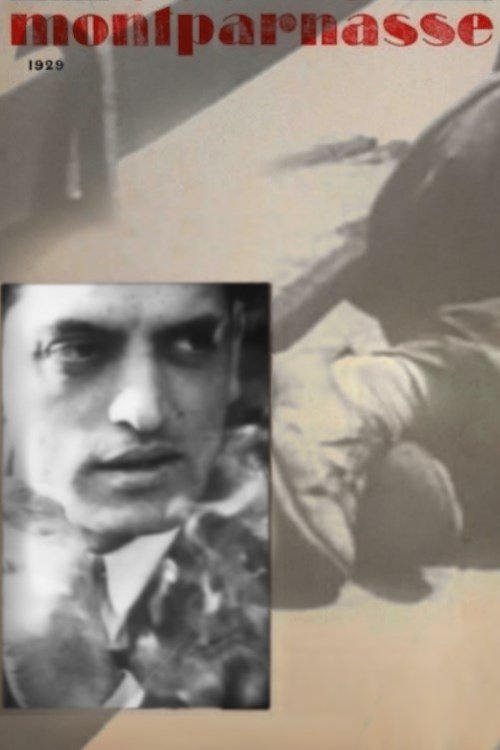
Montparnasse functions as a visual record of a specific cultural environment rather than a character-driven story. It successfully captures the internationalism and intellectual rebellion of the 1920s Parisian art scene. While the film excels in depicting a cosmopolitan and secular setting, it remains confined by the social norms of its time. Women are primarily portrayed as aesthetic objects rather than active participants. Overall, the film stands as a significant historical document of avant-garde life. It focuses on atmosphere and cultural exchange rather than modern ideas of diverse character development.
Category Breakdown
The film doesn't show clear examples of LGBTQ identities or relationships. However, it portrays a social environment where traditional heterosexual norms were often questioned, especially through the actions of figures like Luis Buñuel.
Women are mainly shown as objects of beauty rather than active participants. The film reflects the era's traditional gender roles, particularly through the male gaze when Buñuel looks at passing women in Paris.
The documentary highlights a diverse European cultural scene. It emphasizes internationalism by including various artistic influences, such as the Japanese painter Fujita and Italian Futurists.
The film celebrates a secular lifestyle focused on individual expression and art. It critiques traditional bourgeois social structures and institutions by centering the avant-garde experience.
There is no depiction of individuals with visible or invisible disabilities in this work.
Present on Screen
Limited or Absent
Official Synopsis
Come take an avant-garde walk in the Montparnasse of the late 1920's. This district of Paris, filmed in a most unusual way, shows how dedicated it is to art. Visit its art galleries and exhibitions, take a glimpse of famous painter Fujita, of Luis Buñuel eyeing the legs of beautiful Parisian passing the terrace of the café where he sits, of Italian futurists Marinetti, Prampolini and Russolo.
1928

1927
1931
1929
1930
1974

1928
1897
No reviews yet. Be the first to share your thoughts on this movie!
Use the rating form above to leave a star rating and optional review.