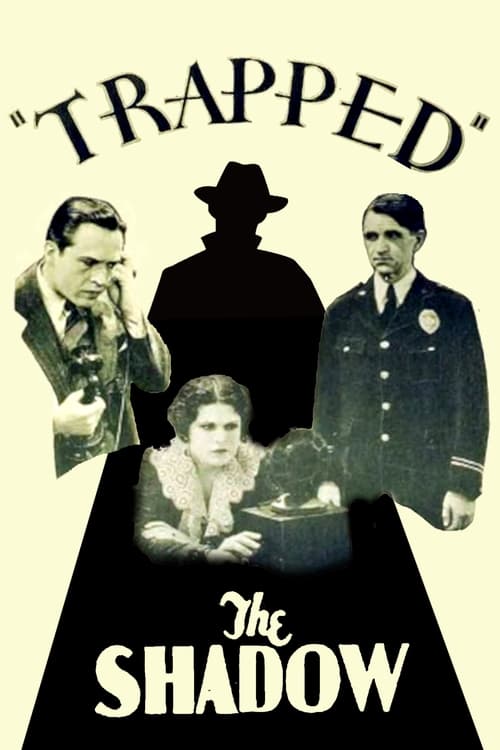
Trapped
1931
No user ratings available yet
Diversity score: 1.8 out of 10
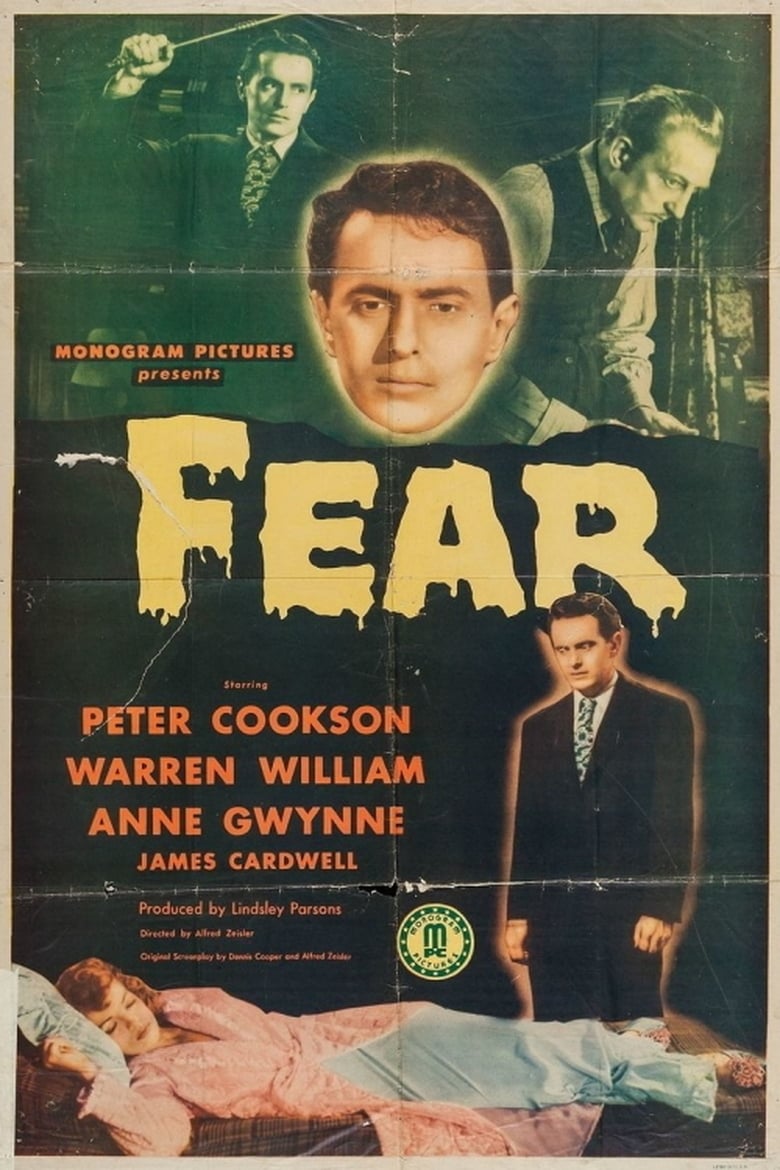
1946
NRDirector
Alfred Zeisler
Runtime
68 minutes
Average Rating
No ratings yetSynopsis
B-movie film noir take on Crime and Punishment. A college student gets deeper and deeper in trouble when he takes a loan from a shady college professor.
Overall Score
Limited
Category Breakdown
LGBTQ+ Representation
The film lacks any depiction of non-cisnormative identities or same-sex intimacy. It follows a traditional heteronormative framework typical of 1946 crime dramas.
Gender Representation
The narrative relies on conventional mid-century gender roles and male-centric power dynamics. There is no evidence of female characters driving the plot or subverting masculine leadership.
Racial & Ethnic Diversity
The story appears to be a localized drama centered on a collegiate environment. It likely adheres to the homogeneous casting norms of the era, lacking characters of color.
Religious & Cultural Diversity
While adapting themes of morality from Crime and Punishment, the film aligns with traditional Western moral frameworks. It functions as a standard cautionary tale rather than a systemic critique.
Disability Representation
There is no evidence of characters with visible or invisible disabilities. The focus remains on psychological tension and crime without including neurodivergent or physically disabled perspectives.
Strengths
Areas for Improvement
AI Analysis
Fear is a mid-century noir that adheres strictly to the cinematic and social constraints of its era. The narrative structure prioritizes a student-professor debt dynamic, which reinforces traditional hierarchies rather than challenging them. The film lacks intersectional complexity, focusing instead on a localized, character-driven crime plot. It follows the established genre tropes of 1946, resulting in a homogeneous representation of identity and social roles. Ultimately, the work functions as a standard B-movie adaptation of classic moral themes, offering little in the way of diverse perspectives or systemic subversion.
1931
1942

1936
1954

1945

1939
1950
1956
1953
1949
1949
No reviews yet. Be the first to share your thoughts on this movie!
Use the rating form above to leave a star rating and optional review.