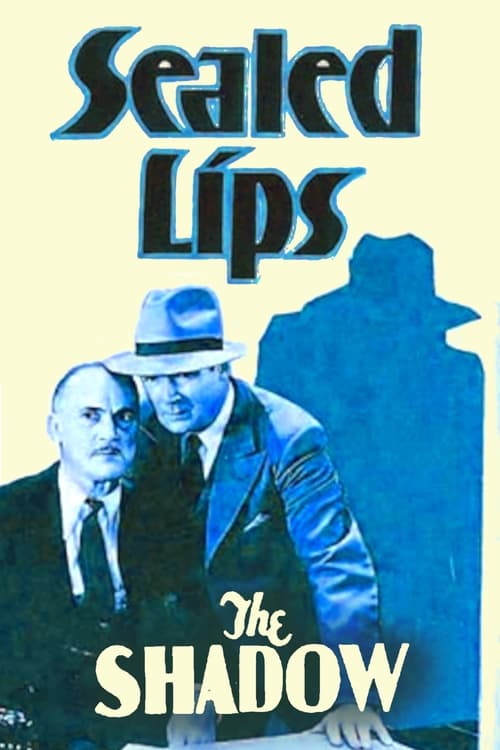
Sealed Lips
1931
No user ratings available yet
Representation score: 0.0 out of 10
Representation Score
Minimal
1931
PassedDirector
Kurt Neumann
Runtime
23 minutes
Average Rating
No ratings yetNew Showbiz Analysis
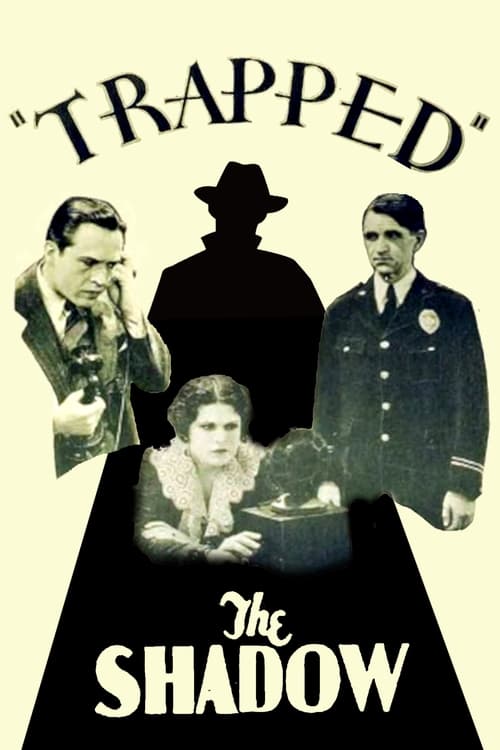
Trapped (1931) is a typical crime mystery of its time, adhering to the strict social hierarchies of the early sound era. The film follows standard genre conventions, focusing on traditional moral frameworks rather than social complexity. The production reflects the era's mainstream cinematic norms, lacking depth in representing multiple aspects of identity. It centers on detective traditions and maintaining established social order rather than disrupting power dynamics. Ultimately, the film serves as a baseline example of early 20th-century filmmaking, where identity representation is minimal and traditional roles dominate the narrative.
Category Breakdown
The film does not include any characters with non-binary gender identities or transgender experiences. It operates within the social norms of the 1930s.
The story likely reinforces traditional gender roles, with male characters having the primary ability to act and control in the crime narrative.
Casting likely reflects the homogeneous demographics typical of early Hollywood studio systems. There is no indication of a predominantly non-white cast.
The story emphasizes restoring social order through traditional legal processes. It lacks themes that challenge institutional or Western norms.
There are no details about neurodivergence or physical disabilities. Portrayals of such conditions were rarely given significant roles in 1931 crime shorts.
Present on Screen
Limited or Absent
Official Synopsis
The Shadow's second movie short, an adaptation from a Ray Humphreys story, "The Cat's Paw," from Detective Story Magazine.
1931
1931
1932
1935
1929
1934
1921
1942
No reviews yet. Be the first to share your thoughts on this movie!
Use the rating form above to leave a star rating and optional review.