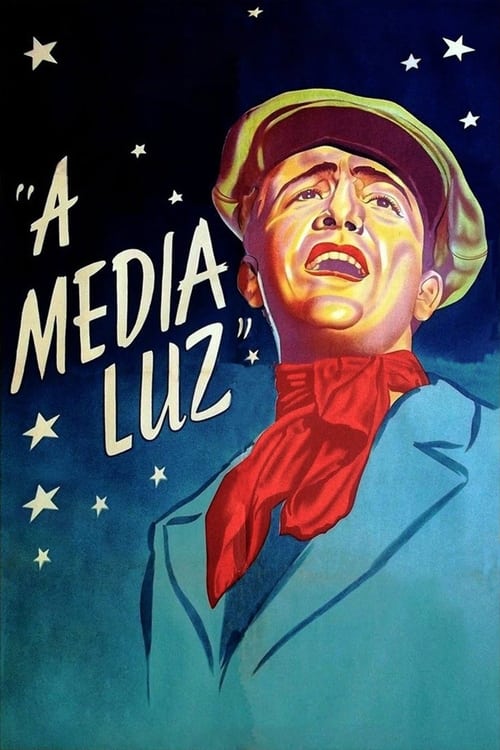
A media luz
1947
No user ratings available yet
Representation score: 1.8 out of 10
Representation Score
Minimal
1954
Not RatedDirector
Ismael Rodríguez
Runtime
105 minutes
Average Rating
No ratings yetNew Showbiz Analysis
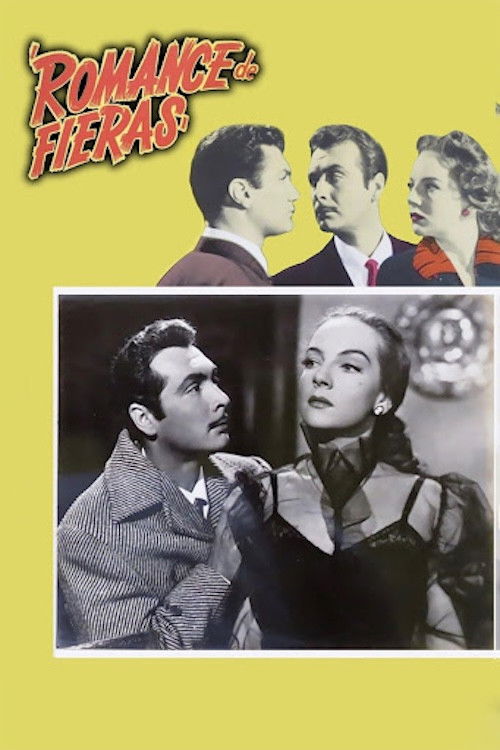
Romance de fieras is a conventional crime drama from the mid-1950s. While it offers regional identity through its Mexican cast and production, the story relies on established dramatic formulas of the time. The narrative focuses on class tensions between a lawyer and an industrialist, suggesting a reinforcement of social hierarchies rather than a challenge to them. Overall, the film lacks characters who reflect more than one aspect of diversity and does not include non-normative identities, reflecting the standard cinematic norms of 1954.
Category Breakdown
The film does not include any LGBTQ+ characters or stories. It follows traditional structures common in 1954 Mexican cinema.
Women like Martha Roth and Verónica Loyo play important roles, but they seem to act as catalysts for male conflicts rather than driving major changes.
The film features a non-Anglo-Saxon cast, providing regional representation. However, there is no indication of deep character development that reflects multiple aspects of identity.
The story revolves around class conflicts between a lawyer and an industrialist. It seems to reinforce existing social hierarchies without challenging them.
There is no information about the depiction of physical or neurodivergent characters in this film.
Present on Screen
Limited or Absent
Official Synopsis
Newly-graduated lawyer gets caught up in the personal drama surrounding a rich industrialist and his sociopathic son.
1947
1943
1946

1953
1957

1944
1950
1947
No reviews yet. Be the first to share your thoughts on this movie!
Use the rating form above to leave a star rating and optional review.