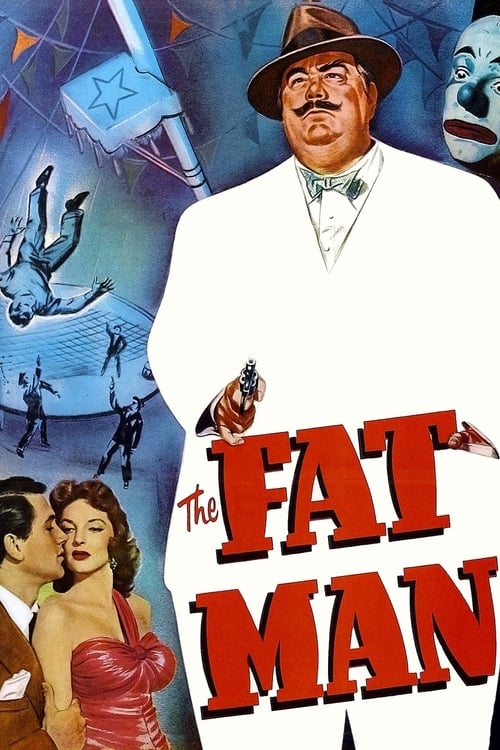
The Fat Man
1951
No user ratings available yet
Representation score: 0.6 out of 10
Representation Score
Limited
1949
NRDirector
Chester Erskine
Runtime
94 minutes
Average Rating
No ratings yetNew Showbiz Analysis
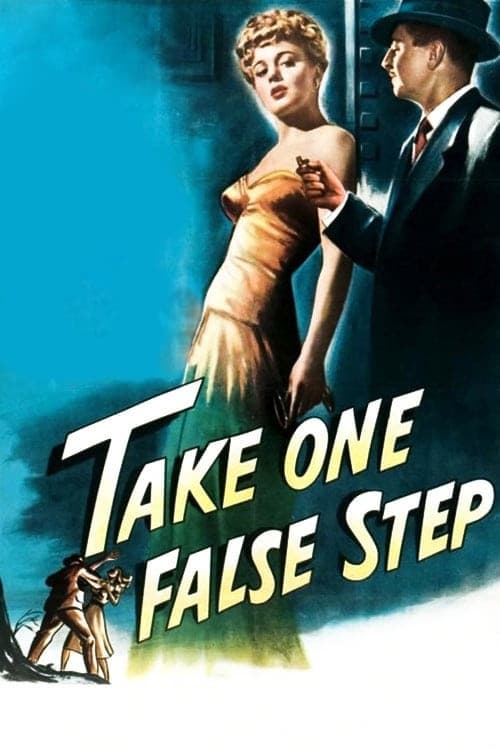
Take One False Step stands as a significant historical artifact that challenges the homogeneous storytelling of the late 1940s. By centering an African American community, the film moves away from the standard Hollywood studio system to explore social realism. The film's strength lies in its profound critique of institutional power and systemic injustice. It provides substantial ability to act to characters of color as they navigate a landscape of prejudice and potential mob violence. While the film excels in racial and cultural commentary, it remains constrained by the era's social norms regarding gender and lacks any representation of LGBTQ+ identities.
Category Breakdown
The film does not depict any non-cisgender identities or same-sex relationships. It focuses on racial and legal issues rather than LGBTQ+ themes.
Female characters such as Martha play crucial roles by driving the investigation. However, their roles are primarily supportive or domestic, reflecting mid-century social structures.
The film breaks Hollywood conventions by featuring an almost entirely Black cast. It examines systemic legal failures and the threat of mob violence against African American characters.
The narrative criticizes Western institutions, showing the American legal system as fallible and prone to bias. It highlights the tension between community members and law enforcement.
There is no significant depiction of physical or neurodivergent disabilities in the film.
Present on Screen
Limited or Absent
Official Synopsis
Catherine Sykes disappears after a midnight drive with Professor Andrew Gentling . When she's presumed murdered, his friend Martha convinces him that he's a prime suspect and should investigate before he's arrested.
1951
1944
1946

1940
1945
1948
1945
1950
No reviews yet. Be the first to share your thoughts on this movie!
Use the rating form above to leave a star rating and optional review.