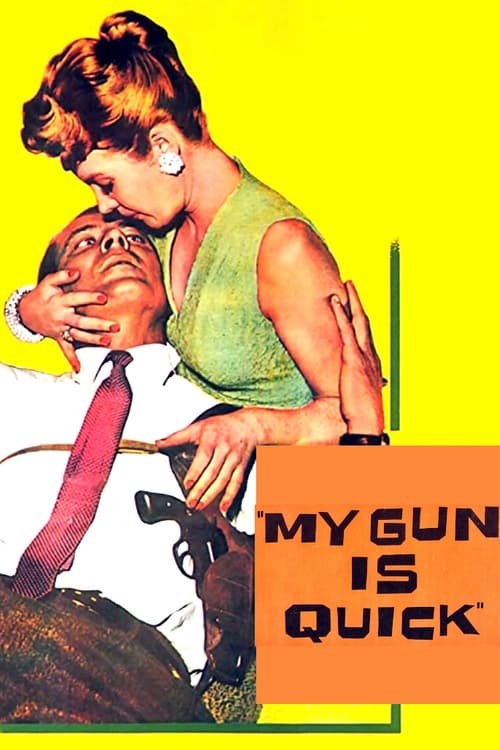
My Gun Is Quick
1957
No user ratings available yet
Representation score: 1.2 out of 10
Representation Score
Minimal
1949
ApprovedDirector
Richard Fleischer
Runtime
60 minutes
Average Rating
No ratings yetNew Showbiz Analysis
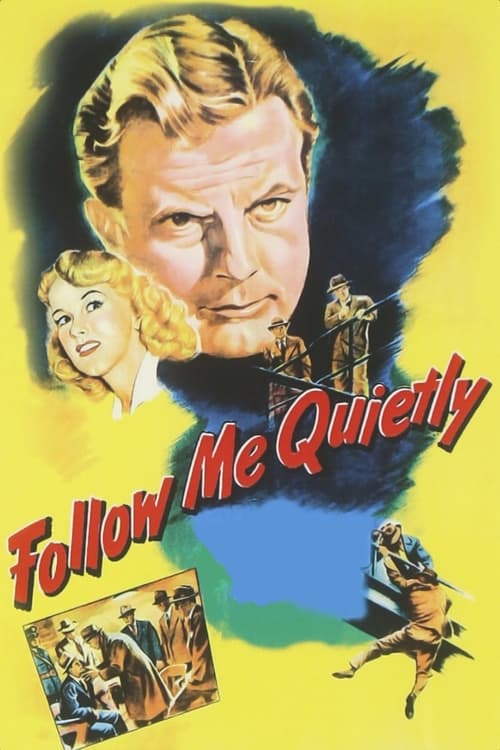
Follow Me Quietly is shaped by its historical context, using traditional noir elements that emphasize established social hierarchies. The narrative focuses on individual obsession and institutional justice, limiting its depth in reflecting diverse identities. The film employs conventional character types common to post-war cinema, providing a standard procedural framework but lacking the subversion of norms found in more inclusive works.
Category Breakdown
The film follows traditional 1940s crime cinema conventions and does not include any queer narratives or non-straight identities.
The plot revolves around a male protagonist who leads the investigation. The female reporter shows professional initiative but is still framed within the male-driven narrative.
The film reflects the era's homogeneous casting practices. The narrative centers on Anglo-centric urban settings typical of 1940s crime dramas.
The story explores urban crime and institutional justice from a procedural perspective. It upholds mid-century values regarding law and order without delving into broader cultural complexities.
There are no characters with physical or neurodivergent disabilities in the narrative. Thus, there is no representation of disability in this work.
Present on Screen
Limited or Absent
Official Synopsis
When it rains in the city, a serial killer known as "The Judge" looks for his next strangling victim. For months, the madman has been stalking at night, leaving behind clues, but police efforts have been fruitless. Constructing a life-size dummy of the murderer, police Lt. Harry Grant is growing obsessed with capturing him, and always following Grant is the relentless reporter Ann Gorman looking to break the story, but the hunt continues.
1957
1949
1955
1942
1952
1956
1946
1960
No reviews yet. Be the first to share your thoughts on this movie!
Use the rating form above to leave a star rating and optional review.