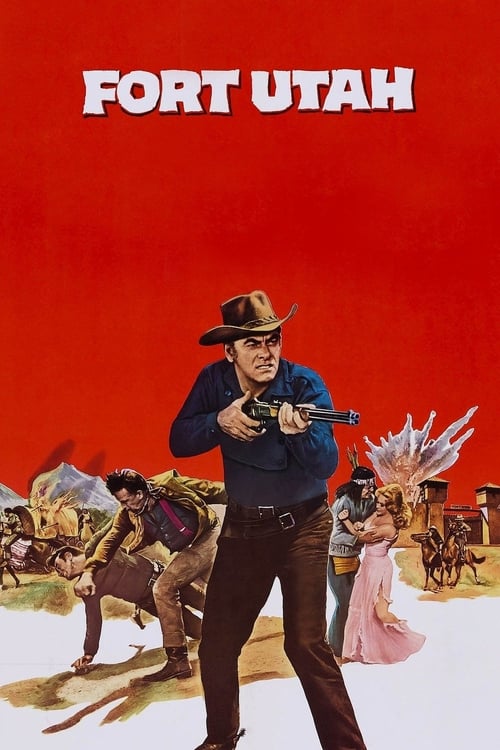
Fort Utah
1967
No user ratings available yet
Diversity score: 2.4 out of 10
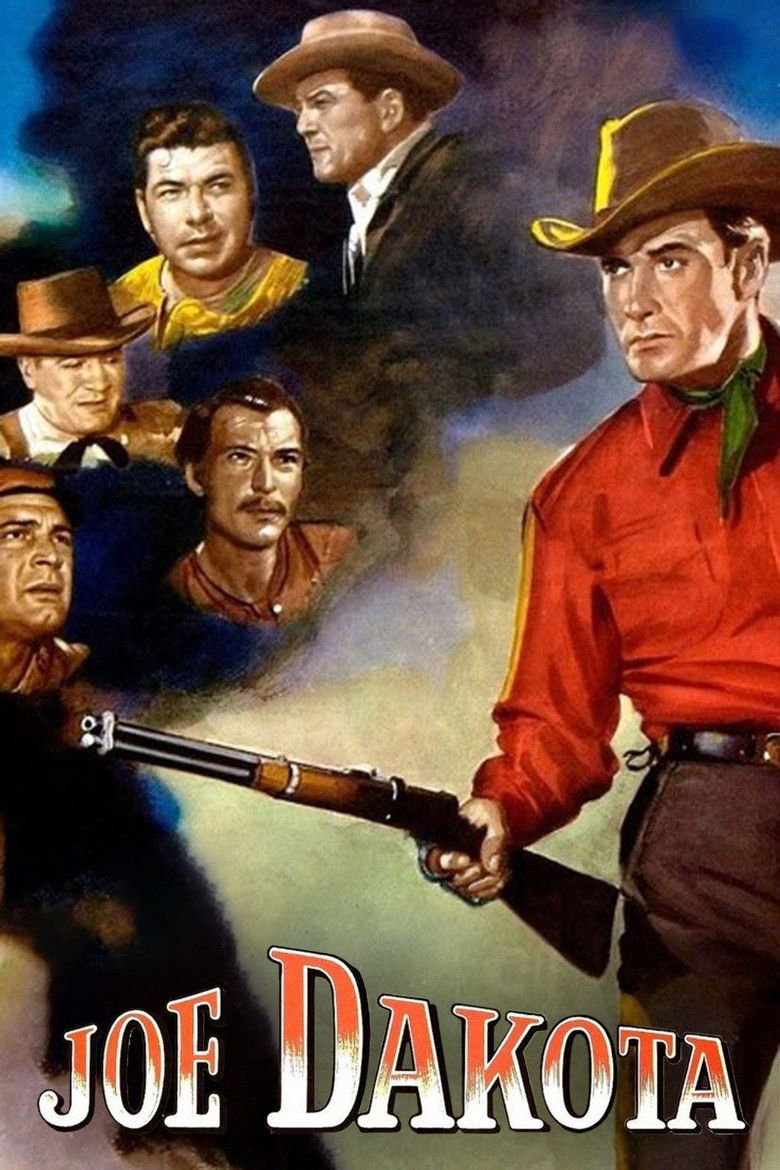
1957
NRDirector
Richard Bartlett
Runtime
79 minutes
Average Rating
No ratings yetSynopsis
A stranger rides into town and says he is looking for a local Indian. Told he left town, the truth everyone has been hiding comes out including the stranger's true identity.
Overall Score
Limited
Category Breakdown
LGBTQ+ Representation
The film adheres to strict mid-century heteronormative standards. There is no evidence of non-cisnormative identities or same-sex intimacy within the narrative.
Gender Representation
Joe Dakota drives the plot as the primary agent of action. Female characters are relegated to supportive or romantic roles, serving as emotional anchors rather than independent drivers.
Racial & Ethnic Diversity
The plot centers on a search for an Indigenous person, yet maintains a dominant Anglo-centric perspective. It follows standard 1950s casting patterns without subverting racial hierarchies.
Religious & Cultural Diversity
The story reinforces traditional Western morality and established social orders. It focuses on conventional themes of justice and redemption rather than critiquing social institutions.
Disability Representation
There are no identifiable depictions of visible or invisible disabilities. Characters function within the standard physical capacities expected of Western action protagonists.
Strengths
Areas for Improvement
AI Analysis
Joe Dakota is a quintessential product of its 1957 temporal context. The film functions as a traditional Western that reinforces established social, gender, and racial hierarchies through its narrative architecture. The story prioritizes conventional tropes of heroism and justice. By focusing on a protagonist seeking to restore his standing within the existing social structure, the film offers minimal disruption to the status quo. Ultimately, the film lacks intersectional exploration, opting instead for the standard cinematic tropes of the mid-century frontier genre.
1967
1950
1953
1948
1960
1934

1955
1952
1946
1952
1935
1952
No reviews yet. Be the first to share your thoughts on this movie!
Use the rating form above to leave a star rating and optional review.