
Paraguayan Hammock
2006
No user ratings available yet
Representation score: 8.3 out of 10
Representation Score
Good
1999
Not RatedDirector
Arturo Ripstein
Runtime
118 minutes
Average Rating
No ratings yetNew Showbiz Analysis
Arturo Ripstein’s drama succeeds by focusing on a Latin American identity and providing a realistic portrayal of life in the Global South. It avoids a color-blind approach, opting instead for a culturally specific realism that highlights the lived realities of underrepresented communities. The film’s strength lies in its critique of the social contract. By portraying the characters as sidelined by the very institutions meant to support them, it uses domestic tragedy to indict larger, oppressive systemic frameworks. However, the film lacks explicit representation for LGBTQ+ identities and specific disabilities. While it touches on the physiological toll of poverty, it does not provide dedicated narratives for these underrepresented groups.
Category Breakdown
The film focuses solely on a family unit where everyone is assumed to be straight and cisgender. There are no representations of LGBTQ+ or non-assuming gender matches what was assigned at birth identities.
The story portrays an equal partnership between the Colonel and his wife, showing them as co-protagonists rather than a submissive figure. The Colonel is shown as powerless against the state.
The film features a mostly Latin American cast, grounding the story in its specific cultural context. This centers the non-Anglo-Saxon experience, challenging Western-centric cinema.
It depicts the government as an indifferent and oppressive force, critiquing institutional structures. The film explores post-colonial themes through the lens of systemic neglect.
There are no explicit depictions of physical or neurodivergent disabilities. However, the film touches on the physical toll of aging and the invisible disability of extreme poverty.
Present on Screen
Limited or Absent
Official Synopsis
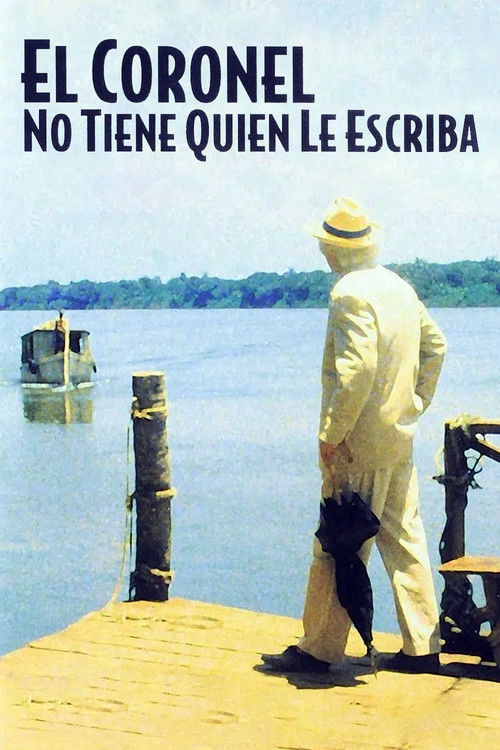
Every Friday, the Colonel puts on his only suit and goes to the dock to await a letter announcing the arrival of his pension. But the townsfolk all know that this pension will never come. His wife also knows it, and even he knows it. But he is still waiting, living with the pain of the death of his son.
2006

1963

2002

1970
1978
1994

2009

2012
No reviews yet. Be the first to share your thoughts on this movie!
Use the rating form above to leave a star rating and optional review.