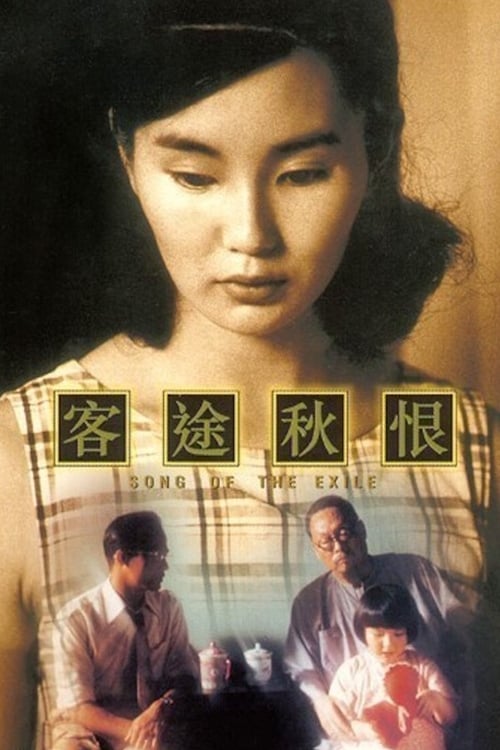
Song of the Exile
1990
No user ratings available yet
Diversity score: 5.7 out of 10
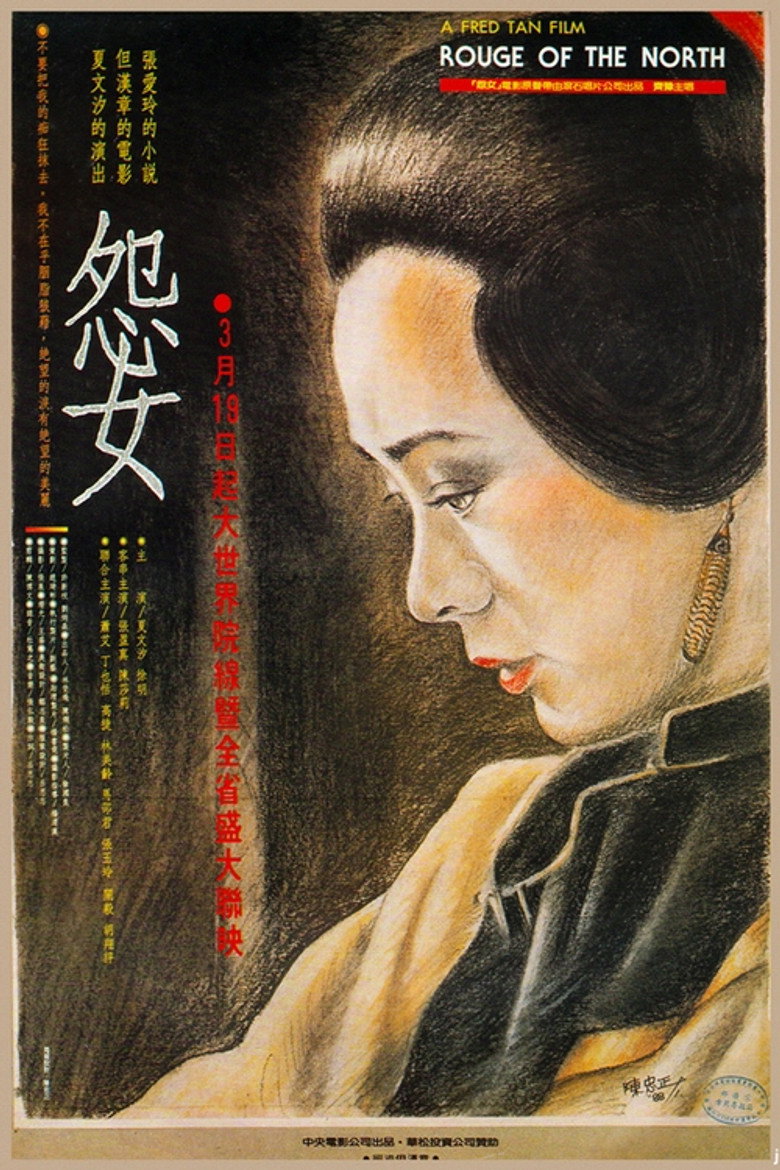
1988
Director
Fred Tan
Runtime
106 minutes
Average Rating
No ratings yetSynopsis
In this drama, the harsh treatment of women in Chinese society is examined and subtly commented upon as it tells the tale of an impoverished woman living in Shanghai, circa 1910 who tries to support her brother and sister-in-law. A marriage to a wealthy man is arranged for her, and reluctantly she endures it, even though she does not love the man who is as cruel as he is wealthy. His mother is also brutally unkind to her. She then has a son, but her struggles are not over when her husband dies and only leaves her a modest inheritance. Her wretched life has made her bitter, and so she begins making her son suffer as she die; she also becomes addicted to opium.
Overall Score
Fair
Category Breakdown
LGBTQ+ Representation
The film lacks explicit depictions of LGBTQ+ identities. The narrative focuses on the heteronormative constraints of early 20th-century Shanghai and the friction within traditional marriage structures.
Gender Representation
The film subverts traditional hierarchies by centering on a woman's struggle against patriarchal cruelty. It critiques impossible standards of virtue by showing the protagonist's descent into bitterness and resentment.
Racial & Ethnic Diversity
The story provides a localized, non-Western perspective centered on the Chinese working class. While the cast is ethnically homogeneous, it prioritizes a cultural context outside of Western hegemony.
Religious & Cultural Diversity
The narrative portrays traditional institutions and patriarchal family units as inherently oppressive. It rejects idealized versions of motherhood and family sanctity in favor of a complex view of suffering.
Disability Representation
There is no explicit evidence of physical or neurodivergent disabilities. The protagonist's opium addiction appears to be a symptom of systemic victimization rather than a study of disability agency.
Strengths
Areas for Improvement
AI Analysis
Rouge of the North is a gritty social realist drama that uses the historical setting of 1910 Shanghai to dismantle traditional domestic myths. It excels in its subversion of gender roles, presenting a woman's struggle against a cruel husband and mother-in-law rather than a sanitized version of history. While the film offers a strong non-Western perspective, it lacks diversity in terms of LGBTQ+ identities and disability representation. The narrative is tightly focused on the systemic oppression of women within a specific cultural and class framework. Ultimately, the film succeeds as a critique of institutional power. It replaces the trope of the stable, virtuous family with a harrowing look at how social structures can drive individuals toward bitterness and addiction.
1990
1957
2001

1956
2018
2016
1985

2000
1952
1964

1993
1959
No reviews yet. Be the first to share your thoughts on this movie!
Use the rating form above to leave a star rating and optional review.