
Beijing Bicycle
2001
No user ratings available yet
Representation score: 3.4 out of 10
Representation Score
Good
2003
Director
Wang Xiaoshuai
Runtime
120 minutes
Average Rating
No ratings yetNew Showbiz Analysis
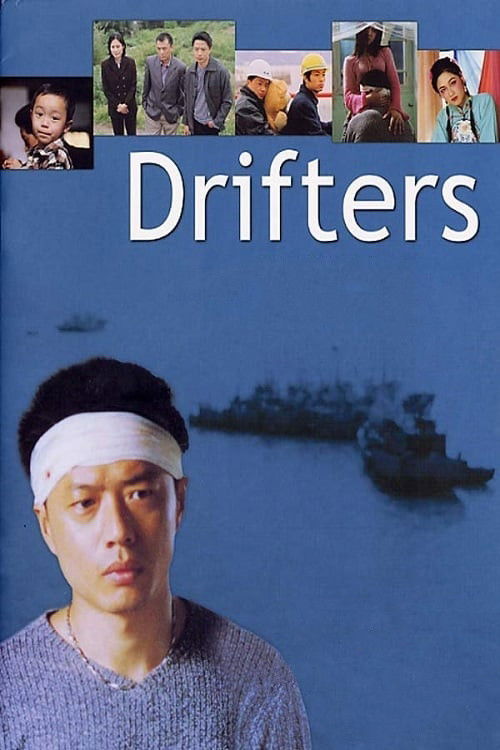
Wang Xiaoshuai’s *Drifters* is a realistic critique of globalization and the personal costs of capitalist growth. It focuses on the 'floating population'—migrant workers caught between traditional and modern life. While the film doesn’t offer much diversity in terms of LGBTQ+ identities or physical disabilities, it excels in social commentary. The film’s strength lies in its nuanced portrayal of the disenfranchised. It avoids idealized, pro-system narratives and instead highlights the systemic displacement caused by pursuing economic success. Ultimately, the film serves as a study of moral relativism and the alienation caused by shifting economic landscapes. It provides deep insights into the struggles of individuals against global trends.
Category Breakdown
The film doesn't include explicit LGBTQ+ stories or diverse gender identities. Instead, it focuses on heterosexual domestic issues and the importance of family lineage.
Women such as Xuhui and Wu Ruifang play key roles in the protagonist's journey. However, the film challenges traditional masculinity by showing the male experience as deeply inadequate.
The film looks at social divisions within a community rather than racial diversity. It highlights the tension between regional identities and the uncertain position of migrant workers.
The narrative questions Western-style economic success and criticizes the capitalist system. It shows traditional family structures as broken by the pursuit of wealth and systemic changes.
The film does not focus on visible or hidden disabilities. Any sense of incapacity is symbolic, representing the characters' struggles within a rapidly changing society.
Present on Screen
Limited or Absent
Official Synopsis
The young adult life of Hong Yunsheng, nicknamed Little Brother, is seen as somewhat of a failure by those that know him. A Chinese national, he stowed away on a boat to the United States, where he worked as a dishwasher in the restaurant of a family from his hometown back in Fujian province. After two years in the States and after fathering an illegitimate child there named Fusheng, the child's mother Xuhui who is the restaurateur's daughter, he was deported back to China. Since, he has been floundering in life, which has caused a rift between himself and his older brother, who, with his wife, operate a street front diner and can't have children of their own. Little Brother relies on his new girlfriend, a woman he barely knows named Wu Ruifang who is a performer in a touring opera troupe, for emotional support. Despite Little Brother being the local poster boy for not stowing away, his friend named Monkey tried to do the same, but died on the voyage over due to exposure to toxic ..
2001

1997
2005

1985
1990

2004

2010

2013
No reviews yet. Be the first to share your thoughts on this movie!
Use the rating form above to leave a star rating and optional review.