
No One Writes to the Colonel
1999
No user ratings available yet
Diversity score: 6.3 out of 10
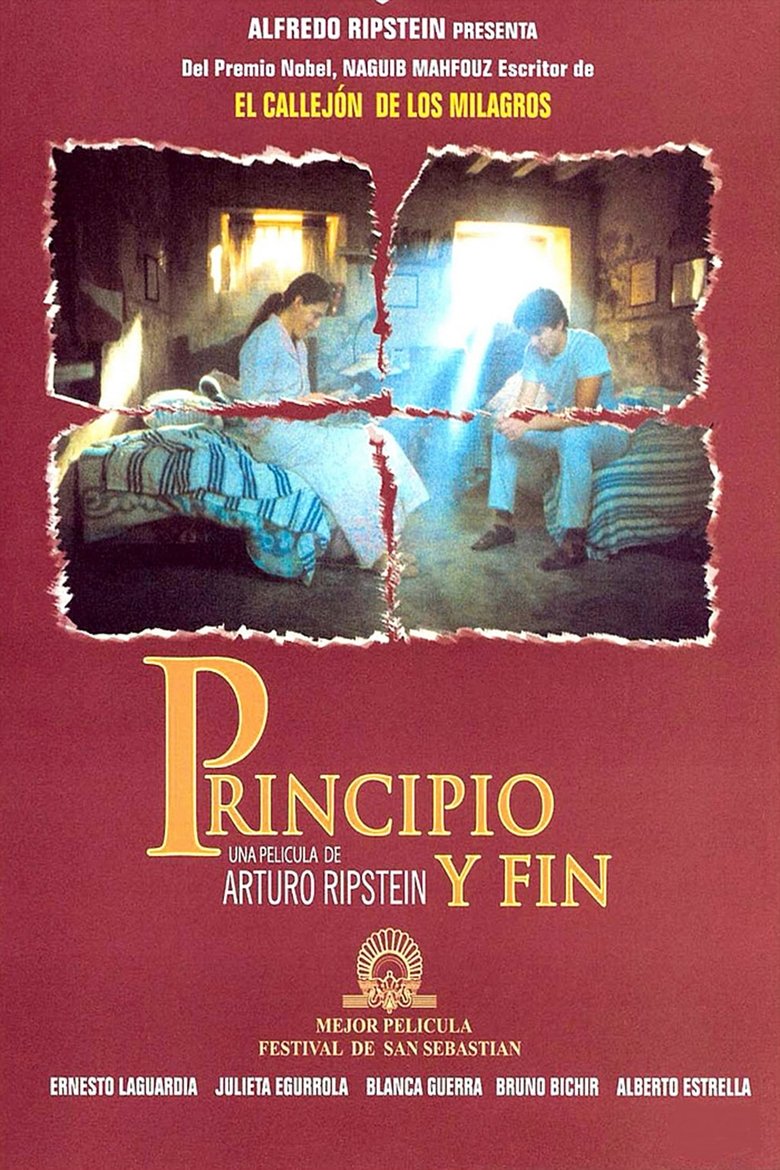
1994
Director
Arturo Ripstein
Runtime
187 minutes
Average Rating
No ratings yetSynopsis
The film tells the story of the Boteros, a middle-class Mexican family struggling against poverty after their father's death. Ignacia (Egurrola) is the Boteros mother, a desperate woman who chooses to sacrifice the destiny of her three older children, in order to protect Gabriel (Laguardia) the youngest one. She believes Gabriel will climb the social structure and bring back the lost fortune to the family. But destiny has other plans for the Boteros and tragedy will overcome eventually. Based on the novel of Nobel Prize winner Naguib Mahfouz.
Overall Score
Fair
Category Breakdown
LGBTQ+ Representation
The narrative centers on biological survival and familial preservation. There is no evidence of non-cisnormative identities or same-sex intimacy within the central arc.
Gender Representation
Ignacia disrupts traditional hierarchies as a high-agency protagonist. She acts as the primary architect of her family's survival through ruthless, calculated decision-making.
Racial & Ethnic Diversity
The film offers a localized Mexican perspective that avoids a Western gaze. It prioritizes a regional reality by centering a non-Anglo-Saxon cast.
Religious & Cultural Diversity
The story deconstructs the idealized family, portraying it as a site of burden and tragedy. It critiques how systemic poverty pressures traditional social structures.
Disability Representation
There is no significant evidence of characters with visible or invisible disabilities serving as central agents in the plot.
Strengths
Areas for Improvement
AI Analysis
Arturo Ripstein’s drama succeeds as a gritty character study of systemic and familial decay. It avoids sanitized depictions of domestic life, opting instead for a complex exploration of how socioeconomic environments dictate human agency. The film earns credit for its refusal to present a Westernized view of middle-class struggle. By focusing on the specific cultural and class contexts of a Mexican family, it provides a nuanced, regional perspective. However, the film remains limited by its narrow thematic focus. It lacks representation for LGBTQ+ identities and disability, adhering to a traditional, heteronormative framework centered on maternal instinct and survival.
1999

1986

1960

2009
1973

1990
1955

1974
1994

2012

1963

1980
No reviews yet. Be the first to share your thoughts on this movie!
Use the rating form above to leave a star rating and optional review.