The Naked Island
1960
No user ratings available yet
Representation score: 5.5 out of 10
Representation Score
Limited
1994
Director
Rithy Panh
Runtime
125 minutes
Average Rating
No ratings yetNew Showbiz Analysis
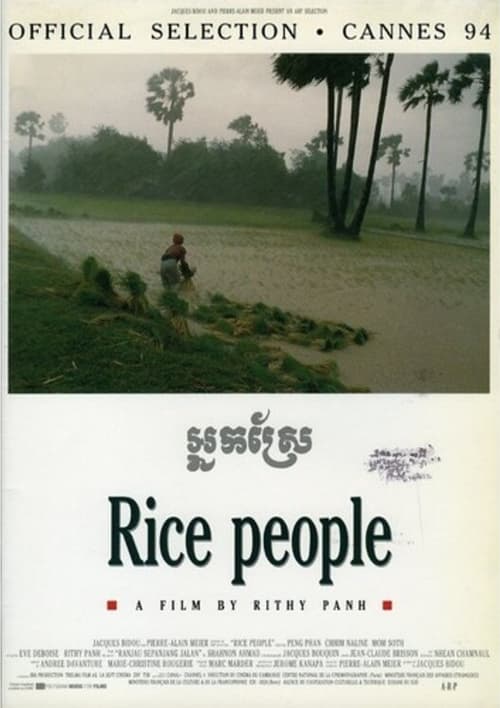
Rithy Panh’s work serves as a vital piece of cultural preservation, centering the Khmer peasantry through an ethnographic lens. It successfully disrupts the Western-centric storytelling by prioritizing the lived experiences and indigenous ability to act of a non-Western population. However, the film remains rooted in traditional structures. It does not engage with contemporary identity politics, such as LGBTQ+ narratives or the subversion of gender roles, focusing instead on communal and biological cycles. Ultimately, the film's value lies in its refusal to sanitize the realities of the Global South, framing the struggle for subsistence as a profound human narrative.
Category Breakdown
The film focuses on rural Cambodian life and does not include any LGBTQ+ characters or narratives exploring non-straight or non-cisgender identities.
The story highlights traditional gender roles in a rural, agricultural setting. Characters are defined by their relationship to the land and economic survival rather than challenging gendered power dynamics.
The film excels in its authentic representation of the Khmer peasantry. It prioritizes indigenous ability to act and cultural specificity, disrupting the Western-centric perspective.
The narrative challenges Western-centric views of progress by emphasizing the cyclical nature of subsistence farming. It highlights a localized, communal existence over individualistic Western ideals.
The film does not specifically address physical or neurodivergent disabilities. It focuses on the collective physical toll of agricultural labor.
Present on Screen
Limited or Absent
Official Synopsis
A poor, rural Cambodian family slowly disintegrates during the cycle of a single rice crop.
1960
1978
1996
1994
2004

2017
2009
2018
No reviews yet. Be the first to share your thoughts on this movie!
Use the rating form above to leave a star rating and optional review.