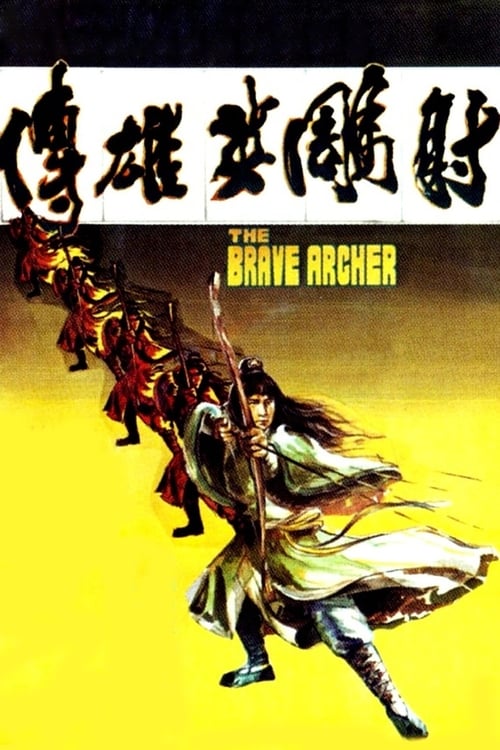
The Brave Archer
1977
No user ratings available yet
Representation score: 2.8 out of 10
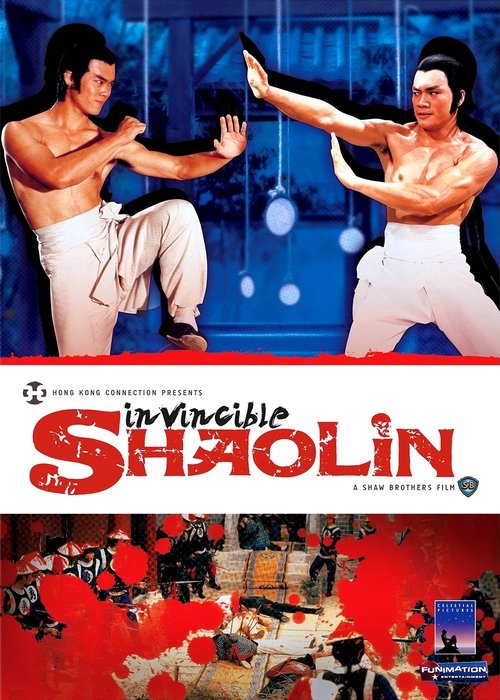
Representation Score
Minimal
1978
RDirector
Chang Cheh
Runtime
106 minutes
Average Rating
No ratings yetNew Showbiz Analysis
Invincible Shaolin is a traditional martial arts epic that adheres to the genre conventions of the late 1970s Shaw Brothers era. The story revolves around rigid hierarchies of masculinity, religious tradition, and ethnic homogeneity. While the film provides an authentic look at Shaolin history, it does not engage with contemporary progressive values. It primarily reinforces patriarchal structures and traditional martial ethics. The narrative focuses on lineage and physical discipline, offering limited space for diverse identities or challenging established social norms.
Category Breakdown
The film follows a traditional martial arts framework that assumes everyone is straight or cisgender. There are no depictions of LGBTQ+ identities or themes.
The story centers on male martial artists and combat hierarchies. Female characters are few and play minor, passive roles, reinforcing traditional male dominance.
Set in 19th-century China, the film features a culturally homogeneous cast. It offers an authentic portrayal of Chinese martial arts culture and historical settings.
The film is grounded in traditional Shaolin Buddhist principles and emphasizes the protection of Chinese ethical traditions against outside influences.
The film does not address neurodivergence, physical disabilities, or chronic illnesses. Characters are portrayed as physically fit and skilled in martial arts.
Present on Screen
Limited or Absent
Official Synopsis
Three North Shaolin teachers are called on by the Manchus to teach their soldiers and are urged to challenge the current South Shaolin teachers. They defeat the South Shaolin teachers and, that night, the head general kills the South Shaolin teachers and blames their death on the North Shaolin teachers. The South Shaolin master sends more of his pupils, who are killed accidentally by the North Shaolin teachers. He finally sends two more of his students to train with old masters and trains one student himself with the goal of finally defeating the North Shaolin experts.
1977
1967
1980
1978
1976

1982
1977
1974
No reviews yet. Be the first to share your thoughts on this movie!
Use the rating form above to leave a star rating and optional review.