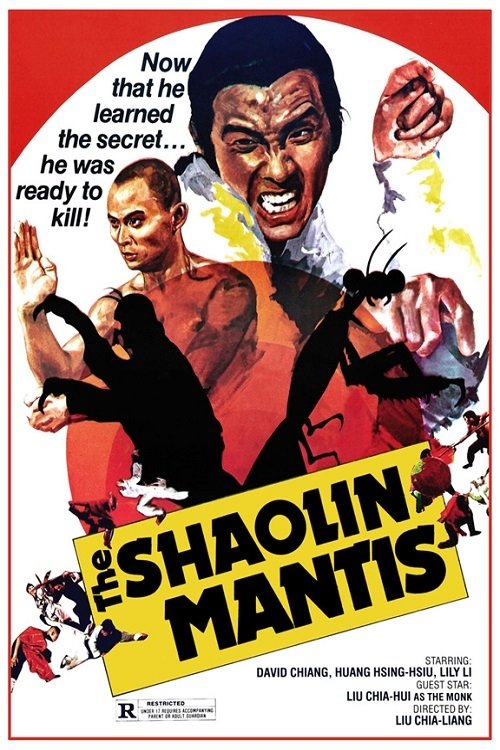
Shaolin Mantis
1978
No user ratings available yet
Representation score: 2.1 out of 10
Representation Score
Good
1987
Director
Ann Hui
Runtime
88 minutes
Average Rating
No ratings yetNew Showbiz Analysis
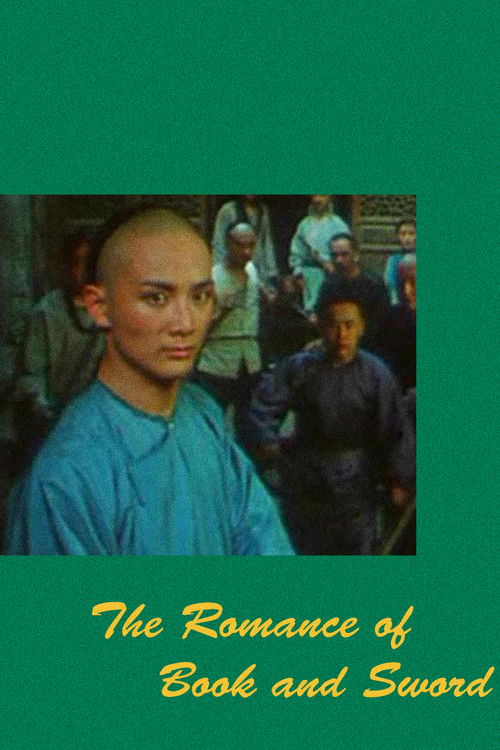
Ann Hui's direction offers a sophisticated critique of systemic power and imperial dominance. The film effectively highlights the struggle of an ethnic group against an oppressive regime, providing cultural resonance through its exploration of Han Chinese identity. However, it lacks contemporary markers of diversity. There is minimal representation for LGBTQ+ identities or characters with disabilities, focusing instead on the ideals of the martial arts genre. Ultimately, the film is a historical critique valuing individual morality and collective resistance, though it remains confined by its period-specific social context.
Category Breakdown
The film centers on political and martial conflicts within the Red Flower Society but does not depict any non-binary gender identities or same-sex relationships, sticking to traditional wuxia genre conventions.
Women in the film showcase strong martial skills and play significant roles, challenging stereotypes of passivity. However, the main political dynamics are dominated by male-centric scholarly and secret society structures.
The story examines Han Chinese identity in contrast to Manchu dominance. Despite an ethnically uniform cast, the narrative offers a detailed look at ethnic resistance and cultural preservation.
The film portrays the Manchu empire as an oppressive institution and emphasizes collective identity and resistance against systemic corruption rather than adherence to state-imposed order.
There are no characters with disabilities shown taking active roles. The emphasis on the physical perfection of warriors might sideline portrayals of those with disabilities.
Present on Screen
Limited or Absent
Official Synopsis
The story is based on the popular novel developed from folk legend. It goes that the Manchurian emperor Qianlong of China (circa 18th Century) was actually the son of a Han Chinese, the subject ethnicity. His brother of blood, Chen Jialuo just happened to be the chief of the Red Flower Society, an anti-Manchu secret society. Chen, a learned scholar, thought he could get his brother turn his back on the Manchu and restore the Han Chinese reign. But the story was ended by brutal clearence of the society members. It reflects one of the dark pages in Chinese culture, that ethics and humanity always become impotent when countered with power.
1978
1967
1993
1984
1972
2007
1991
1982
No reviews yet. Be the first to share your thoughts on this movie!
Use the rating form above to leave a star rating and optional review.