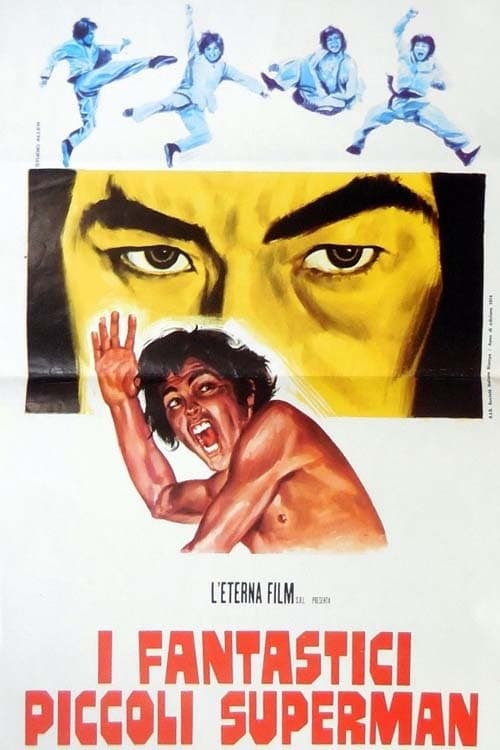
Little Superman
1975
No user ratings available yet
Representation score: 4.1 out of 10
Representation Score
Limited
1991
Director
Tony Ching Siu-Tung, Tsui Hark
Runtime
97 minutes
Average Rating
No ratings yetNew Showbiz Analysis
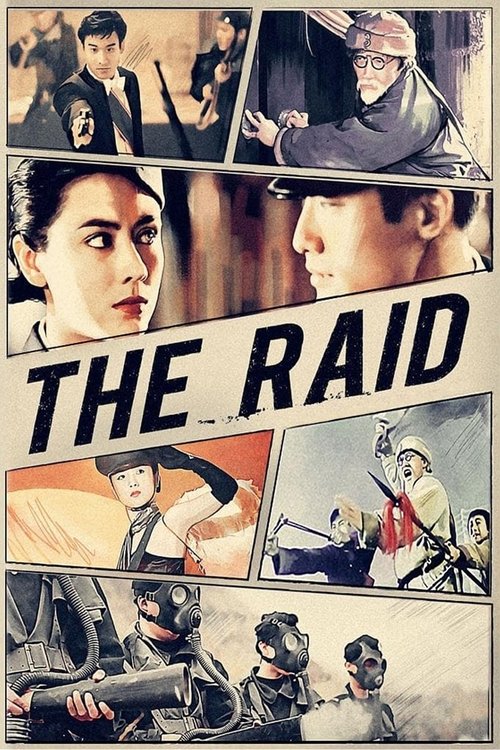
The Raid is a period martial arts drama that prioritizes historical conflict and physical skill. It succeeds in providing ethnic authenticity and exploring themes of national sovereignty against foreign occupation. However, the film adheres to traditional social structures. The narrative structure is built upon classical heroic struggles, which limits its engagement with contemporary diverse representation. Ultimately, the film lacks diversity in gender, LGBTQ+, and disability categories, focusing instead on male-driven combat and military duty.
Category Breakdown
The film focuses on a male-centric revolutionary mission set in the 1930s. There are no visible LGBTQ+ characters or narratives addressing non-straight identities.
The story centers on masculine archetypes and martial arts prowess. While Lieutenant Mong shows leadership, the narrative lacks significant women's ability to drive the story or challenges to traditional gender hierarchies.
The cast is predominantly East Asian, providing ethnic authenticity to the historical setting. The plot emphasizes East Asian ability to act during a period of colonial tension.
The film critiques colonial power dynamics and resistance against occupation. It remains rooted in traditional clichés of patriotism and duty rather than modern moral relativism.
There is no evidence of characters with visible or invisible disabilities. Disability is not used as a narrative device or plot point.
Present on Screen
Limited or Absent
Official Synopsis
In the 1930s, China was in a state of turmoil and flurry. The dethroned Emperor Pu-Yi had established the Puppet State of Manchukuo in Manchuria and was cooperating with the Japanese in the testing of poisonous gas. The revolutionary army headed by Lieutenant Mong is assigned to crush this vicious plot. During his mission, Mong comes across witty and valiant veteran Uncle Choy and his friends, who volunteer to help. Mong believes that Uncle Choy is too old to join them. How can Uncle Choy prove himself? And can they succeed in their mission?
1975
1967
2011

1964
1993

1987
1974
1979
No reviews yet. Be the first to share your thoughts on this movie!
Use the rating form above to leave a star rating and optional review.