Once Upon a Time in China V
1994
No user ratings available yet
Representation score: 6.5 out of 10
Representation Score
Limited
1991
RDirector
Tsui Hark
Runtime
133 minutes
Average Rating
No ratings yetNew Showbiz Analysis
Tsui Hark’s film is a powerful post-colonial narrative that excels in its portrayal of indigenous identity and cultural ability to act. By framing the struggle against foreign imperial forces through the lens of traditional martial arts, the film successfully deconstructs Western hegemony and celebrates cultural preservation. However, the film remains rooted in the patriarchal hierarchies of the Qing Dynasty. The narrative structure reinforces traditional masculine leadership, leaving female characters with less control over the primary martial action. Ultimately, the film's strength lies in its nuanced critique of Western imperialism and its effective use of martial arts as a metaphor for resisting foreign technology.
Category Breakdown
The film focuses on traditional familial and social structures in 19th-century Canton. There is no clear presence of queer subtext or non-assuming gender matches what was assigned at birth identities.
Wong Fei-hung serves as the central masculine authority and protector. While Aunt Yee drives the ideological conflict regarding Westernization, female characters largely operate within domestic or reactionary roles.
The narrative centers on Chinese sovereignty against English, French, and American imperial forces. It uses martial arts as a metaphor for resisting colonial encroachment and technological imposition.
The film critiques Western imperialism and the disruptive nature of foreign capitalism. It prioritizes indigenous cultural values and martial arts ethics over destabilizing Western modernity.
There are no prominent depictions of physical or neurodivergent disabilities used as central plot devices or character traits.
Present on Screen
Limited or Absent
Official Synopsis
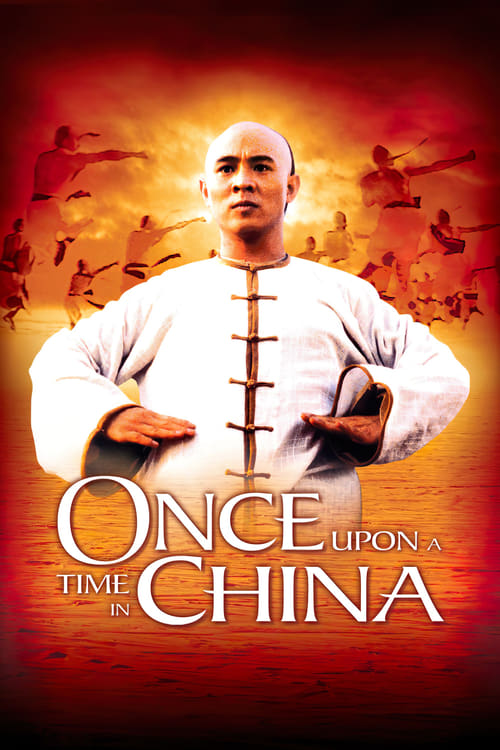
In late 19th-century Canton, legendary hero Wong Fei-Hung battles foreign forces' (English, French and American) plundering of China. When Aunt Yee returns from America totally westernised, Wong assumes the role of protector. This proves difficult when his martial arts school and local militia become involved in fierce battles with foreign and local governments. As violence escalates, even Aunt Yee has to question her new western ideals, but is it possible to fight guns with Kung Fu?
1994
1967
2005
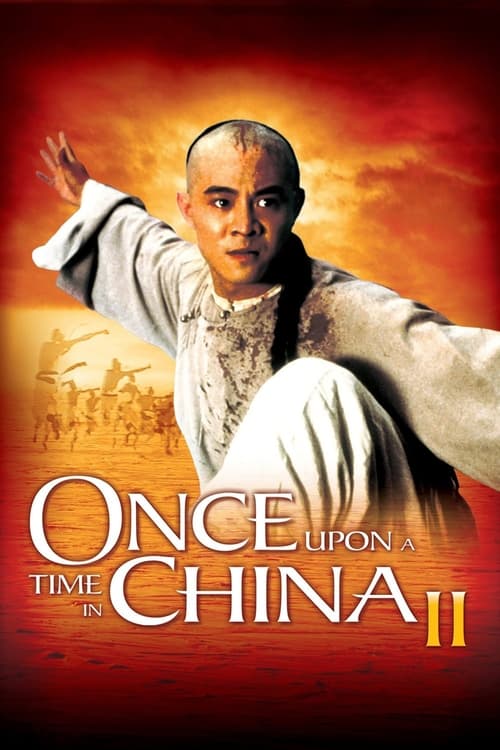
1992
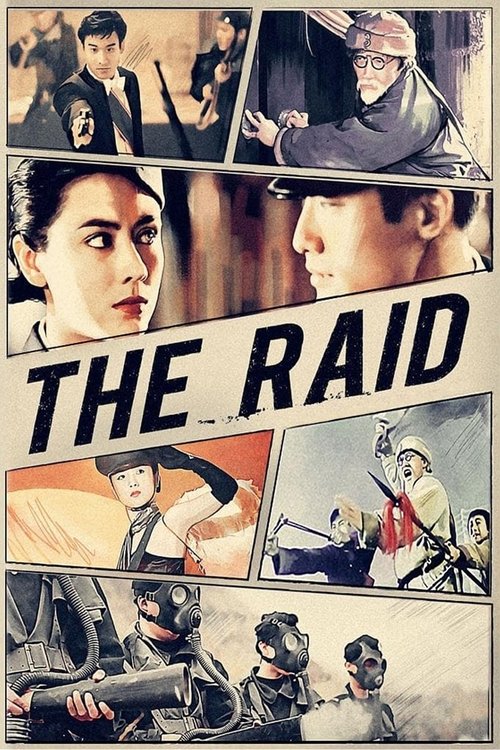
1991
1987
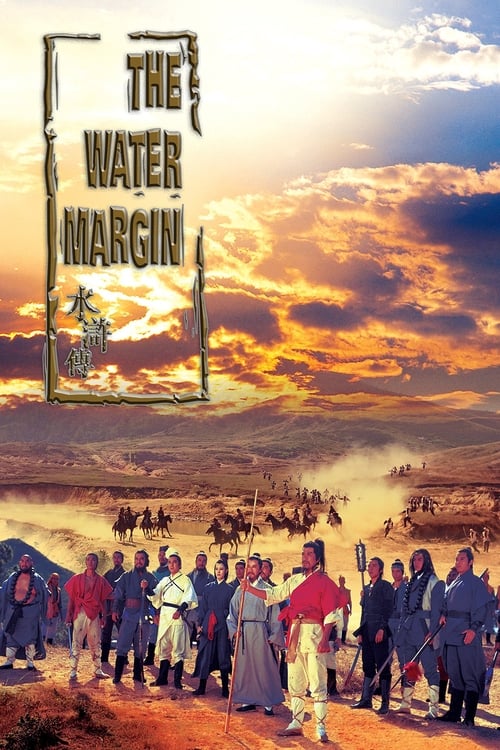
1972
2013
No reviews yet. Be the first to share your thoughts on this movie!
Use the rating form above to leave a star rating and optional review.