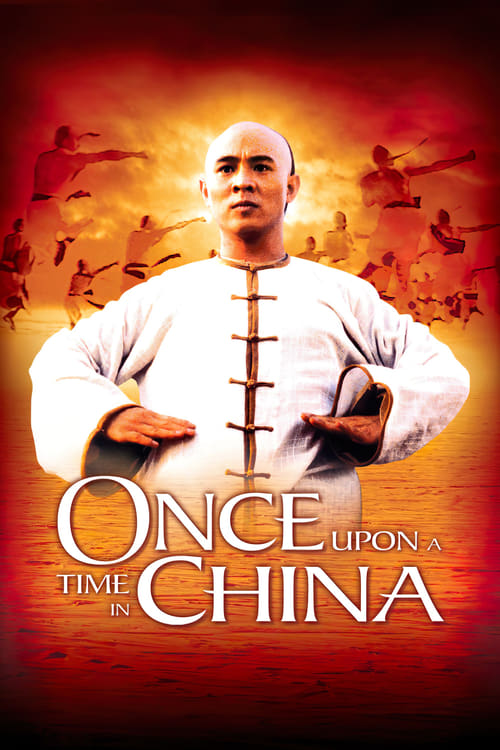
Once Upon a Time in China
1991
No user ratings available yet
Representation score: 3.3 out of 10
Representation Score
Good
1994
Not RatedDirector
Tsui Hark
Runtime
101 minutes
Average Rating
No ratings yetNew Showbiz Analysis
Tsui Hark's film offers a progressive perspective through post-colonial themes rather than individual identity politics. By focusing on the struggle of the local population against foreign encroachment, the film challenges Western-centric cinematic norms. However, it adheres to traditional genre conventions, such as masculine heroism, and lacks representation of LGBTQ+ individuals and disabilities.
Category Breakdown
There are no LGBTQ+ characters or narratives focusing on non-assuming gender matches what was assigned at birth identities in the film.
The narrative focuses on the masculine hero as the main driver of change. Female characters play important roles but are mostly in supporting roles.
The film highlights Chinese sovereignty and resistance against foreign colonial threats. This provides a nuanced look at ethnic identity from a non-Western perspective.
The story critiques the Qing dynasty's corrupt bureaucracy and colonial powers. It emphasizes national identity and uses martial arts to challenge institutional corruption.
Characters are defined by their physical strength and martial abilities. There is no significant focus on visible or invisible disabilities.
Present on Screen
Limited or Absent
Official Synopsis
After the authorities flee China with public funds, Wong Fei-Hung battles pirates and corrupt officials to help the government restore peace.
1991
1967
2005
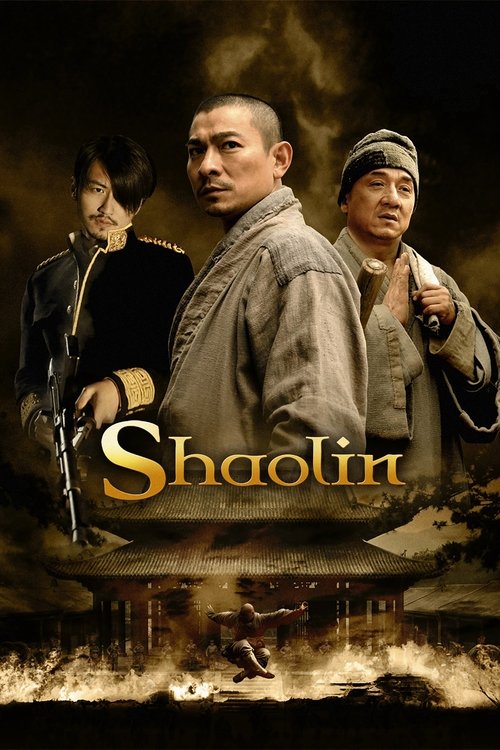
2011
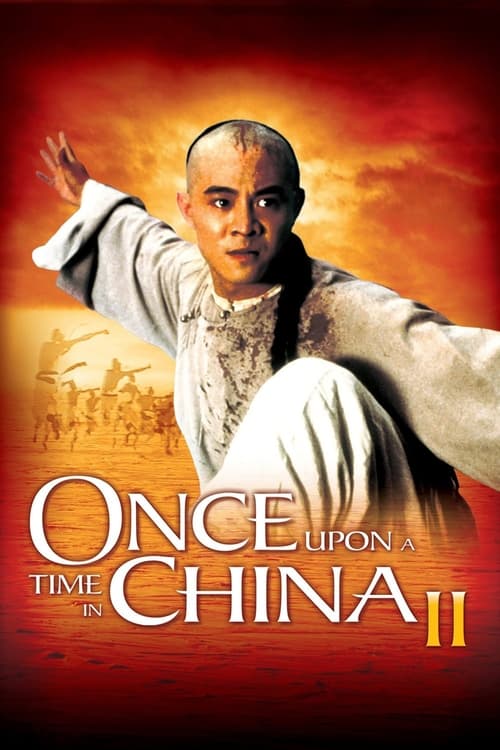
1992

2025
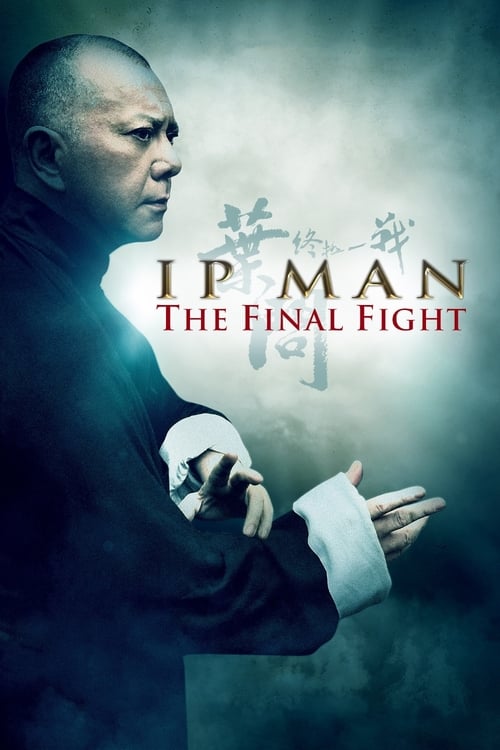
2013
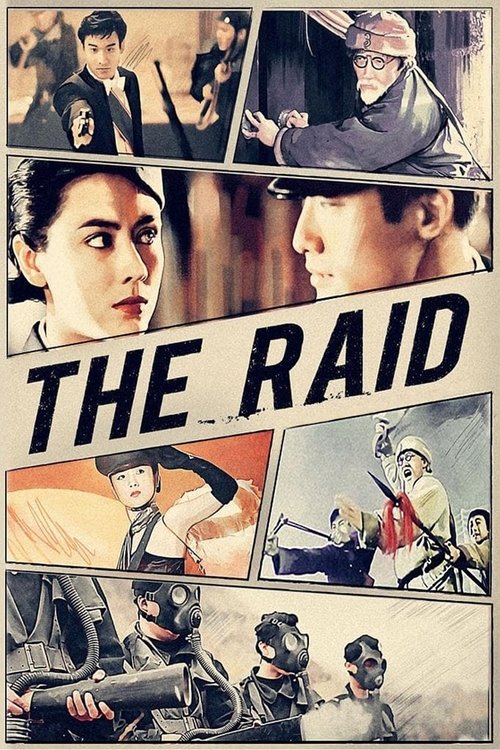
1991
No reviews yet. Be the first to share your thoughts on this movie!
Use the rating form above to leave a star rating and optional review.