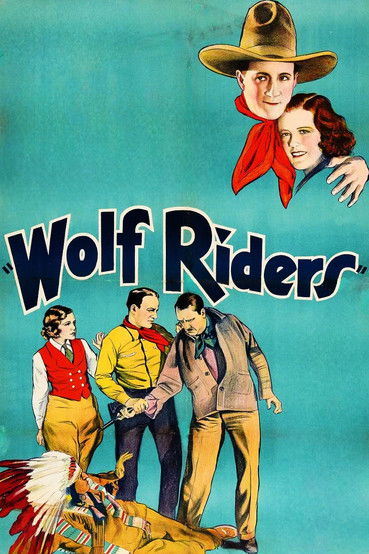
Wolf Riders
1935
No user ratings available yet
Diversity score: 2.1 out of 10
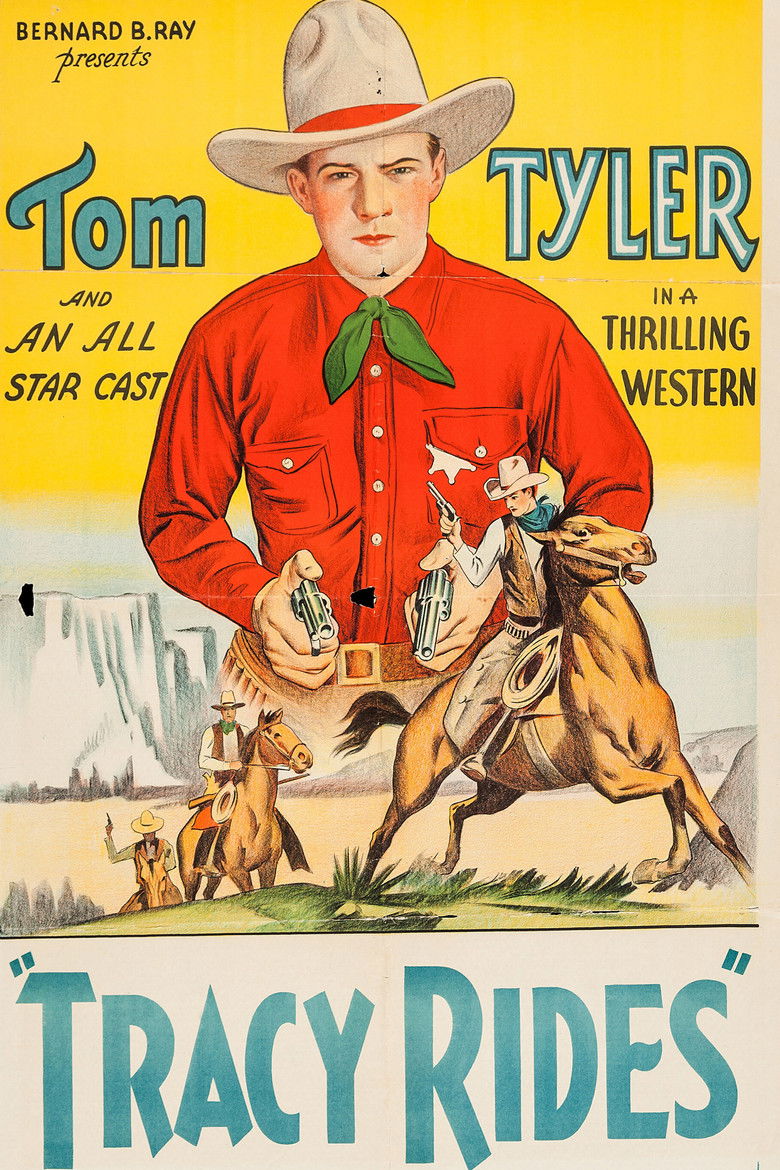
1935
ApprovedDirector
Harry S. Webb
Runtime
60 minutes
Average Rating
No ratings yetSynopsis
Sheriff Tom Tracy is summoned to the sheep camp where he finds Old Man Jenkins fatally wounded and, with his dying breath, accuses Ned Hampton, brother of the girl to whom Tom is engaged, of having shot him in the back.
Overall Score
Limited
Category Breakdown
LGBTQ+ Representation
The film lacks LGBTQ+ characters or narratives that challenge heteronormativity. The plot centers on a traditional engagement between the protagonist and a female character.
Gender Representation
Male agency drives the story through the Sheriff and the accused. The female lead's role is defined by her relationship to the men rather than independent agency.
Racial & Ethnic Diversity
The narrative likely reflects the homogeneous demographic norms of 1930s Westerns. It lacks evidence of diverse casting or non-white protagonists.
Religious & Cultural Diversity
The story reinforces traditional Western institutions and legal authority. It focuses on moral clarity and the sanctity of a dying man's accusation.
Disability Representation
There is no information regarding the depiction of physical, neurodivergent, or mental health conditions in the film.
Strengths
Areas for Improvement
AI Analysis
Tracy Rides is a standard 1930s Western that adheres to the era's established social hierarchies. The plot follows a conventional structure where a male lawman serves as the primary driver of justice and conflict resolution. The film lacks intersectional character development or any subversion of power dynamics. It relies on traditional genre tropes, focusing on a singular moral framework and a heteronormative romantic setup. Ultimately, the production reflects the limited demographic and narrative complexity typical of early Hollywood Westerns, prioritizing Anglo-Saxon protagonists and traditional institutional authority.
1935
1930
1934
1931
1925

1939
1929
1935
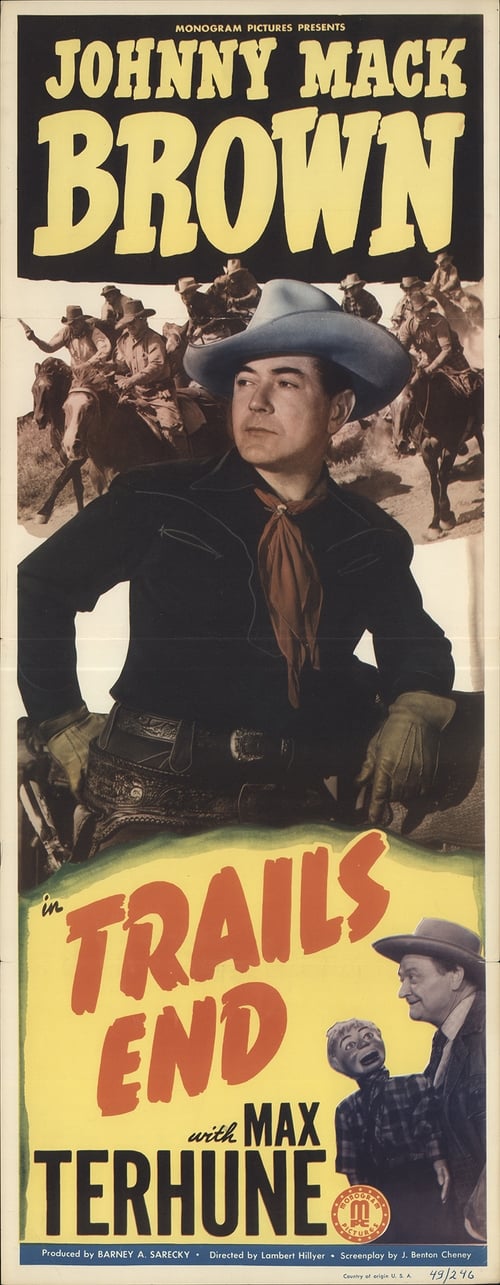
1949
1919
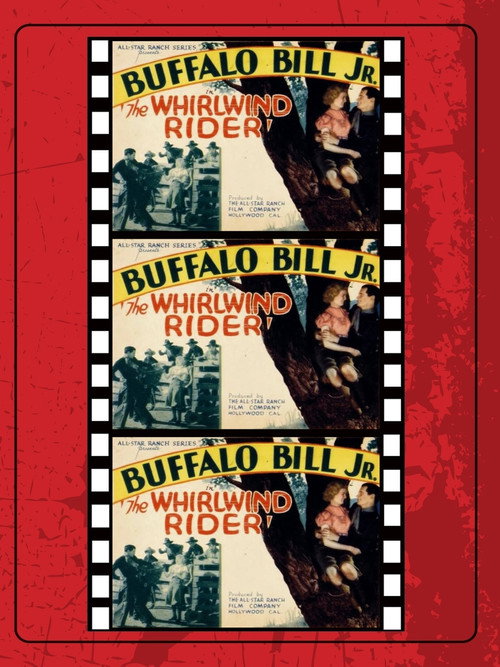
1934
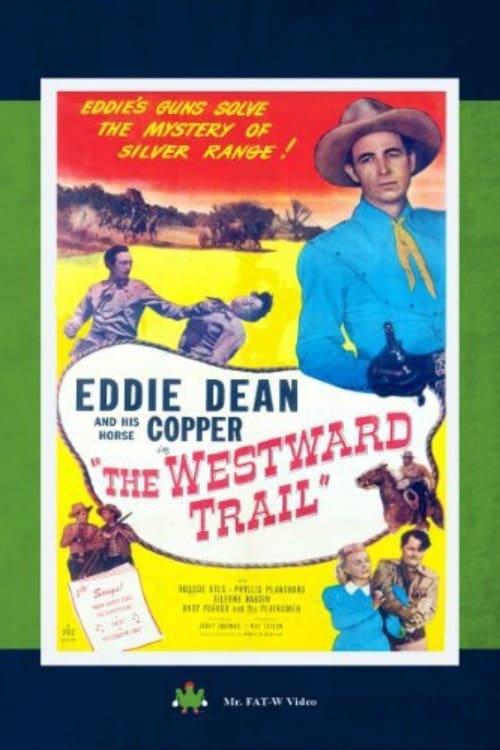
1948
No reviews yet. Be the first to share your thoughts on this movie!
Use the rating form above to leave a star rating and optional review.