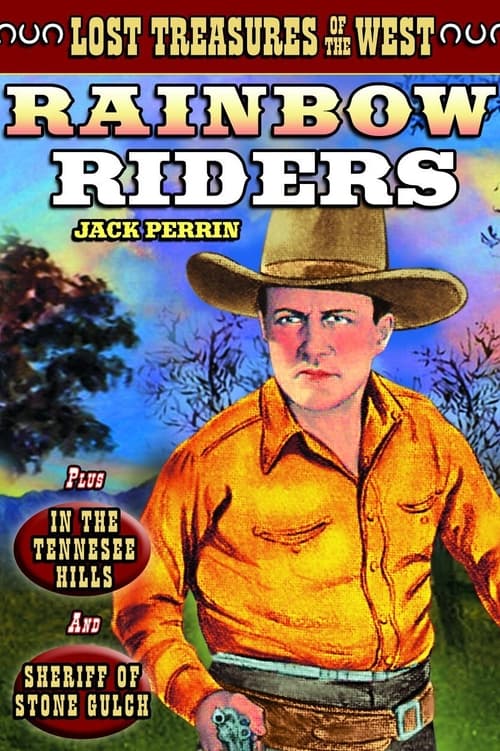
Rainbow Riders
1934
No user ratings available yet
Representation score: 1.1 out of 10
Representation Score
Minimal
1931
PassedDirector
Harry S. Webb
Runtime
56 minutes
Average Rating
No ratings yetNew Showbiz Analysis
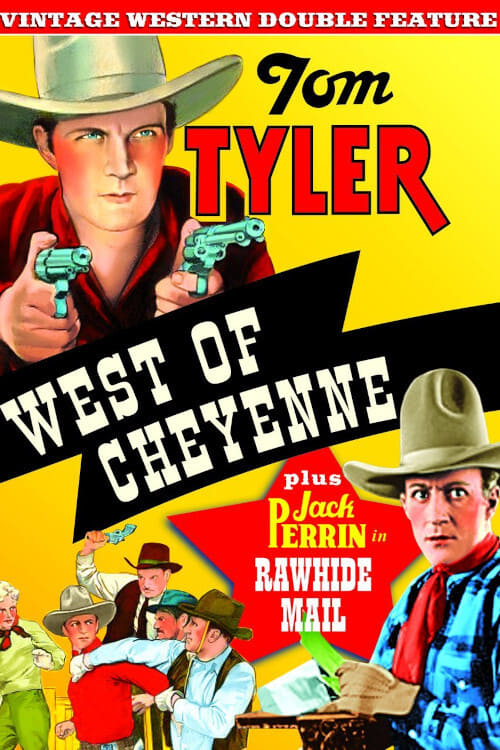
West of Cheyenne is a classic early 1930s Western that emphasizes traditional genre conventions over social diversity. The story revolves around male-centric conflicts and focuses on a protagonist’s quest to clear his father’s name using masculine archetypes of outlaws and lawmen. The film reinforces the social and narrative norms of its era. It does not disrupt conventional expectations regarding race, gender, or identity, instead relying on the homogeneous demographic norms of the early sound era. Ultimately, the film serves as a standard genre piece. It leans on established moral binaries and masculine camaraderie without offering a diverse or subversive perspective.
Category Breakdown
The film does not depict any non-binary gender identities or same-sex relationships. It adheres to the assumption that everyone is straight or cisgender, which was common in 1930s cinema.
Male characters play the primary roles in the story, with no female characters having significant control over the narrative. Female characters do not challenge traditional gender hierarchies.
The story focuses on Anglo-Saxon archetypes typical of the early sound era. It does not include any characters from diverse racial or ethnic backgrounds.
The plot follows a standard quest-for-justice arc within a traditional Western framework. Moral binaries are presented through a conventional lens of justice and deception.
There are no characters with visible or invisible disabilities in the film. The narrative does not include any representation of individuals with disabilities.
Present on Screen
Limited or Absent
Official Synopsis
With his father accused of murder, Tom heads after the real murderer who lives in a town of outlaws where no one is allowed in or out. To gain entry he poses as an escaping outlaw with his sidekick Banty posing as the pursuing lawman. This lets Tom join the gang but there is trouble later when Banty gets caught and sentenced to die.
1934
1934
1935
1929
1933
1931
1948

1930
No reviews yet. Be the first to share your thoughts on this movie!
Use the rating form above to leave a star rating and optional review.