
Border Phantom
1937
No user ratings available yet
Representation score: 0.7 out of 10

Representation Score
Minimal
1935
ApprovedDirector
Harry S. Webb
Runtime
57 minutes
Average Rating
No ratings yetNew Showbiz Analysis
The Laramie Kid is a typical 1930s B-movie Western that relies on well-worn genre clichés. The narrative emphasizes traditional social hierarchies and conventional romantic pairings, offering little in the way of social subversion. While Peggy plays an active role in proving Tom's innocence, the film remains anchored in the gendered archetypes of the era. Overall, the film lacks the intentionality needed to provide perspectives that reflect multiple aspects of identity, functioning instead as a period-appropriate crime and adventure piece.
Category Breakdown
The film focuses on a traditional romance between Tom and Peggy, without any representation of LGBTQ+ identities or critiques of the assumption that everyone is straight or cisgender.
Peggy takes a proactive role by trying to prove Tom's innocence, but the story remains centered around the male protagonist and his journey.
The cast appears to be predominantly white, reflecting the homogeneous nature of 1930s Westerns. There is no indication of diverse racial backgrounds or complex non-Anglo-Saxon ability to act.
The story follows traditional Western morality and legal systems, focusing on individual struggles with the law without challenging broader cultural norms.
There is no mention of characters with physical, sensory, or neurodivergent disabilities in the provided context.
Present on Screen
Limited or Absent
Official Synopsis
When Morley has his own bank robbed, Tom tries to break it up. Mistaken for one of the gang, he is caught and sentenced to a chain gang. His girlfriend Peggy then sets out to prove his innocence.
1937
1935
1935
1940
1932
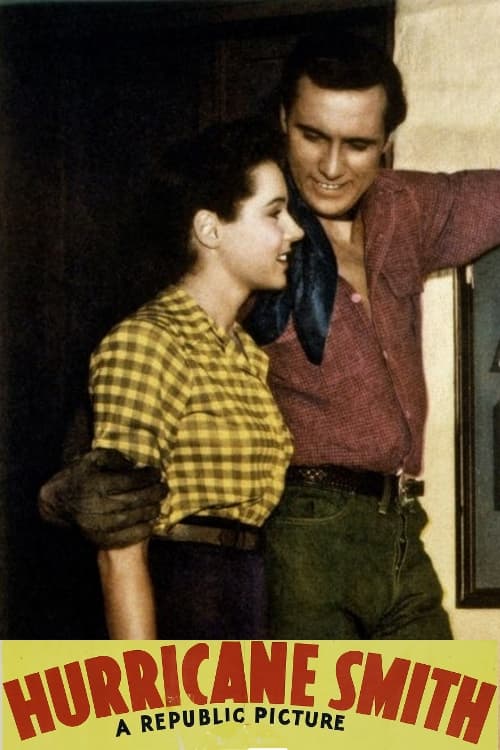
1941
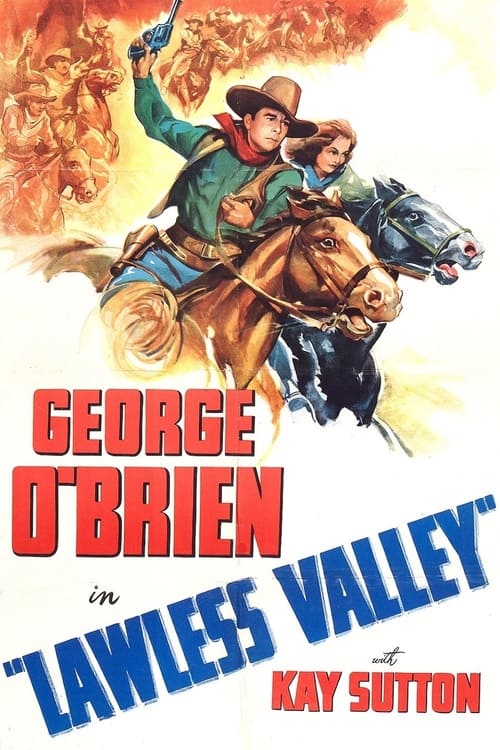
1938
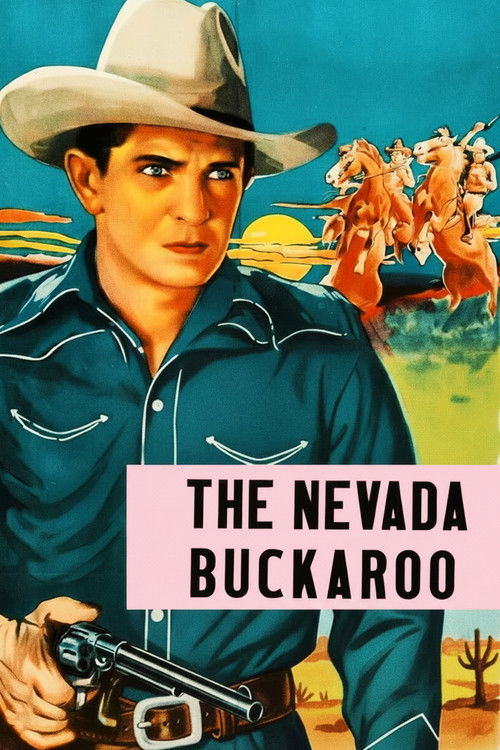
1931
No reviews yet. Be the first to share your thoughts on this movie!
Use the rating form above to leave a star rating and optional review.