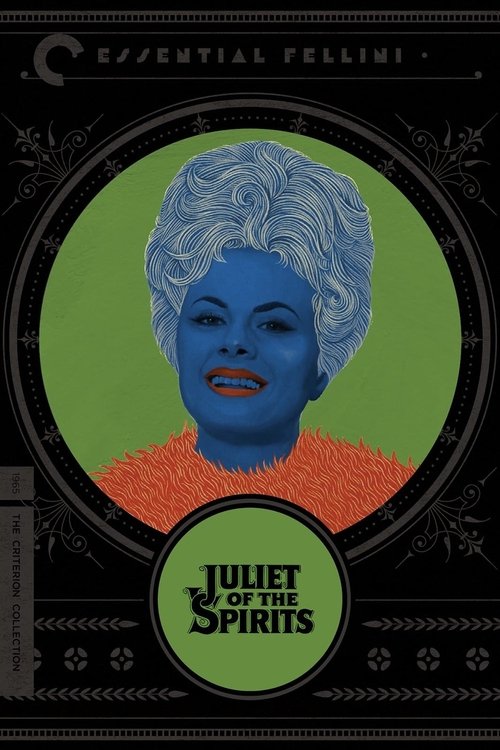
Juliet of the Spirits
1965
No user ratings available yet
Representation score: 6.2 out of 10
Representation Score
Fair
1963
NRDirector
Federico Fellini
Runtime
139 minutes
Average Rating
No ratings yetNew Showbiz Analysis
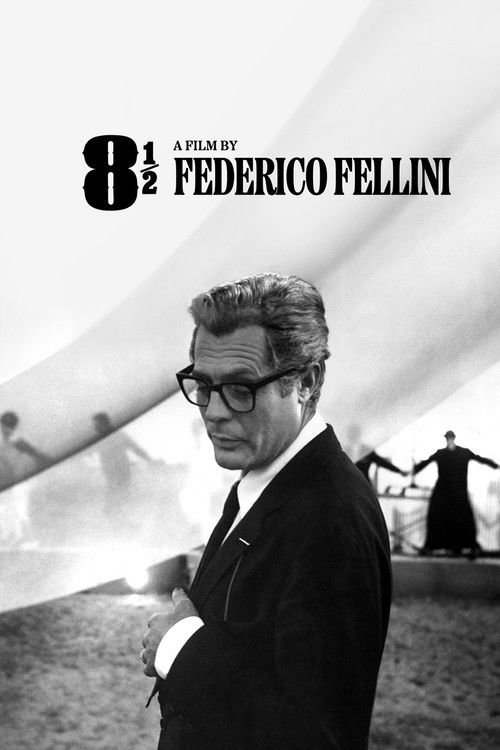
8½ is a masterwork of psychological surrealism that prioritizes the inner world of its protagonist over broad social contexts. It successfully deconstructs traditional gender roles and religious authority, offering a nuanced critique of patriarchal competence and institutional weight. However, the film is limited by its narrow focus on a specific Mediterranean social class and assumptions about straight relationships. The lack of LGBTQ+ and racial diversity keeps the narrative confined to the social norms of its time. Ultimately, the film's strength lies in its subversion of domestic and religious clichés, even as it remains a deeply insular exploration of a single man's neuroses.
Category Breakdown
The film centers around the heterosexual concerns of its male lead. Desire is shown only through the male lead's attraction to women, and there is no representation of LGBTQ+ identities.
Guido's wife and mistress are portrayed as complex, demanding figures rather than typical domestic roles. The film challenges traditional masculinity by showing the protagonist as indecisive and emotionally unstable.
The cast remains largely uniform, representing a specific Mediterranean intellectual class. There is no indication of intentional ethnic diversification among the actors.
The narrative dismantles institutional authority, depicting the Catholic Church and marriage as sources of psychological pressure. It emphasizes individual liberation over traditional societal structures.
The film examines mental instability and existential crises through Guido's psychological detachment. However, these elements are often used as stylistic tools for surrealism rather than providing meaningful character development.
Present on Screen
Limited or Absent
Official Synopsis
Guido Anselmi, a film director, finds himself creatively barren at the peak of his career. Urged by his doctors to rest, Anselmi heads for a luxurious resort, but a sorry group gathers—his producer, staff, actors, wife, mistress, and relatives—each one begging him to get on with the show. In retreat from their dependency, he fantasizes about past women and dreams of his childhood.
1965
1969
1957
1948
1960
1984
1961

1963
No reviews yet. Be the first to share your thoughts on this movie!
Use the rating form above to leave a star rating and optional review.