Long Day's Journey Into Night
1962
No user ratings available yet
Representation score: 4.7 out of 10
Representation Score
Fair
1984
RDirector
John Huston
Runtime
112 minutes
Average Rating
No ratings yetNew Showbiz Analysis
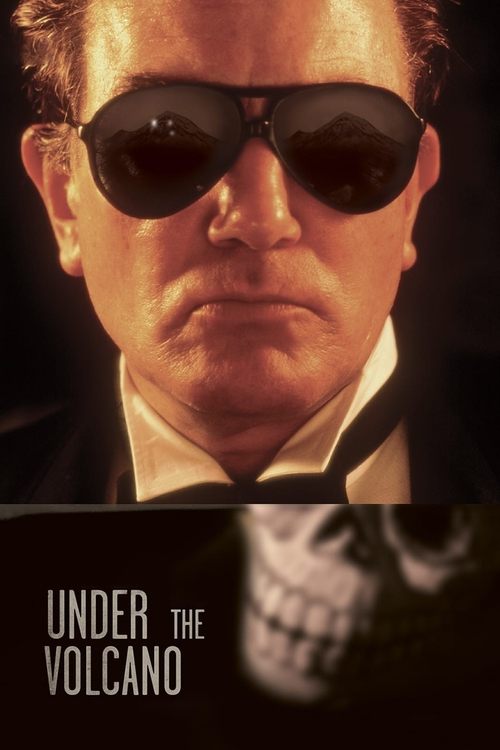
Under the Volcano is a detailed character study that emphasizes psychological breakdown over broad social issues. It successfully dismantles traditional masculine authority by depicting a protagonist defined by decline rather than strength. However, the film maintains a Eurocentric viewpoint. Although the Mexican setting adds atmosphere, the narrative focuses almost exclusively on the inner lives of Western expatriates, relegating local populations to cultural context. Ultimately, the film's narrow focus on a specific demographic and its absence of LGBTQ+ representation limits its layered approach to diversity, despite its nuanced exploration of addiction and moral ambiguity.
Category Breakdown
The story centers on the troubled heterosexual relationship between Geoffrey and Yvonne. There are no characters with non-traditional gender identities or critiques of heterosexuality.
Geoffrey challenges traditional masculinity through his deep instability and addiction. Yvonne asserts herself by trying to manage the chaos caused by her husband's breakdown.
The Mexican setting and Day of the Dead traditions create an atmospheric backdrop, but the narrative primarily follows British expatriates. Local characters serve as cultural context rather than central figures.
Religious rituals are used to highlight personal chaos rather than moral guidance. The film questions Western institutions through the protagonist's self-destruction.
Alcoholism is shown as a harsh psychological and physical condition. The film avoids inspirational themes, presenting addiction as a raw, destructive force.
Present on Screen
Limited or Absent
Official Synopsis
Against a background of war breaking out in Europe and the Mexican fiesta Day of Death, we are taken through one day in the life of Geoffrey Firmin, a British consul living in alcoholic disrepair and obscurity in a small southern Mexican town in 1939. The consul's self-destructive behaviour, perhaps a metaphor for a menaced civilization, is a source of perplexity and sadness to his nomadic, idealistic half-brother, Hugh, and his ex-wife, Yvonne, who has returned with hopes of healing Geoffrey and their broken marriage.
1962
1954
1976

1964
1992

1977
1998
1967
No reviews yet. Be the first to share your thoughts on this movie!
Use the rating form above to leave a star rating and optional review.