The Two Faces of Love
1972
No user ratings available yet
Representation score: 7.5 out of 10
Representation Score
Fair
1954
NRDirector
Federico Fellini
Runtime
115 minutes
Average Rating
No ratings yetNew Showbiz Analysis
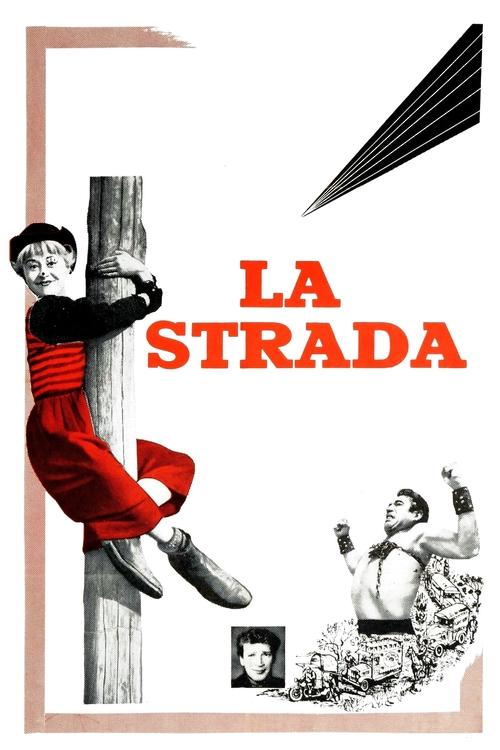
Federico Fellini’s masterpiece prioritizes existential and spiritual inquiry over modern demographic representation. It functions as a poetic deconstruction of power, using the tension between material brutality and spiritual transcendence to drive its narrative. While the film operates within the socio-historical constraints of 1950s Italy, it remains subversive. It challenges traditional masculine archetypes by portraying them as emotionally stunted and hollow, even while maintaining a traditional social structure. The work excels at exploring the dehumanizing effects of poverty and the itinerant lifestyle. It uses character archetypes to examine how economic desperation can erode empathy and moral cohesion.
Category Breakdown
The film does not include any LGBTQ+ characters or non-straight relationships.
The story centers around a rigid gender hierarchy where Zampanò embodies extreme masculinity. However, Gelsomina’s spiritual resilience offers a critique of this emotional hardness.
Set in post-war Italy, the cast is relatively uniform, focusing on socioeconomic class rather than racial identity.
The film critiques dehumanizing economic survival and explores existential spirituality. It emphasizes individual moral relativism and poetic mysticism over formal religious institutions.
Il Matto is portrayed with ability to act and a non-conformist perspective that challenges the grim reality.
Present on Screen
Limited or Absent
Official Synopsis
When Gelsomina, a naïve young woman, is purchased from her impoverished mother by brutish circus strongman Zampanò to be his wife and partner, she loyally endures her husband's coldness and abuse as they travel the Italian countryside performing together. Soon Zampanò must deal with his jealousy and conflicted feelings about Gelsomina when she finds a kindred spirit in Il Matto, the carefree circus fool, and contemplates leaving Zampanò.
1972

1958
1957

1957
1993
1970

1964
1965
No reviews yet. Be the first to share your thoughts on this movie!
Use the rating form above to leave a star rating and optional review.