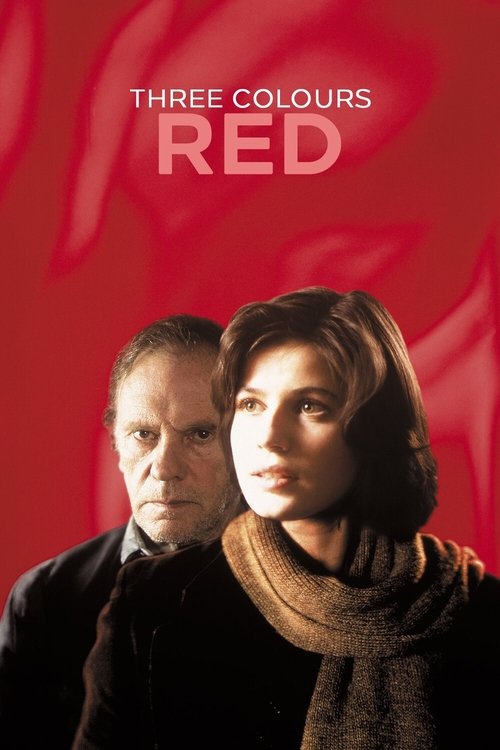
Three Colors: Red
1994
No user ratings available yet
Representation score: 5.9 out of 10

Representation Score
Fair
1993
RDirector
Krzysztof Kieślowski
Runtime
98 minutes
Average Rating
No ratings yetNew Showbiz Analysis
Krzysztof Kieślowski’s drama is a deeply intentional character study that prioritizes psychological depth over demographic breadth. It succeeds by centering a female protagonist's journey toward self-actualization, moving beyond traditional domestic narratives to explore autonomy. However, the film is limited by its narrow demographic scope. The lack of LGBTQ+ representation and the predominantly white, localized French setting result in low scores for racial and queer diversity. Ultimately, the film trades broad social representation for a concentrated, nuanced look at the human condition, specifically through the lens of women's ability to drive the story and the complexities of grief.
Category Breakdown
The film does not include any LGBTQ+ characters or non-binary identities. The story focuses solely on the protagonist's heterosexual past and her subsequent isolation.
The film centers entirely on a woman's internal psychological journey. It challenges traditional gender roles by prioritizing Julie's pursuit of emotional autonomy over her domestic responsibilities.
Set in France, the film features a predominantly white cast. While it avoids racial stereotypes, it lacks diverse representation and multicultural elements.
The story explores moral relativism and the ethics of human connections. It deconstructs the sanctity of the nuclear family through a secular, personal perspective.
There are no physical disabilities depicted. Instead, the film explores invisible psychological trauma and the sensory experience of profound grief.
Present on Screen
Limited or Absent
Official Synopsis
The wife of a famous composer survives a car accident that kills her husband and daughter. Now alone, she shakes off her old identity and explores her newfound freedom but finds that she is unbreakably bound to other humans, including her husband’s mistress, whose existence she never suspected.
1994

1995
2001
1985

1984

1999
2008

2021
No reviews yet. Be the first to share your thoughts on this movie!
Use the rating form above to leave a star rating and optional review.