La mujer que no tuvo infancia
1957
No user ratings available yet
Representation score: 4.3 out of 10
Representation Score
Fair
1975
RDirector
Mauro Bolognini
Runtime
110 minutes
Average Rating
No ratings yetNew Showbiz Analysis
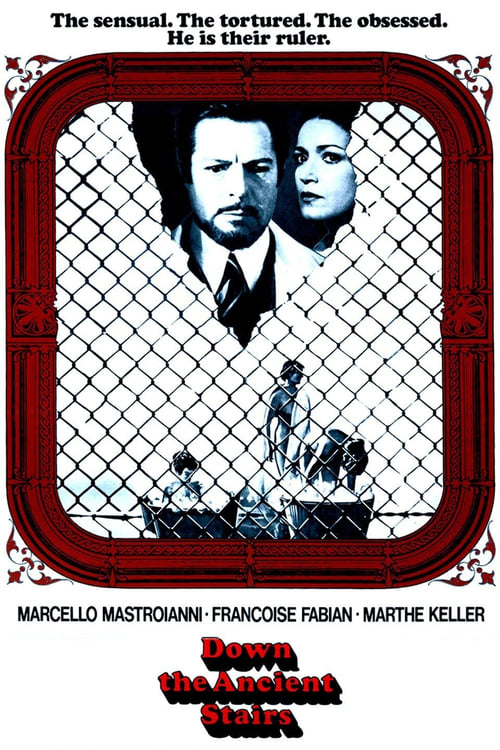
Down the Ancient Stairs is a psychological drama centered on the fragility of patriarchal control in a 1930s psychiatric institution. The film's strength lies in its intellectual tension, specifically how a female trainee challenges the established hierarchy and professional theories of the male lead. However, the narrative relies on traditional clichés, particularly regarding the sexualization of women. The story lacks depth in representing LGBTQ+ identities and racial diversity, remaining confined to a homogeneous European setting. Ultimately, the film succeeds as a character study of power and instability, but it treats mental health as a clinical subject rather than a platform for patient empowerment.
Category Breakdown
The film does not include any characters with LGBTQ+ identities or non-cisgender narratives. The central conflict revolves around heterosexual relationships and traditional romance.
The movie highlights gendered power dynamics through Anna, who challenges the male-dominated authority. However, several female characters are defined mainly by their sexual availability to the male lead.
The cast is predominantly white and reflects the historical context of 1930s Tuscany. There is no indication of significant racial diversity or blending.
The story questions institutional authority by examining the subjective nature of madness. It explores the tension between established professional orders and the perspectives of newcomers.
The film sets its narrative in a mental hospital where patients serve as a backdrop for the staff's psychological struggles. The focus remains on medical theory rather than the patients' personal experiences.
Present on Screen
Limited or Absent
Official Synopsis
A mental hospital somewhere in Tuscany during the thirties. Far away from fascism, this closed world is rules over by Dr. Bonaccorsi, a passionate benevolent psychiatrist whose dream is to isolate the germ of madness. He is also a very active ladies'man and makes three women benefit from his sexual itch: Francesca the hospital manager's wife, Bianca, his devoted nurse and Carla, a nymphomaniac doctor's wife. His well-ordered universe starts being challenged with the coming of Anna, a trainee psychiatrist, who disapproves of his theory on the origin of madness. Worse, she resists his advances. As Bonaccorsi is more insecure than he looks, what will become of him?
1957
1976
1955
1961
1968
1977
1969
1980
No reviews yet. Be the first to share your thoughts on this movie!
Use the rating form above to leave a star rating and optional review.