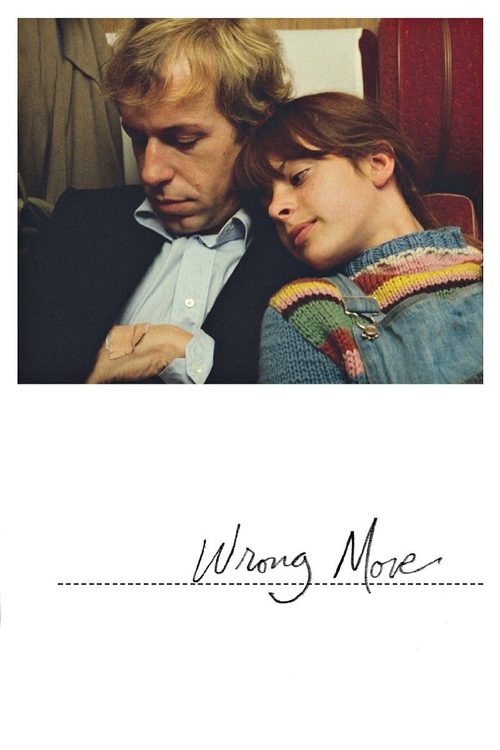
Wrong Move
1975
No user ratings available yet
Representation score: 4.8 out of 10
Representation Score
Fair
1975
NRDirector
Wim Wenders
Runtime
101 minutes
Average Rating
No ratings yetNew Showbiz Analysis
Wim Wenders' 1975 film is a reflective study of existential alienation that prioritizes psychological depth over broad demographic representation. It successfully challenges traditional masculine strength by presenting a protagonist defined by vulnerability and instability. However, the film's narrow cultural perspective limits its representation of racial, ethnic, or LGBTQ+ identities. The homogeneous cast reflects its specific European context, offering minimal diversity. Ultimately, the film provides a sophisticated exploration of postmodern isolation, focusing on individualistic, existentialist subjectivity rather than multi-layered variety.
Category Breakdown
The film does not explicitly include LGBTQ+ identities or relationships focused on sexual orientation. A brief interaction with a cinema attendant emphasizes human connection over sexual orientation.
The protagonist challenges traditional masculine strength by showing psychological instability and weakness. However, female characters play minor roles in the environment rather than having their own choices.
The cast and setting are predominantly European and homogeneous, lacking representation of racial or ethnic diversity.
Wenders critiques modern institutional pressures and the absurdity of specialized roles. The narrative emphasizes existentialist subjectivity over traditional religious or moral beliefs.
The film depicts a profound psychological crisis as a metaphor for mental fragmentation. It does not explore the experiences of individuals with disabilities.
Present on Screen
Limited or Absent
Official Synopsis
Goalkeeper Josef Bloch is sent off after committing a foul during an away game. This causes him to lose his bearings, and he wanders aimlessly through the city streets and spends the night with the box-office attendant of a movie theatre.
1975
1976
1974
1994
1972
1970
2012
1968
No reviews yet. Be the first to share your thoughts on this movie!
Use the rating form above to leave a star rating and optional review.