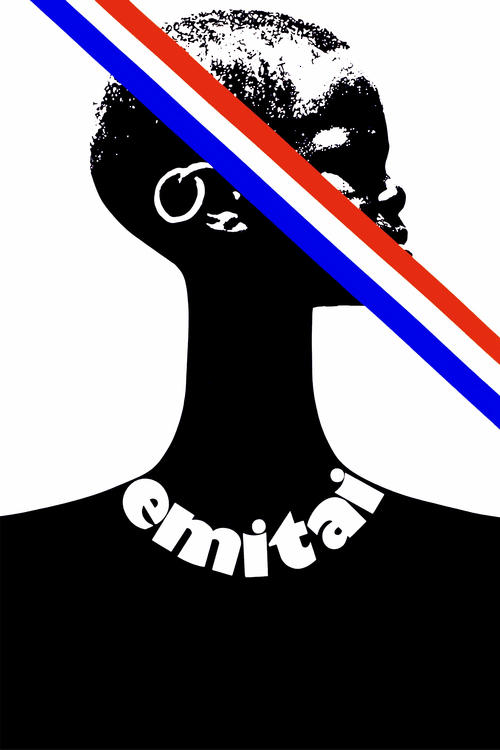
Emitaï
1973
No user ratings available yet
Representation score: 4.8 out of 10

Representation Score
Good
1989
Director
Raymond Rajaonarivelo
Runtime
85 minutes
Average Rating
No ratings yetNew Showbiz Analysis
Tabataba is a powerful post-colonial drama that shifts the cinematic lens away from the colonizer towards the indigenous Malagasy experience. By centering the MDRM political movement and the local village struggle, the film grants a significant role in driving the story to its ethnic cast. However, the film operates within certain traditional constraints. While it challenges traditional war clichés by emphasizing the suffering of non-combatant women, it lacks specific representation for LGBTQ+ identities and neurodivergent characters. Ultimately, the film's strength lies in its cultural critique of French colonial repression, providing a necessary historical perspective that challenges Western imperial narratives.
Category Breakdown
The film does not explicitly depict LGBTQ+ identities or relationships outside of heterosexual norms. However, it centers on the communal bonds within the Malagasy village.
Men dominate the political action, but the film highlights the systemic vulnerability of women such as Bakanga. It challenges the traditional war clichés by emphasizing the suffering of non-combatant women.
The film provides high ability to act to characters of color by focusing on the indigenous Malagasy population. It avoids Eurocentric norms by highlighting the localized struggles against French colonial forces.
The story critiques Western colonial institutions by prioritizing the perspective of the colonized. It frames the independence struggle as a response to foreign intervention.
The narrative mentions victims suffering from famine and illness, but it is unclear if these are specific characters with ability to act. The depiction remains a generalized element of the tragedy.
Present on Screen
Limited or Absent
Official Synopsis
Tabataba tells the story of a small Malagasy village during the independence uprising which took place in 1947 in the south of the country. For several months, part of the Malagasy population revolted against the French colonial army in a bloody struggle. The repression in villages that followed was terrible, leading to fires, arrests and torture. Women, children and the elderly were the indirect victims of the conflict and suffered particularly from famine and illness. One leader of the MDRM Malagasy Party, which campaigns for the independence of the country, arrives in a village. Solo (François Botozandry), the main character, is still too young to fight but he sees his brother and most of the men in his clan join up. His grandmother, Bakanga (Soavelo), knows what will happen, but Solo still hopes his elder brother will return a hero. After months of rumours, he sees instead the French army arrive to crush the rebellion.
1973

2011
1962
1966

1958
2001
1983
2022
No reviews yet. Be the first to share your thoughts on this movie!
Use the rating form above to leave a star rating and optional review.