A Dance for Heroes
1989
No user ratings available yet
Representation score: 6.7 out of 10
Representation Score
Fair
2004
UnratedDirector
Ousmane Sembène
Runtime
124 minutes
Average Rating
No ratings yetNew Showbiz Analysis
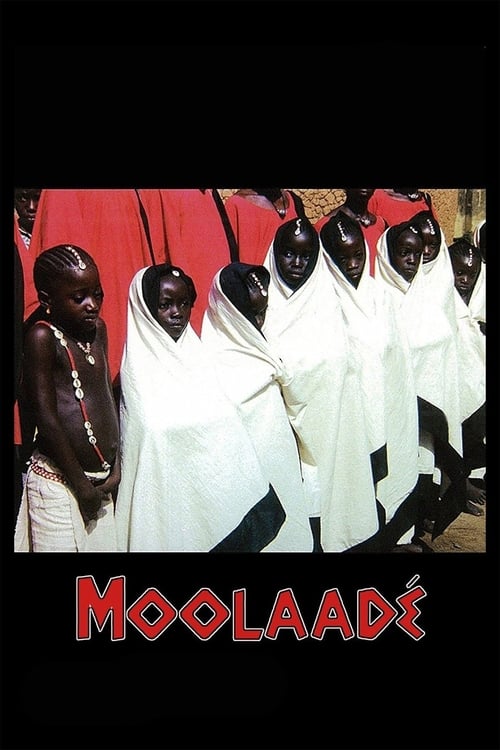
Ousmane Sembène’s Moolaadé is a powerful exploration of the tension between tradition and personal freedom. By focusing on women resisting systemic oppression, the film challenges traditional gender hierarchies and promotes bodily autonomy. The film excels in its authentic portrayal of West African life, offering a perspective that resists Western-centric clichés. It treats local identity with depth, providing a sophisticated critique of how communal traditions can perpetuate systemic harm. While the film is a masterful example of gender and racial representation, it lacks LGBTQ+ characters and does not feature characters defined by disability.
Category Breakdown
The film focuses solely on gender-related issues within a specific community and does not include any LGBTQ+ characters or non-cisgender identities.
The film critiques patriarchal structures by highlighting women who take active roles in reclaiming their bodily autonomy. The protagonist and others seeking sanctuary drive the plot against male authority.
This important West African film offers an authentic look at village life, avoiding Western stereotypes by presenting complex, non-Anglo-Saxon socioeconomic and communal structures.
The film challenges traditional institutions by showing certain customary practices as oppressive. It prioritizes individual rights over the preservation of harmful historical norms.
While the film addresses physical trauma and bodily harm, it lacks characters whose primary storylines are defined by disability or neurodivergence.
Present on Screen
Limited or Absent
Official Synopsis
When a woman shelters a group of girls from suffering female genital mutilation, she starts a conflict that tears her village apart.
1989

2000

2001

2016
2014
1994
2004

2017
No reviews yet. Be the first to share your thoughts on this movie!
Use the rating form above to leave a star rating and optional review.