The Hero
2004
No user ratings available yet
Representation score: 6.5 out of 10
Representation Score
Fair
1986
Director
João Botelho
Runtime
85 minutes
Average Rating
No ratings yetNew Showbiz Analysis
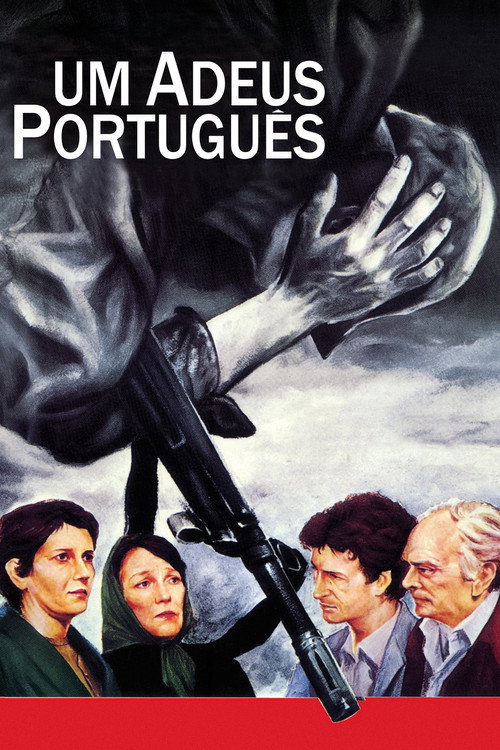
João Botelho’s work serves as a contemplative critique of historical power dynamics. Instead of focusing on the mechanics of combat, the film examines the systemic and psychological consequences of colonial expansion. It shifts the perspective from the battlefield to the domestic fallout of war. The film's strength lies in its ability to deconstruct romanticized colonial ideals through themes of memory and loss. By focusing on the passage of time and the 'farewell,' it interrogates the human cost of Western institutional legacies. However, the film lacks visible representation for LGBTQ+ identities and disability. While it provides a strong critique of national identity and colonial structures, these specific demographic portrayals are absent from the narrative.
Category Breakdown
The film does not include explicit depictions of LGBTQ+ characters or non-assuming gender matches what was assigned at birth identities. The narrative focuses on familial connections and the aftermath of colonial conflict.
By shifting from the battlefield to the domestic sphere, the film moves away from purely masculine combat clichés. It highlights the emotional labor and active roles of those left behind during the mourning process.
Set in an African colonial context, the film confronts racial hierarchies and the tension between colonizer and colonized. This approach challenges monolithic, heroic depictions of empire through the lens of systemic instability.
The film offers a sophisticated post-colonial critique by juxtaposing colonial violence with post-war Portuguese life. It deconstructs nationalistic myths by prioritizing the human cost of empire over patriotic fervor.
There is no evidence regarding the portrayal of physical or neurodivergent disabilities within the narrative.
Present on Screen
Limited or Absent
Official Synopsis
In Africa, during the colonial war, a patrol is lost in the bush and a soldier dies in operation. Twelve years later, in Portugal, the soldier family meets in peace.
2004
1988

1987
2001
1988
2006

1973
2002
No reviews yet. Be the first to share your thoughts on this movie!
Use the rating form above to leave a star rating and optional review.