
Sambizanga
1973
No user ratings available yet
Representation score: 5.0 out of 10
Representation Score
Fair
1968
Director
Sarah Maldoror
Runtime
18 minutes
Average Rating
No ratings yetNew Showbiz Analysis
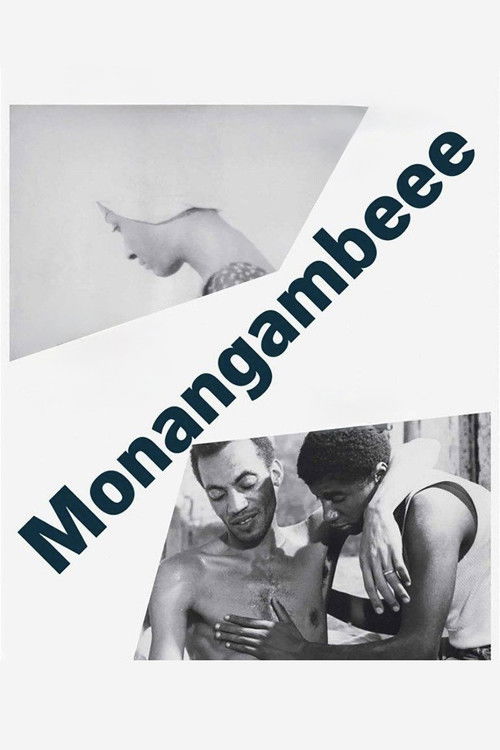
Monangambée is a seminal work of post-colonial cinema that challenges Western narrative structures. It succeeds by reclaiming ability to act for African subjects and subverting gendered expectations within revolutionary contexts. The film's strength lies in its intentionality, centering underrepresented identities and offering a sophisticated critique of systemic power. By framing the struggle against colonial authority as a pursuit of sovereignty, it disrupts conventional Western definitions of order. While the film excels in racial and gender representation, it lacks specific focus on LGBTQ+ identities or disability-centric narratives, focusing instead on the broader political struggle.
Category Breakdown
The film focuses on the collective struggle for national sovereignty and the personal toll of resistance. However, it does not depict any non-straight or non-cisgender identities.
The film challenges traditional hierarchies by centering a female protagonist in armed resistance. Women play a central role in driving the revolutionary movement, rather than being passive observers.
This landmark film featuring an all-Black cast highlights the African experience of decolonization. It uses a non-Western perspective to reclaim ability to act and dismantle the white gaze.
The film presents resistance as a necessary reclamation of sovereignty against oppressive Western colonial institutions and the Portuguese military. It is explicitly anti-colonial and anti-imperialist.
While the film addresses the physical and psychological trauma of torture, there is no specific portrayal of characters with disabilities.
Present on Screen
Limited or Absent
Official Synopsis
Filmmaker-griot coming from the theater, it was with a camera, while the war in Vietnam occupied everyone's minds, that Sarah Maldoror gave visibility to the African wars of decolonization: Angola, Guinea Bissau, French Guinea, Cape Verde... Her short film Monangambée addresses the torture by the Portuguese army of a sympathizer of the Angolan resistance. At the end of editing, Sarah Maldoror approached the members of the Art Ensemble of Chicago during a Parisian concert and offered to add sound to her film. The next day they watched the film, were convinced and recorded their first soundtrack for free as evidence of African-American solidarity. Shot in Algiers, Monangambée is a film about torture and, more broadly, about the incomprehension between the colonized and the colonizers. It is based on a novel by the Angolan writer Luandino Vieira, then imprisoned by the Portuguese colonial power.
1973
1964
1968
1966

1958

1989
1965
1986
No reviews yet. Be the first to share your thoughts on this movie!
Use the rating form above to leave a star rating and optional review.