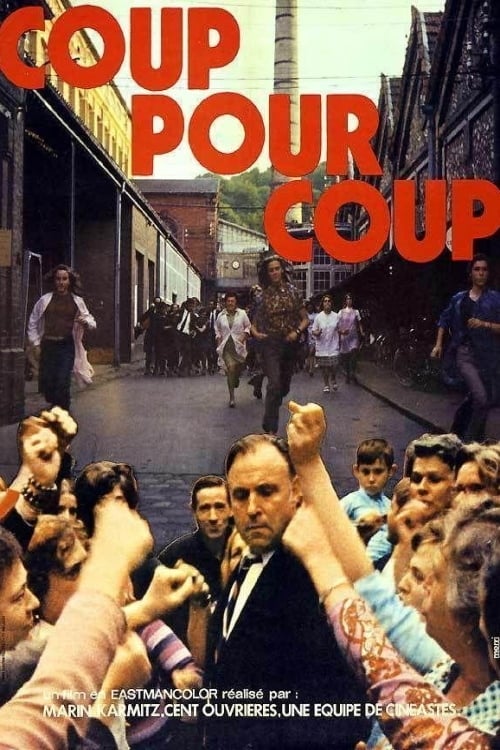
Blow for Blow
1972
No user ratings available yet
Representation score: 6.3 out of 10
Representation Score
Fair
1970
PGDirector
Jean-Louis Bertuccelli
Runtime
85 minutes
Average Rating
No ratings yetNew Showbiz Analysis
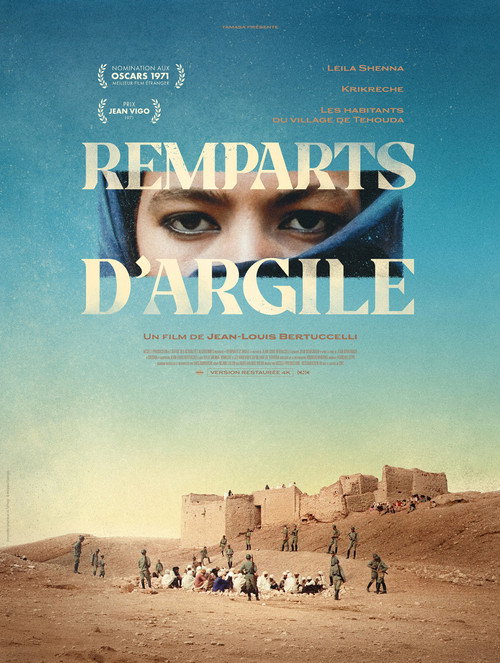
Ramparts of Clay is a work of social realism that centers on the intersection of class struggle and ethnic ability to act. By focusing on an Algerian salt mine strike, the film provides a sophisticated critique of institutional power and colonial-adjacent tensions. The film excels in its portrayal of underrepresented populations, particularly through its depiction of an Algerian workforce resisting external authority. This provides a necessary departure from Western-centric cinematic perspectives. While the film lacks representation for LGBTQ+ identities or disability, it compensates through strong gender subversion and cultural depth. The female protagonist's decisive role against masculine-coded violence elevates the narrative's social complexity.
Category Breakdown
The film does not include any LGBTQ+ characters or themes related to queer identities. The story focuses solely on labor disputes and colonial-era social structures.
A young woman plays a central role in resolving the plot. She takes control by using strategic maneuvers to counter military force.
The story centers on an Algerian village and a underrepresented workforce. This perspective shifts the focus away from Western-centric narratives toward ethnic ability to act.
The film prioritizes systemic critique by framing the struggle as workers against an oppressive owner and military. It emphasizes collective resistance over traditional authority.
There is no discernible information regarding the portrayal of physical or neurodivergent disabilities within the work.
Present on Screen
Limited or Absent
Official Synopsis
In a village on the edge of the Sahara, Rima, a 19-year-old orphan, dreams of learning, of discovering, of living free while the men of the salt mine go on strike. The authorities react by sending the army, Rima decides to help the strikers by trapping the soldiers. Co-produced with the Office des Actualités Algériens and shot in the region of Téhouda, 50 kilometers from Biskra, this Franco-Algerian film is fully part of the cinematographic heritage of both shores of the Mediterranean. Bertuccelli adopts the technique of cinema verite, with non-professional actors from the village itself, giving the film a striking documentary texture and a rare force of authenticity. Carried by the moving interpretation of Leila Shenna in the role of Rima, the actor Krikèche and lulled by the music of Taos Amrouche, the film questions female emancipation, social resistance and the relationship with the territory.
1972
1993
1963
1954

1988

1958
1970
1988
No reviews yet. Be the first to share your thoughts on this movie!
Use the rating form above to leave a star rating and optional review.