Diener lassen bitten
1936
No user ratings available yet
Representation score: 0.9 out of 10
Representation Score
Fair
1926
ALDirector
Frederic Zelnik
Average Rating
No ratings yetNew Showbiz Analysis
Die lachende Grille is a product of the Weimar Republic, an era marked by social fluidity and the dismantling of traditional values. While the historical context suggests a period of experimentation, the film itself does not provide clear evidence of progressive intentions. The production adheres to the standard demographic and genre conventions of 1926 German cinema. It reflects the cultural disruption of the era but does not offer verified contributions to characters who reflect more than one aspect of diversity. In essence, the film mirrors its time without being a catalyst for social change. It remains a typical example of mid-1920s comedic production.
Category Breakdown
Set during the Weimar era, known for its openness towards LGBTQ+ issues, this film does not include any specific LGBTQ+ characters or critiques of straight relationships.
This comedy likely features the 'New Woman' archetype typical of 1920s German cinema. It is unclear if the female characters have significant roles or intellectual depth compared to male characters.
The film follows the usual demographic makeup of 1926 German cinema, with no evidence of non-white or non-European actors.
The film's comedic nature may use satire to question traditional hierarchies. However, without any anti-Western or anti-capitalist themes, the cultural stance remains neutral.
There is no information about the portrayal of characters with physical or cognitive disabilities in this film.
Present on Screen
Limited or Absent
1936
1926
1938
1953
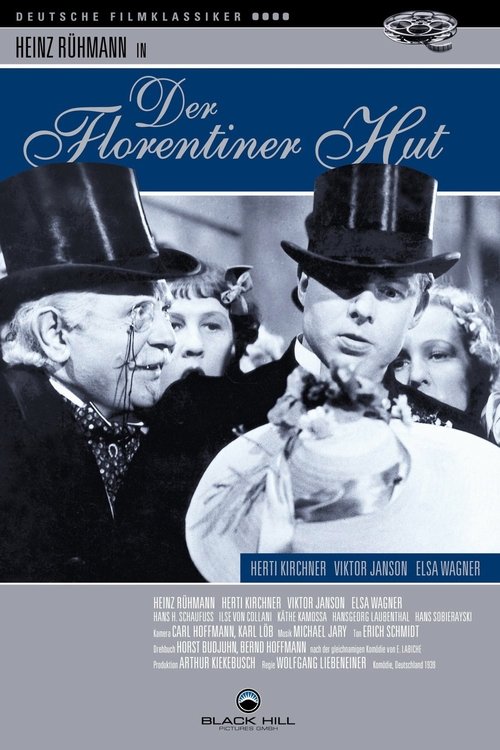
1939
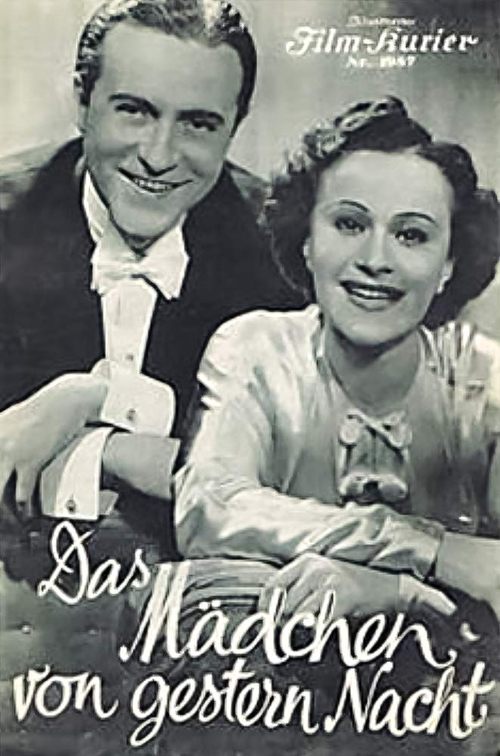
1938
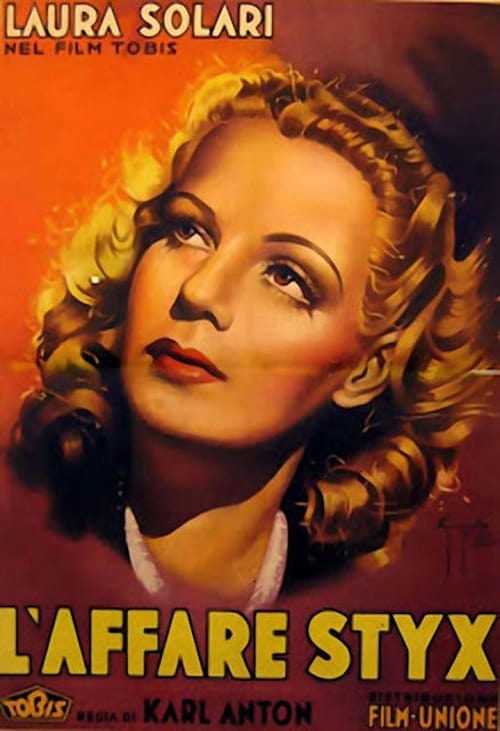
1942
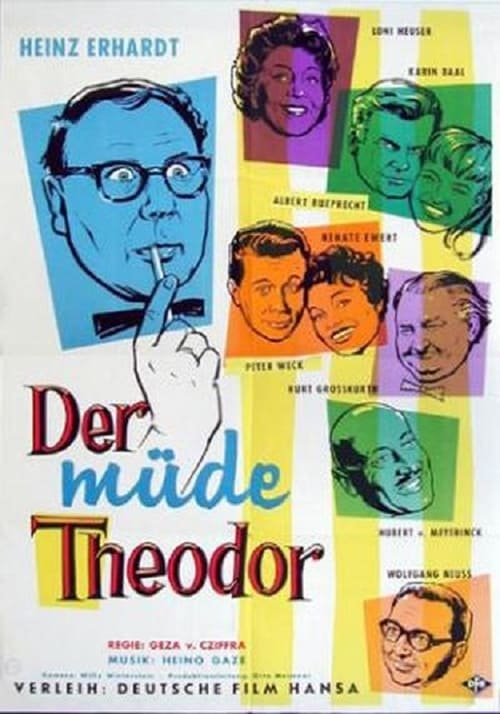
1957
No reviews yet. Be the first to share your thoughts on this movie!
Use the rating form above to leave a star rating and optional review.