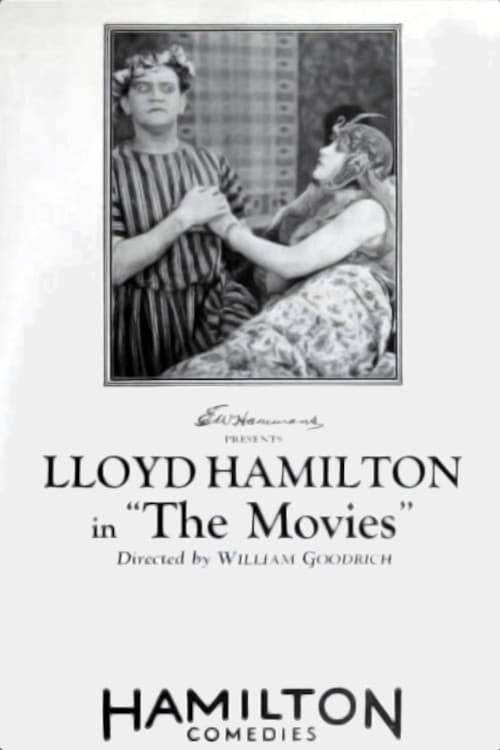
The Movies
1925
No user ratings available yet
Representation score: 0.8 out of 10
Representation Score
Minimal
1929
PassedDirector
James Cruze
Runtime
80 minutes
Average Rating
No ratings yetNew Showbiz Analysis
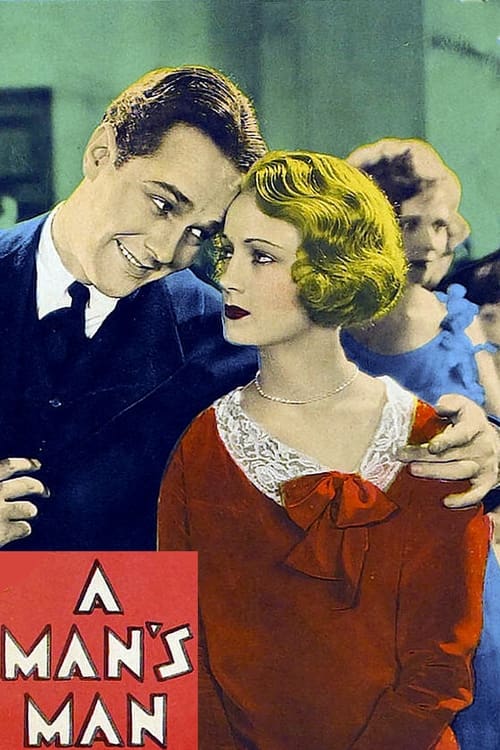
A Man's Man is a product of its time, following the conventional social and casting norms of late silent cinema. The narrative focuses on romantic stability and traditional social mobility, offering little in the way of complexity in how different parts of someone's identity might overlap. The film's storyline follows a predictable comedic arc centered around an aspiring actress marrying a working-class man. This adherence to established archetypes prevents the film from challenging gender or social hierarchies. Overall, the production lacks diverse representation across racial, cultural, and identity-based spectrums. It functions as a standard period piece that reinforces the status quo rather than challenging it.
Category Breakdown
The film does not include any characters with non-traditional gender identities or stories that challenge the assumption that everyone is straight. The main relationship follows a typical romance between an actress and a soda jerk.
The female lead takes an active role in her career, but the story focuses on her marriage. The film uses traditional gender roles common in early 20th-century films.
The cast is not diverse and seems to be made up mostly of Anglo-Saxon actors, which was typical for films of that era.
The story promotes the idea of the American Dream through the success of an aspiring actress. It emphasizes social integration without questioning the power structures of society.
The film does not feature any characters with visible or invisible disabilities.
Present on Screen
Limited or Absent
Official Synopsis
An aspiring actress goes to Hollywood to make movies and marries a soda jerk.
1925

1934
1928
1926

1932

1928

1923

1923
No reviews yet. Be the first to share your thoughts on this movie!
Use the rating form above to leave a star rating and optional review.