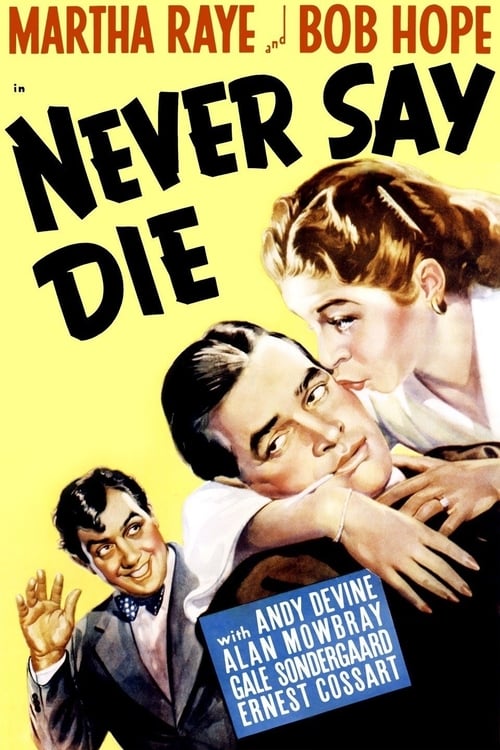
Never Say Die
1939
No user ratings available yet
Representation score: 1.8 out of 10
Representation Score
Limited
1936
NRDirector
William A. Seiter
Runtime
80 minutes
Average Rating
No ratings yetNew Showbiz Analysis
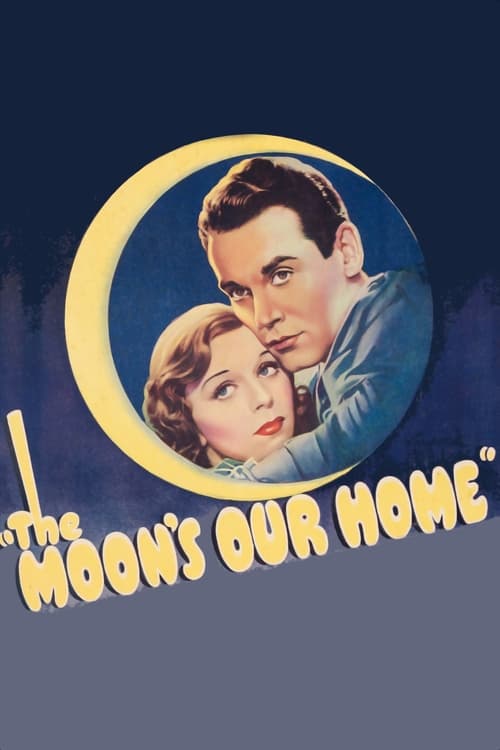
The Moon's Our Home is a product of the 1930s studio system, functioning as a conventional romantic comedy. It prioritizes escapist entertainment and traditional social structures over any meaningful disruption of hierarchies. The film relies heavily on established clichés, such as the 'war of the sexes,' which typically reinforce rather than challenge gendered expectations. The lack of diverse casting or non-straight-centered themes keeps the narrative within a very narrow demographic scope. Ultimately, the film serves to validate the nuclear family and romantic stability. It lacks the multi-layered complexity or social critique necessary to move beyond the era's standard demographic norms.
Category Breakdown
The film does not include any LGBTQ+ characters or narratives that go beyond the assumption that everyone is straight or cisgender. The plot focuses on a traditional marriage, following a standard structure that assumes everyone is straight and cisgender.
The story uses a 'war of the sexes' cliché to create comedy. This likely relies on established gender roles and traditional courtship dynamics rather than challenging them.
The production reflects the demographic homogeneity typical of 1930s cinema. There is no evidence of a diverse cast or actors playing roles outside their traditional backgrounds.
The narrative prioritizes traditional romantic ideals and the sanctity of marriage. It aligns with mid-century values emphasizing social cohesion and romantic stability.
There is no mention of characters with visible or invisible disabilities in the narrative.
Present on Screen
Limited or Absent
Official Synopsis
A writer and an actress meet and marry without really knowing each other--they are even unaware that both bride and groom are equally famous. During the honeymoon, all hell breaks loose as a comedic war of the sexes leads inevitably to love.
1939
1937
1937
1944
1941

1934
1934
1940
No reviews yet. Be the first to share your thoughts on this movie!
Use the rating form above to leave a star rating and optional review.