Battling Butler
1926
No user ratings available yet
Representation score: 2.3 out of 10
Representation Score
Limited
1926
PassedDirector
Frank Capra
Runtime
75 minutes
Average Rating
No ratings yetNew Showbiz Analysis
Frank Capra's early work here is rooted in slapstick traditions. The film functions as a period-specific artifact, relying on established clichés of physical comedy and romantic pursuit. The narrative lacks complexity, reflecting the demographic and social constraints of 1926 cinema. It prioritizes individual romantic fulfillment over disrupting social hierarchies. The film maintains the standard casting patterns and gender hierarchies typical of early 20th-century silent comedies.
Category Breakdown
The film follows a conventional heterosexual romance. There is no indication of queer subtext or non-straight identities.
Gender roles follow the hierarchy of the 1920s. The female lead serves as a romantic catalyst, while the male protagonist transitions from meekness to strength.
The cast reflects the demographic homogeneity of the silent era. The story centers on Belgian and American characters without significant non-white or non-Anglo-Saxon presence.
The narrative adheres to 1920s social norms. It focuses on personal triumph and romantic resolution without critiquing Western institutions.
The protagonist's meekness is used as a comedic underdog cliché. There is no nuanced exploration of neurodivergence or physical disability.
Present on Screen
Limited or Absent
Official Synopsis
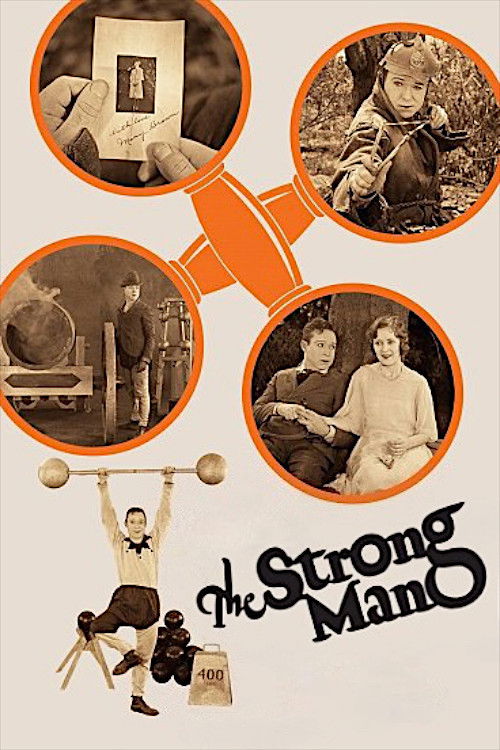
A meek Belgian soldier (Harry Langdon) fighting in World War I receives penpal letters and a photo from "Mary Brown", an American girl he has never met. He becomes infatuated with her by long distance. After the war, the young Belgian journeys to America as assistant to a theatrical "strong man", Zandow the Great (Arthur Thalasso). While in America, he searches for Mary Brown... and he finds her, just as word comes that Zandow is incapacitated and the little nebbish must go on stage in his place.
1926
1928
1928

1928
1931

1952

1924
1934
No reviews yet. Be the first to share your thoughts on this movie!
Use the rating form above to leave a star rating and optional review.