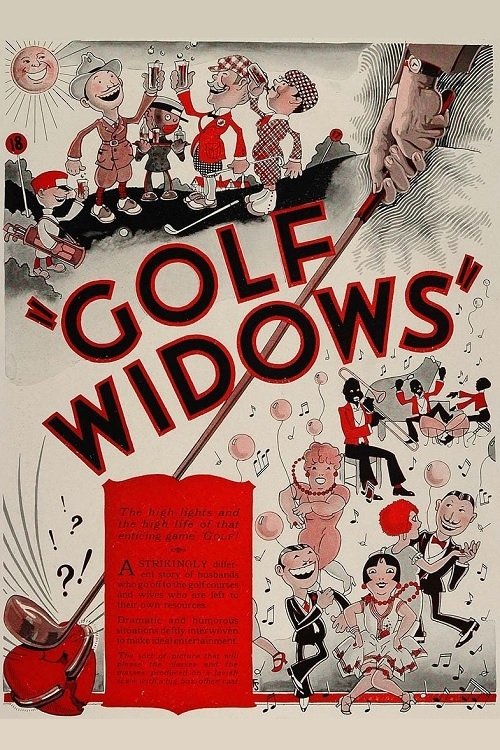
Golf Widows
1928
No user ratings available yet
Representation score: 2.4 out of 10
Representation Score
Minimal
1927
Not RatedDirector
Edward Sedgwick
Runtime
78 minutes
Average Rating
No ratings yetNew Showbiz Analysis
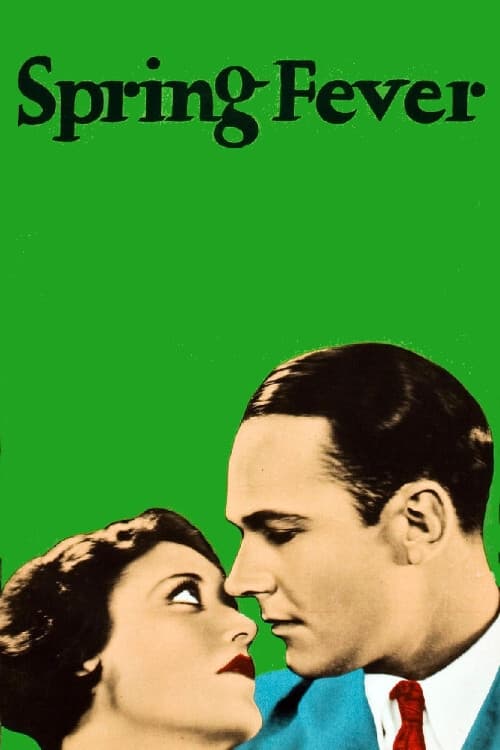
Spring Fever is a conventional silent-era romantic comedy that centers on socioeconomic interactions within an exclusive country club. The plot follows a standard employer-employee dynamic, with Kelly assisting Waters in improving his golf game. The film adheres to the traditional social hierarchies and romantic clichés prevalent in 1920s Hollywood. It lacks evidence of diverse representation or any disruption of established cultural norms. Because the narrative focuses on class-based social dynamics and leisure, it functions as a reflection of the era's social constraints rather than a progressive work.
Category Breakdown
The film follows typical 1920s romantic comedy structures. There is no evidence of LGBTQ+ identities or critiques of straight relationships.
The narrative likely relies on traditional romantic archetypes common to the era. There is no indication of women driving the plot through intellectual or physical strength.
The exclusive country club setting historically implies a homogeneous social environment. The film lacks evidence of diverse character roles or racial integration.
The story focuses on leisure and employer-employee relations. This reinforces established Western social structures and class distinctions rather than challenging them.
There is no information available regarding the portrayal of physical or neurodivergent characters.
Present on Screen
Limited or Absent
Official Synopsis
Kelly's employer, Waters, is such a keen golfer that he asks Kelly to help him improve his game at an exclusive country club.
1928
1927
1938
1934

1927
1932
1936
1926
No reviews yet. Be the first to share your thoughts on this movie!
Use the rating form above to leave a star rating and optional review.