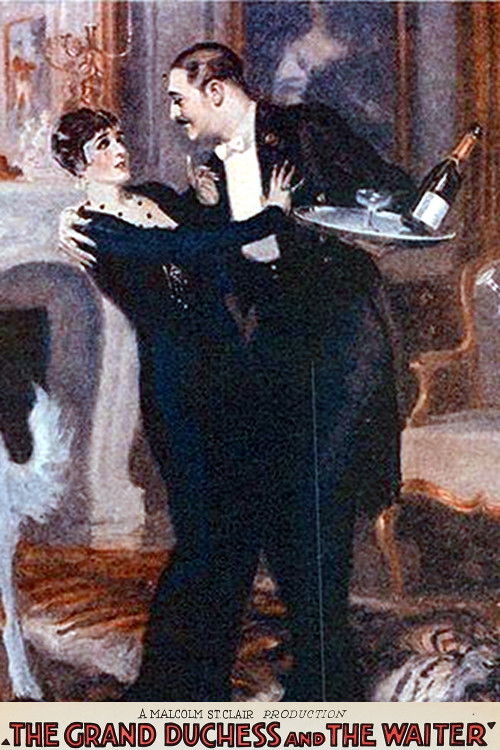
The Grand Duchess and the Waiter
1926
No user ratings available yet
Representation score: 3.1 out of 10
Representation Score
Limited
1926
PassedDirector
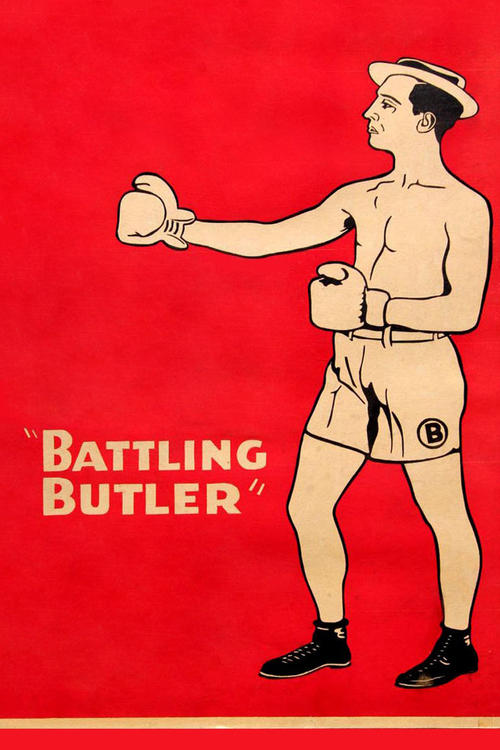
Buster Keaton
Runtime
77 minutes
Average Rating
No ratings yetNew Showbiz Analysis
Battling Butler is a period piece that prioritizes the technical mastery of physical comedy over social critique. The narrative structure is centered around situational slapstick rather than identity politics or disrupting systemic norms. The film reflects the demographic and social constraints of 1926. It presents a traditionalist view of class and gender roles, focusing on the mechanics of movement and absurdity rather than diverse representation.
Category Breakdown
The film does not include any LGBTQ+ characters or non-cisgender identities. The romantic storyline follows a conventional pursuit of a female interest typical of the 1920s.
Gender roles adhere to traditional hierarchies, with the female lead serving mainly as a romantic catalyst. The protagonist's physical ineptitude is used for comedic effect rather than challenging authority.
The cast is homogeneous, reflecting the era's lack of visible diversity. There is no evidence of racial blending or diverse casting within the production.
The film depicts a high-society environment reinforcing existing social structures. It functions as a standard comedy of manners without offering critiques of Western institutions.
Physical clumsiness is used as a comedic device through slapstick mishaps. However, these moments are situational gags rather than an exploration of lived disability experiences.
Present on Screen
Limited or Absent
Official Synopsis
A meek millionaire masquerades as a boxing star to win a girl's heart.
1926
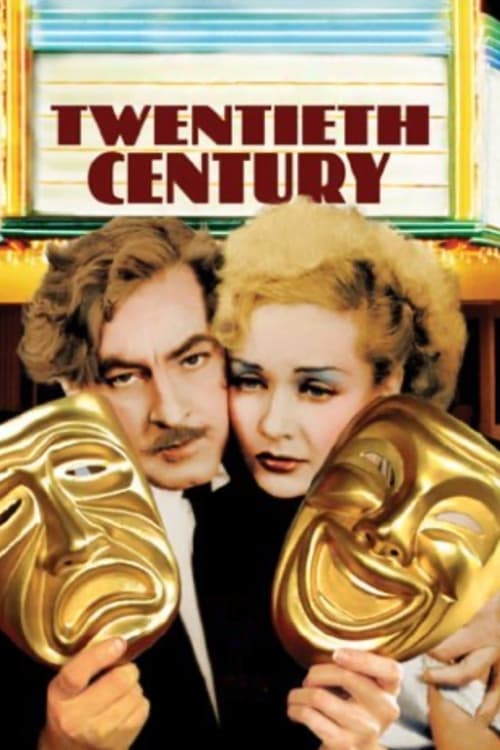
1934
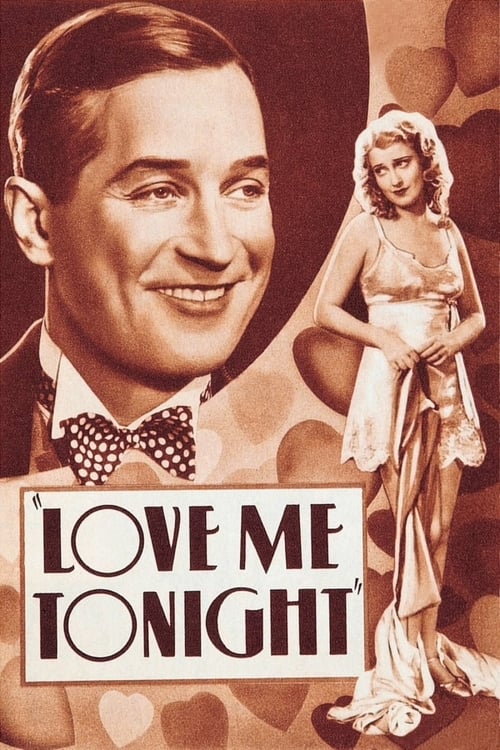
1932

1928

1926

1923
1926
1928
No reviews yet. Be the first to share your thoughts on this movie!
Use the rating form above to leave a star rating and optional review.