Sunnyside
1919
No user ratings available yet
Representation score: 3.3 out of 10
Representation Score
Minimal
1916
TV-GDirector
Charlie Chaplin
Runtime
24 minutes
Average Rating
No ratings yetNew Showbiz Analysis
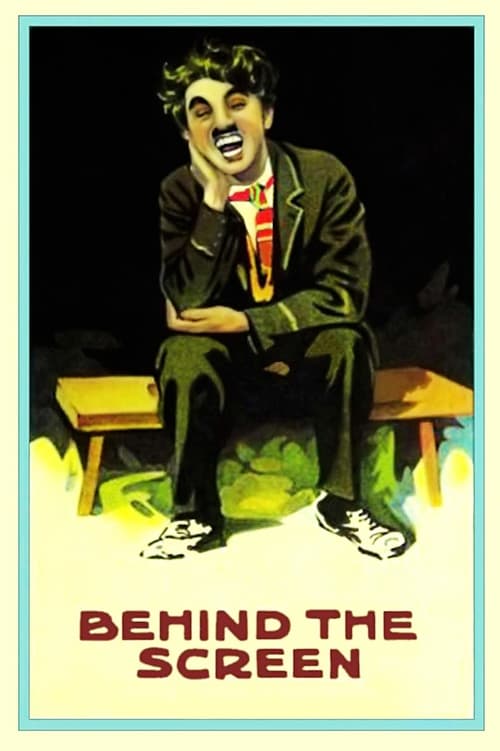
Charlie Chaplin's 1916 short is a meta-cinematic exercise that prioritizes the mechanics of film production over social representation. It deconstructs the cinematic illusion by breaking the fourth wall, offering a foundational look at studio labor and industry chaos. However, the film operates within a very traditional framework. It lacks complexity in identity, featuring a homogeneous cast and adhering to the era's standard gender and racial archetypes. The focus remains on slapstick and the artifice of the medium rather than identity politics. Ultimately, the work's value is found in its technical self-reflexivity rather than its diversity. It provides a window into early studio dynamics but offers little in the way of inclusive representation.
Category Breakdown
The film does not include any LGBTQ+ characters or non-cisgender identities. The romantic tension is centered around a traditional relationship between a male projectionist and a female aspiring actress.
The film relies on conventional gender roles. While the female lead takes initiative in seeking work, she mainly serves as a catalyst for the male protagonist's comedic misfortunes.
The cast is predominantly white, reflecting the Anglo-centric casting practices of the early 20th century. There is no evidence of racial diversity or intentional disruption of Western norms.
The film subtly critiques institutional stability through workplace chaos. It functions more as a comedic disruption of order than a systemic political statement.
There are no visible or invisible disabilities portrayed. The physical comedy focuses on slapstick movement rather than representing neurodivergence or physical impairment.
Present on Screen
Limited or Absent
Official Synopsis
During the troubled shooting of several movies, David, the prop man's assistant, meets an aspiring actress who tries to find work in the studio. Things get messy when the stagehands decide to go on strike.
1919

1928
1947
1928
1919
1934
1920
1933
No reviews yet. Be the first to share your thoughts on this movie!
Use the rating form above to leave a star rating and optional review.