
The Traitor
1957
No user ratings available yet
Diversity score: 3.4 out of 10
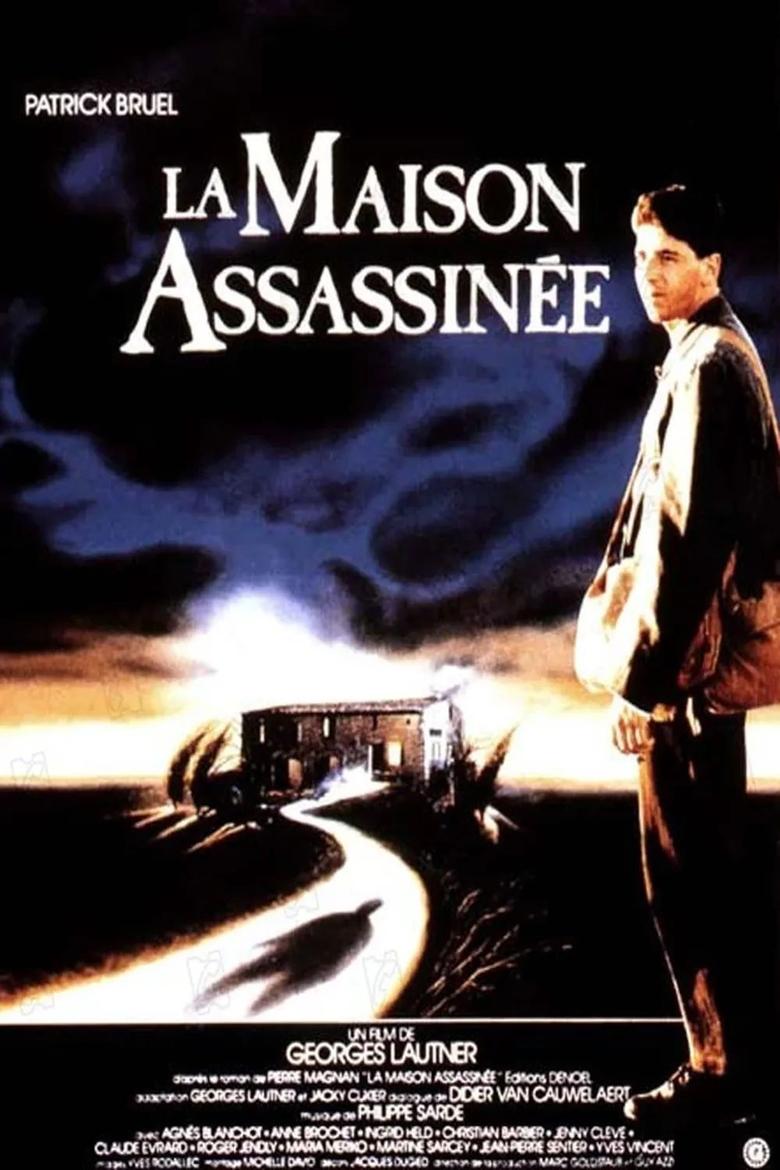
1988
Director
Georges Lautner
Runtime
110 minutes
Average Rating
No ratings yetSynopsis
After World War I, a young ex-soldier, Sébastien Monge, returns to his home village. Ignorant of his past, he learns that, 24 years before, his entire family was slain in their home one stormy night. Only Sébastien, then a four-month old baby, was spared. Whilst Sébastien is being seduced by Charmaine, Dupin is killed by someone else. Sébastien’s next victim, the miller Didon Pujol, is also murdered before he has a chance to take his revenge. Sébastien realises that someone is watching his every move and is going to extraordinary lengths to protect him. But who, and why..?
Overall Score
Limited
Category Breakdown
LGBTQ+ Representation
The film focuses on a mystery surrounding a familial massacre and subsequent murders. There is no evidence of non-cisnormative identities or narratives that critique heteronormativity.
Gender Representation
Female characters like Charmaine appear to serve as catalysts for the male protagonist's journey. The narrative follows a traditional framework without subverting gender hierarchies.
Racial & Ethnic Diversity
Set in a post-WWI French village, the setting implies a historically homogeneous European environment. The story lacks a multi-ethnic cast or diverse social representation.
Religious & Cultural Diversity
The themes center on individual trauma, family tragedy, and vengeance. There is no indication of narratives that critique systemic institutions or promote moral relativism.
Disability Representation
The narrative provides no information regarding characters with visible or invisible disabilities. No neurodivergence or physical impairments are central to the character arcs.
Strengths
Areas for Improvement
AI Analysis
The Murdered House operates within the conventional tropes of mid-to-late 20th-century European mystery cinema. The plot prioritizes individualistic struggle and historical trauma over the exploration of diverse social identities. While the film presents a compelling mystery regarding a survivor of a massacre, it lacks intentionality in disrupting established social hierarchies. The creative pedigree suggests a focus on mainstream entertainment rather than intersectional representation. Ultimately, the film reflects the social constraints of its post-WWI setting, resulting in a narrative that is culturally and demographically homogeneous.
1957

1984
1959
1984

1948

2008

1965
1999
1921
2014
1943
1976
No reviews yet. Be the first to share your thoughts on this movie!
Use the rating form above to leave a star rating and optional review.