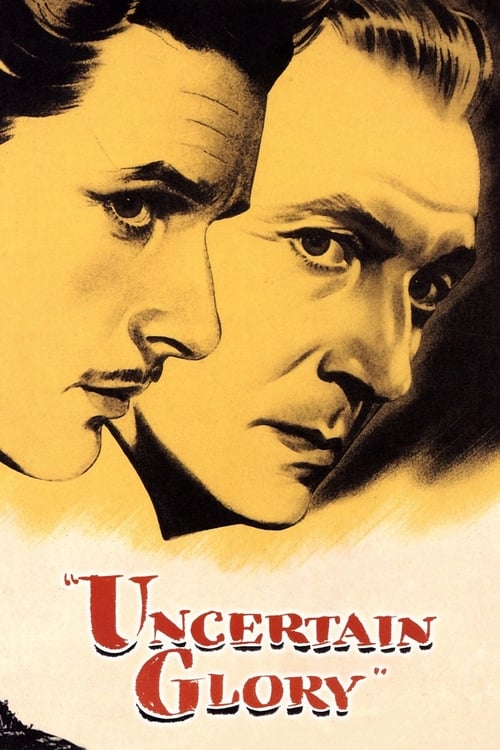
Uncertain Glory
1944
No user ratings available yet
Representation score: 1.5 out of 10
Representation Score
Minimal
1944
ApprovedDirector
Julien Duvivier
Runtime
92 minutes
Average Rating
No ratings yetNew Showbiz Analysis
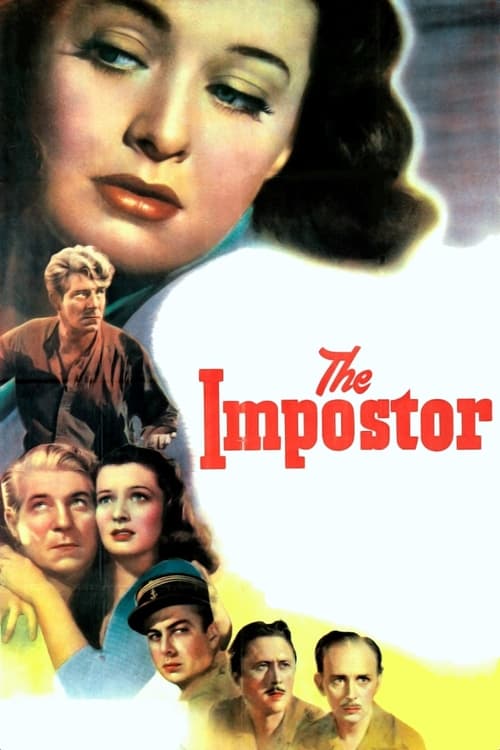
The Impostor is a character-driven psychological thriller centered on a single male protagonist's internal struggle. While it offers a sophisticated look at identity and redemption, the narrative remains deeply rooted in the traditional social hierarchies of 1940s Europe. The film lacks complexity in representing various identities, focusing instead on a narrow, masculine trajectory of crime and combat. This focus results in a lack of demographic breadth and representation across most categories. Ultimately, the work functions as a standard study of individual morality within a conventional wartime framework, prioritizing a singular perspective over a diverse cast.
Category Breakdown
The film focuses almost exclusively on the masculine experience of survival. It does not depict non-binary gender identities or same-sex relationships, sticking to the assumption that everyone is straight or cisgender.
The male protagonist's journey from criminal to soldier holds the majority of the ability to act. Women appear as supporting characters rather than driving the plot or holding significant power.
The cast and character dynamics are overwhelmingly homogeneous. Set in wartime France, the film depicts a predominantly white social environment with no characters of color in prominent roles.
The story explores moral ambiguity and the fluidity of identity through a criminal's redemption. However, the resolution reinforces traditional patriotic ideals and national service rather than challenging institutional norms.
There is no documented evidence regarding the portrayal of physical or neurodivergent disabilities within the narrative.
Present on Screen
Limited or Absent
Official Synopsis
A condemned murderer named Clement is "liberated" when the Nazis bomb the French jail that holds him. During his escape, Clement comes across the body of a French soldier; he steals the dead man's uniform and identification papers, then hides from the law by joining the Resistance movement. Clement's new identity and purpose in life reforms him, and in due time he has sacrificed himself in service of his country.
1944
1959
1963

1969
1949
1943
1943

1943
No reviews yet. Be the first to share your thoughts on this movie!
Use the rating form above to leave a star rating and optional review.