
Far from the Motherland
1960
No user ratings available yet
Representation score: 3.2 out of 10
Representation Score
Minimal
2001
Director
Mikhail Ptashuk
Runtime
109 minutes
Average Rating
No ratings yetNew Showbiz Analysis
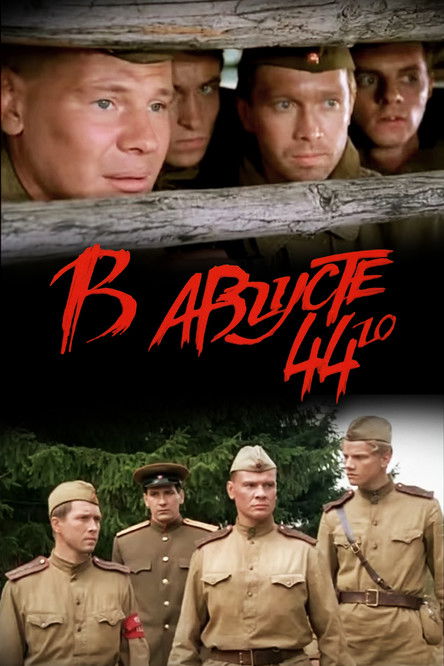
In August of 1944 is a traditional historical drama that prioritizes period accuracy and the conventions of wartime heroism. The film reinforces established social and military hierarchies rather than challenging them. The narrative structure is built around themes of collective duty and national survival. It functions as a specialized reconstruction of the Eastern Front, emphasizing the strength of the state and the sanctity of military institutions. Operating within a framework of traditionalism, the film lacks progressive narrative elements. It serves as a benchmark for historical storytelling that adheres to the demographic and social realities of the 1944 Soviet context.
Category Breakdown
The film does not include any representation of LGBTQ+ identities or non-cisgender gender expressions. The social environment is strictly traditional, focusing on the assumption that everyone is straight or cisgender.
Women are shown with resilience in domestic and civilian roles, though their roles align with historical home-front expectations. Masculinity is portrayed through military service and professional competence within the counter-intelligence unit.
The cast is primarily Slavic, reflecting the historical accuracy of the 1944 Eastern Front setting. It adheres to the specific ethnic and geopolitical demographics of the time rather than modern diverse casting.
The narrative emphasizes state loyalty and the preservation of military institutions. It highlights patriotism and the importance of the military hierarchy during a period of existential threat.
There is no significant depiction of characters with visible or invisible disabilities. The narrative focus remains on the physical and psychological pressures of combat and espionage.
Present on Screen
Limited or Absent
Official Synopsis
The movie is set in Belarus, where a team of counter-intelligence officers is given only three days to find a German radio operator posing as a Soviet soldier, behind soviet lines, on the eve of a major offensive.
1960
2014
1950
1981

2012
2006

1983
2016
No reviews yet. Be the first to share your thoughts on this movie!
Use the rating form above to leave a star rating and optional review.