Baby It's You
1983
No user ratings available yet
Representation score: 5.2 out of 10
Representation Score
Fair
1986
Director
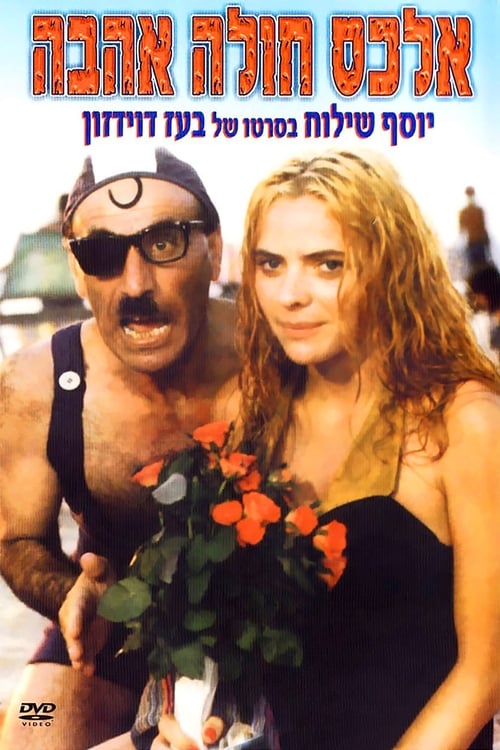
Boaz Davidson
Runtime
88 minutes
Average Rating
No ratings yetNew Showbiz Analysis
Alex Is Lovesick provides a detailed look at cultural dynamics that avoid a sanitized version of history. Its strength lies in focusing on the lived experiences of immigrants rather than traditional national myths. The film excels in showcasing a complex, multi-ethnic society through its rich dialogue and diverse linguistic influences. However, it falls short in representing LGBTQ+ identities and disability, focusing instead on adolescent heterosexual development and traditional gender roles.
Category Breakdown
The film focuses on the emotional journey of adolescents during puberty. It doesn't explicitly address LGBTQ+ identities or non-traditional gender roles, but it does explore the feelings of a young person who feels left out.
The film includes traditional gender roles such as the 'Polish Mother' archetype and portrays adolescent boys as chaotic hustlers. This approach avoids idealizing masculinity and instead offers a more realistic, everyday view of gender roles.
The story captures a diverse mix of ethnicities through various languages and slang. The inclusion of Polish, Russian, and Farsi phrases reflects the complex ethnic makeup of early Israeli society.
The narrative emphasizes the experiences of immigrants and street-level subcultures rather than official state history. The use of American music highlights the tension between local identity and Western cultural influences.
The film does not depict any characters with physical or neurological differences.
Present on Screen
Limited or Absent
Official Synopsis
One of the milestones of Israeli cinema. It displays the atmosphere of the late 50s in Israel from the viewpoint of young boy Alex, who is just turning 13. His mom is the classic "Polish Mother", his school friends are young hustlers dreaming of nude girls, his schoolmaster is a nervous Russian immigrant. The street speech is full of Polish, Russian, and Farsi slang, full of the small talk that had later entered everyday speech. The soundtrack consists solely from the American music of the period.
1983
1978
2005
1965

1981
1988
1985
1997
No reviews yet. Be the first to share your thoughts on this movie!
Use the rating form above to leave a star rating and optional review.