Goodbye, Columbus
1969
No user ratings available yet
Representation score: 3.9 out of 10
Representation Score
Limited
1946
PassedDirector
A. Edward Sutherland
Runtime
96 minutes
Average Rating
No ratings yetNew Showbiz Analysis
Abie's Irish Rose stands out for its era by focusing on the cultural clash between Jewish and Irish-Catholic communities. This ethnic complexity was rare in 1940s studio films. However, the film adheres to the social norms of its time, lacking LGBTQ+ representation and confining female roles to domestic settings. Gender roles are strictly defined by mid-century standards. Overall, the film explores religious and ethnic intersectionality while maintaining a conventional social framework.
Category Breakdown
The film does not include any LGBTQ+ identities or same-sex intimacy. It follows traditional gender norms without depicting non-cisgender identities.
Gender roles in the film follow mid-20th century norms, where men lead social confrontations. Rose's role is primarily domestic and marital, with limited influence outside these spheres.
The film offers a nuanced look at the intersection of Jewish and Irish-Catholic identities, which was uncommon in similar productions of the time.
Religious traditions play a comedic role in interpersonal conflicts. The film treats institutions humorously without critiquing them as systemic oppressors.
The film does not depict any physical, sensory, or neurodivergent identities.
Present on Screen
Limited or Absent
Official Synopsis
Cultures clash when a Jewish boy wants to marry an Irish girl.
1969
1942
1939
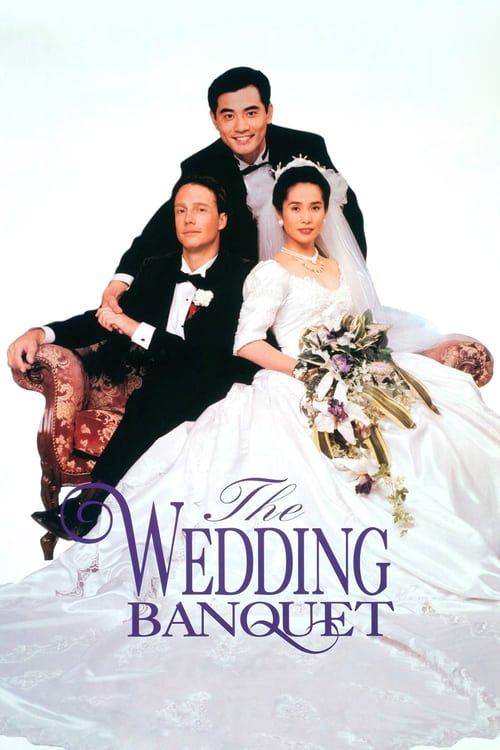
1993
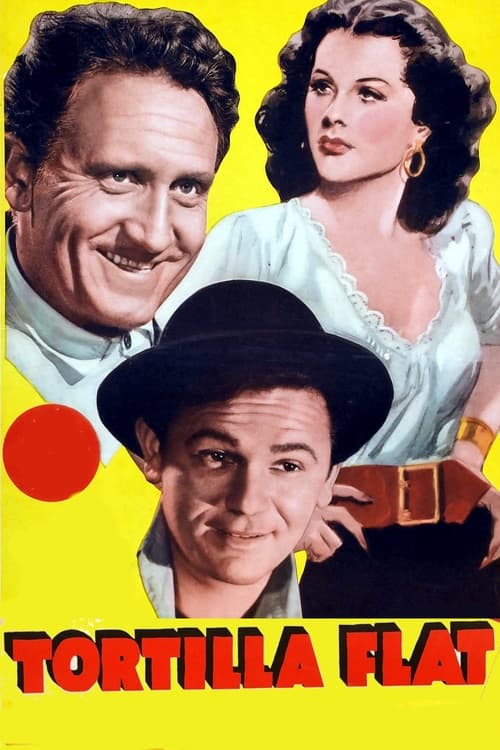
1942
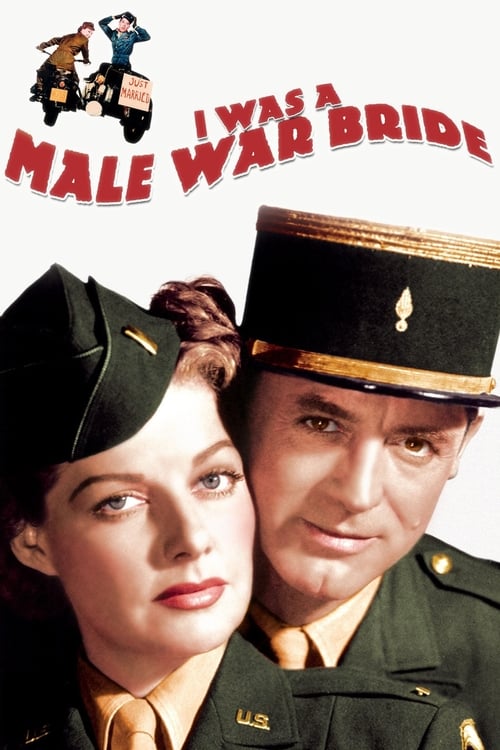
1949
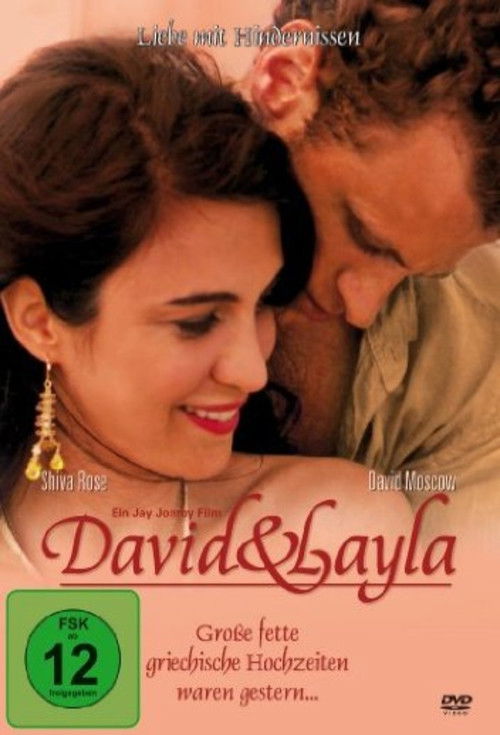
2005
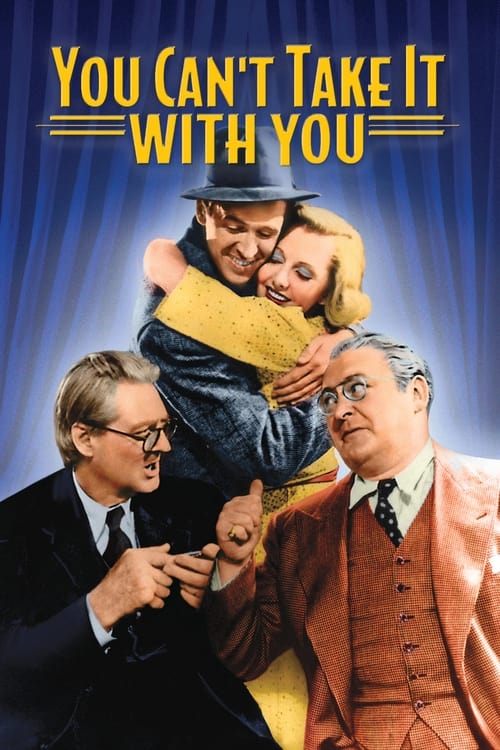
1938
No reviews yet. Be the first to share your thoughts on this movie!
Use the rating form above to leave a star rating and optional review.