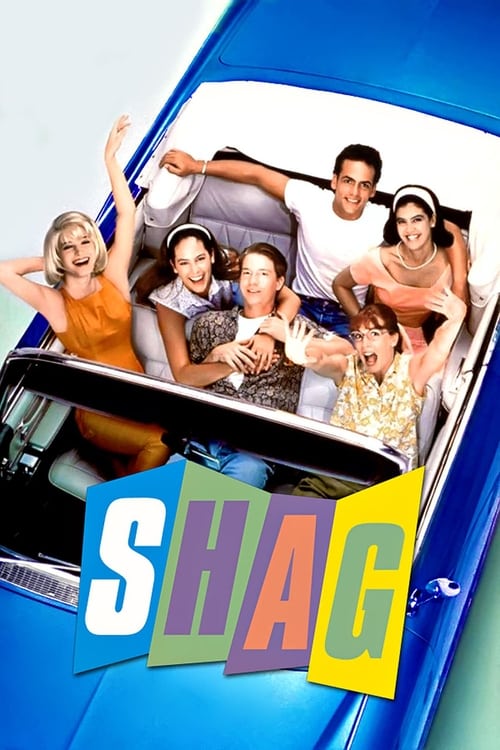
Shag
1989
No user ratings available yet
Representation score: 3.8 out of 10

Representation Score
Fair
1983
RDirector
John Sayles
Runtime
105 minutes
Average Rating
No ratings yetNew Showbiz Analysis
John Sayles delivers a character-centric period piece that prioritizes individual autonomy over systemic critique. The film succeeds in challenging traditional gender roles by centering a female protagonist's internal growth and sexual awakening. However, the narrative remains limited by its lack of multi-layered breadth. The focus on a specific white, middle-class demographic results in a homogeneous social milieu that lacks racial and LGBTQ+ diversity. Ultimately, the film is a socially observant coming-of-age study. It excels at exploring gendered experiences but fails to represent broader human complexities regarding disability or diverse identities.
Category Breakdown
The story focuses on heterosexual relationships typical of its mid-century setting. There is no evidence of queer subtext or non-cisgender identities within the central character arcs.
The film centers on a female character's ability to drive the story and sexual awakening. It challenges traditional gender roles by allowing the female protagonist to drive her own emotional development and personal desires.
The cast is primarily white and middle-class. While the character Sheik may imply socioeconomic or ethnic differences, the broader narrative lacks significant racial diversity.
The film uses a realist lens to examine social expectations and personal autonomy. It functions as a character-driven study rather than a systemic critique of Western institutions.
There is no discernible focus on physical, sensory, or neurodivergent disabilities. Characters with disabilities are not utilized as central figures or significant plot drivers.
Present on Screen
Limited or Absent
Official Synopsis
In a 1966 New Jersey high school, Jill and new student Sheik from the other side of the tracks make their way in a first love romance.
1989

1999
1985
1986

1995
1999
1992

1990
No reviews yet. Be the first to share your thoughts on this movie!
Use the rating form above to leave a star rating and optional review.