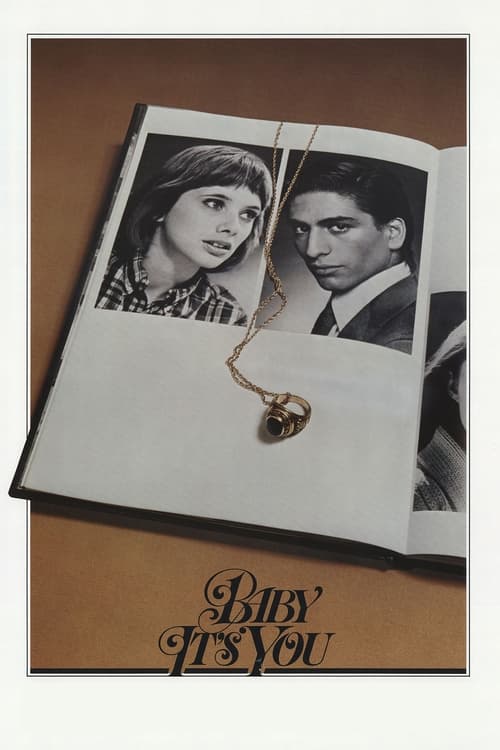
Baby It's You
1983
No user ratings available yet
Representation score: 5.2 out of 10

Representation Score
Limited
1989
PGDirector
Zelda Barron
Runtime
98 minutes
Average Rating
No ratings yetNew Showbiz Analysis
Shag stands out as a character-driven film that centers female perspectives, providing a meaningful look at female autonomy during a period of social change. By focusing on a group of women navigating their own lives, the film avoids the male-dominated perspective typical of 1980s cinema. However, the film's impact is limited by its narrow focus on a traditional demographic, with a predominantly white cast and conventional social structures. While it elevates female empowerment, it does not offer a broader systemic critique or diverse representation. Ultimately, the film excels in highlighting women's ability to drive the story but operates within a confined social context.
Category Breakdown
The film follows a traditional romantic storyline focused on an upcoming marriage. There is no depiction of non-straight or non-cisgender identities or same-sex relationships.
The story challenges traditional gender roles by emphasizing female empowerment and interpersonal relationships. It highlights female friendships and independence over male romantic interests.
The film features a predominantly white cast, reflecting the specific social environment of the small town portrayed.
The narrative focuses on personal freedom and individual experiences. However, it does not address broader societal or religious constraints of the time.
There is no mention of characters with physical or neurodevelopmental disabilities in the film.
Present on Screen
Limited or Absent
Official Synopsis
Summer of 1963. Carson is getting married to her boyfriend so her friends Melaina, Pudge and Luanne take her to Myrtle Beach for one last irresponsible weekend.
1983
1999

2005
1980

1984

1986
1988
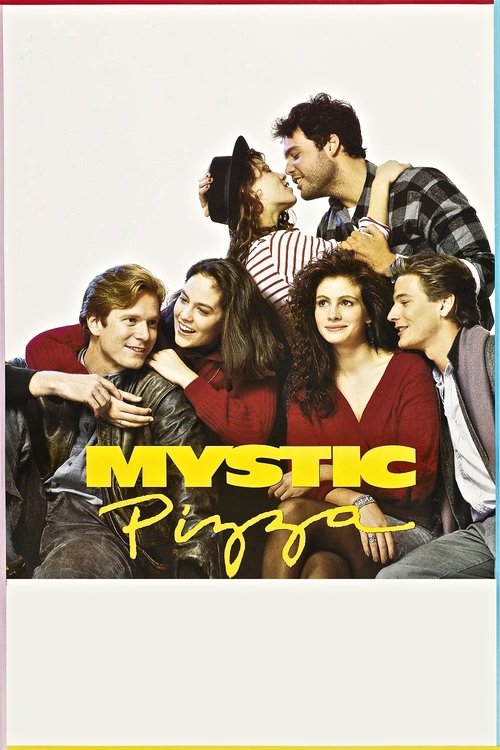
1988
No reviews yet. Be the first to share your thoughts on this movie!
Use the rating form above to leave a star rating and optional review.